Biosolids
Safeguard Your Health: What the Public Needs to Know
Would you knowingly eat food, drink water or breathe air that contains toxic chemicals and microplastics linked to cancer that are contained in sewage sludge from Victoria, BC’s wastewater treatment plant?
Right now, forever chemicals, which true to their name last nearly forever in our environment, such as PFAS, and microplastics as well as PAHs, lead, mercury, dioxins, and pharmaceuticals are making their way into our air, water and soil through the bio-accumulation of tons of these toxic chemicals that remain in the sludge after the waste water from our homes, industry, businesses and health care facilities is processed.
Since 2022, the CRD plan was to use these dried biosolids as an alternative to fossil fuels in a cement plant, which is in keeping with a ban on the land application of biosolids the CRD Board passed in 2011. Instead, every day, 10 tons of toxic sludge, also known as “biosolids,” has been spread or buried at Victoria’s Hartland Landfill, where wind and rain erosion disperses these forever chemicals into the neighbouring farms, fields, forests and watersheds.
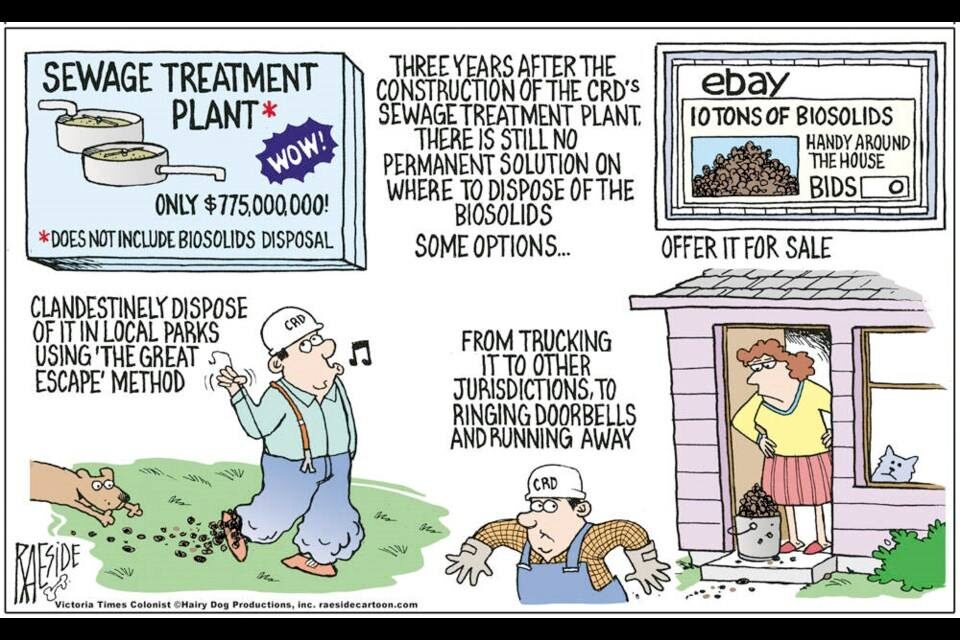 There is a strong triple bottom line business case for thermal conversion which the CRD needs to employ as it:
- creates a non-toxic biochar which is the desired end product as a result of thermally converting toxic biosolids into inert biochar – a new green industry;
- it’s a carbon free fuel source, not incineration, no pollution, low carbon footprint;
- a plant could be up and running within two years if treated as the emergency this is;
- thermal conversion can stop landfill expansion and convert ALL waste, not just biosolids, into fossil fuel free energy and save our waters, soil, trees, fish, our health and the beauty of the region and why so many people chose to live and visit here.
Solutions Exist! Learn More Here:
Frequently Asked Questions About Biosolids
Biosolid Free BC on Facebook
Butchart Gardens
Mount Work Coalition
Raincoast Conservation Foundation
Sierra Club
Take action by letting the CRD know you oppose the land application of biosolids by emailing: crdboard@crd.bc.ca
More About Biosolids
Collaboration Results in Community Win
Working collaboratively with members of the Peninsula Biosolids Coalition, Creatively United is happy to report that our collective efforts (see our biosolids video) have finally resulted in a big win for our region. The Capital Regional District (CRD) has just…

Request Your Participation in Supporting CRD Biochar Incinerator Facility
We are requesting your support to encourage the (CRD) Capital Regional District, to move ahead with plans for purchase of a thermal conversion biochar facility. It would be incredibly useful to have Nanaimo and the Regional District of Nanaimo (RDN) send letters of…
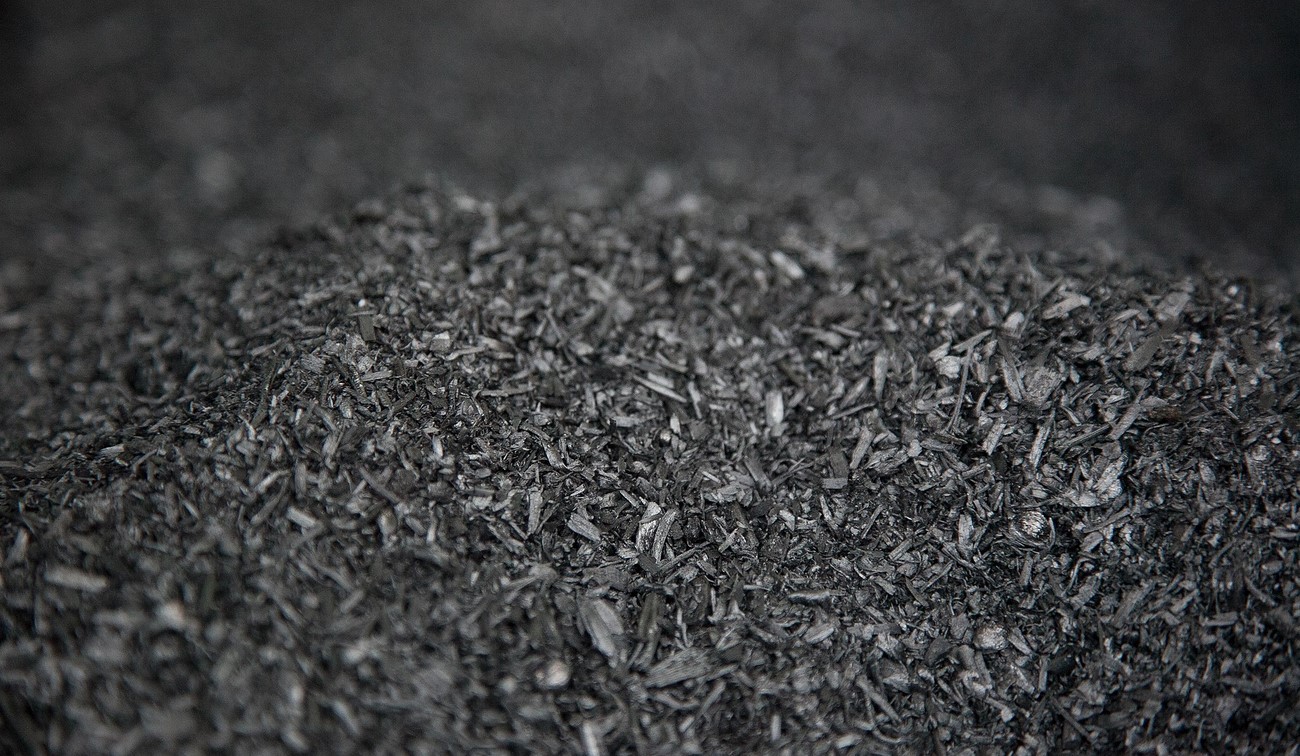
Biosolids Update and Important Time Sensitive Survey
Thanks to the efforts of the Peninsula Biosolids Coalition, a non-profit citizen’s group, plus numerous individuals, businesses and other proponents for integrated resource management (including Creatively United for the Planet Society), the CRD is now…
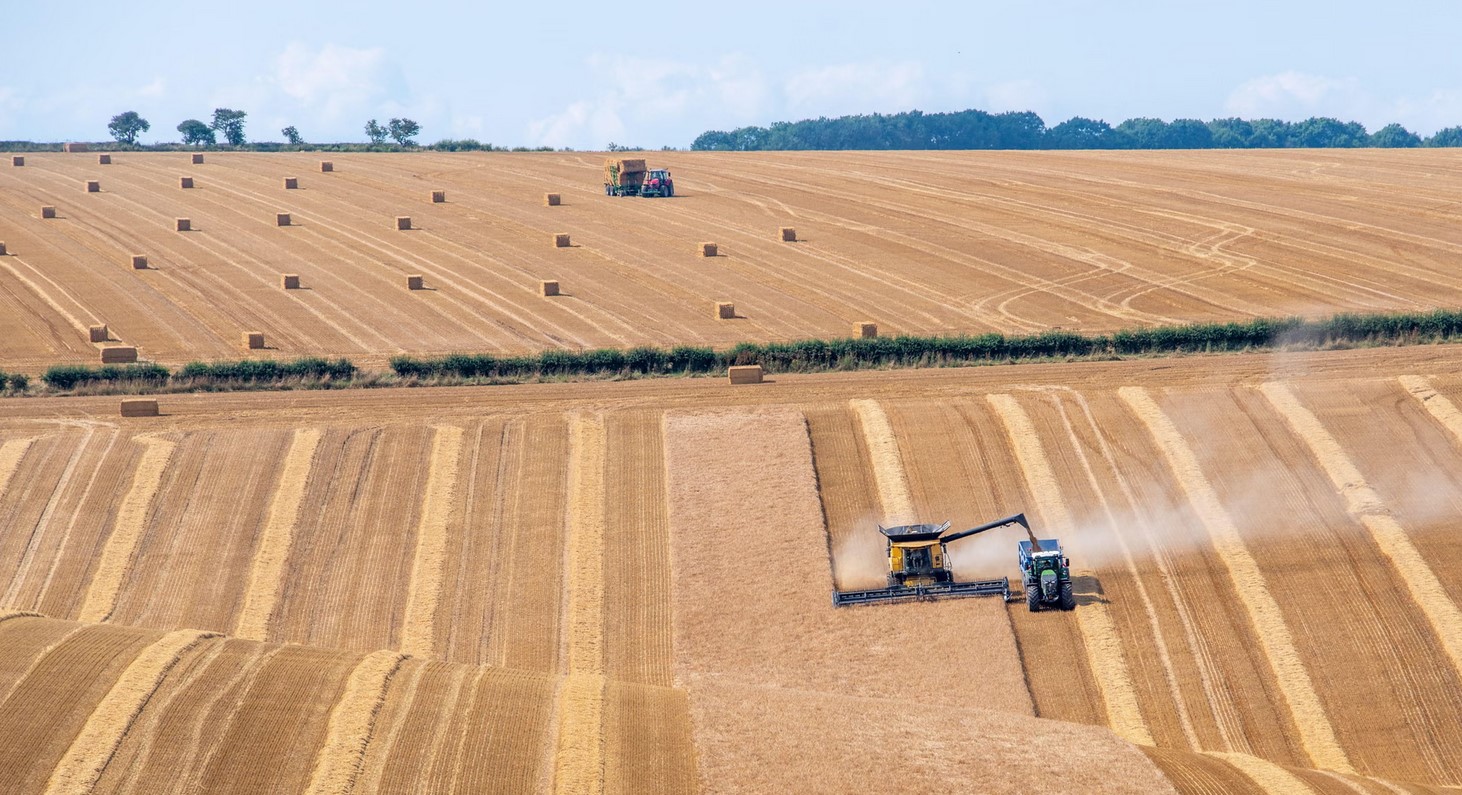
Biochar From Human Waste Could Solve Global Fertiliser Shortages, Study Finds
Charcoal made from human waste could help solve fertiliser shortages as well as reduce pollution and energy use, a study has found. Biochar is a form of charcoal made from organic matter treated at high heat…
New Jersey Says 3 Chemical Makers Agree to ‘Forever Chemical’ Settlement Worth Up To $2B
DuPont and two other companies will pay New Jersey up to $2 billion to settle environmental claims stemming from PFAS, commonly referred to as “forever chemicals,” the companies announced…
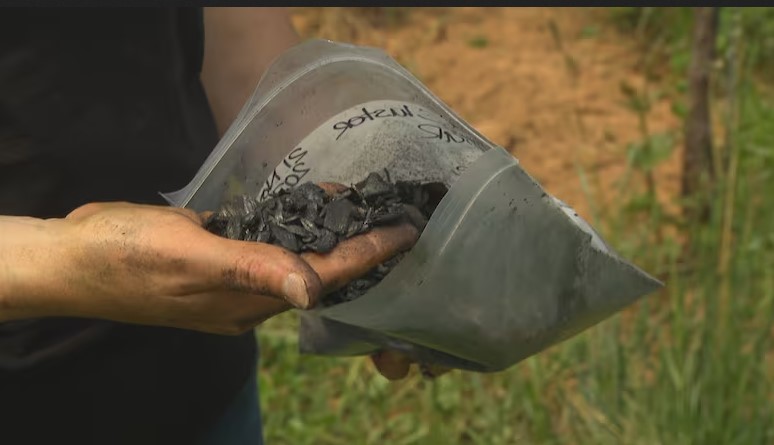
Can Charred Wood Help Nova Scotia Farmers — and the Climate?
In a rolling field in the Annapolis Valley, the soil in one row of grapevines is littered with charred fragments of wood. Those unassuming bits of charred material don’t look like much, but the charcoal-like substance…
Further Reading
The PFAS trap: Why slow public disclosure is now a multi-million-dollar liability
Lawsuit shows province’s hypocrisy on biosolids in CRD – Vic News
Legal action could end use of toxic sewage sludge on US crops as fertilizer – The Guardian
3M to pay at least $10.3B to settle ‘forever chemical’ drinking water lawsuits in U.S. – CBC News
Sludge compost is an increasing source of microplastics, researchers say – Los Angeles Times
Proposed PFAS National Primary Drinking Water Regulation – EPA
EPA sets ‘groundbreaking’ limits on toxic ‘forever chemicals’ in drinking water – The Guardian
Texas farmers claim company sold them PFAS-contaminated sludge that killed livestock – The Guardian
Academic Studies
Clinical Implications of New Drinking Water Regulation for “Forever Chemicals”, 2024
George Heyman SCBC Letter, CRD Env Comm, 2011
IOPA Biosolids letter, 02-10-20
Maine passes first PFAS biosolids ban, taking stand against forever chemicals, 2022
Maler, An Overview of the Dangers of Sewer Sludge (Biosolids)
Sajjad et al, Microplastics in the soil environment- A critical review, 2022
Tom Maler technical analysis – sewage sludge contamination
UVic Environmental Law Society Biosolids Update for CRD, 10-30-13