Article, Food & Health, Nature & Conservation
Something extraordinary happened in mid-September: 231 medical journals around the world all published the same editorial, titled “Call for emergency action to limit global temperature increases, restore biodiversity, and protect health.” Led by a group of chief editors from world-leading journals…
Read more

Article, Arts, Community, & Inclusivity
It has been a pretty dispiriting election all round. It was called in the midst of a pandemic for no better reason than that the Liberals want to hang on to power. The campaign has been lacklustre, the debates uninspiring and badly organised and, at the end of it all, it seems to me we may well be right back where we started: a minority government.
Read more
Article, Arts, Community, & Inclusivity, Nature & Conservation
Last week, I noted that none of the main parties — those likely to form the next government — have yet recognized and accepted the scale of the global ecological crises we face, to which Canada contributes disproportionately. Nor have they recognized the implications for Canadians and the rest of humanity, including the threat these crises pose to our human rights.
Read more
Article, Arts, Community, & Inclusivity
In a December 2020 speech at Columbia University, the UN secretary general said: “The state of the planet is broken. Humanity is waging war on nature. This is suicidal,” adding: “Making peace with nature is the defining task of the 21st century. It must be the top, top priority for everyone, everywhere.”
Read more
Article, Arts, Community, & Inclusivity
As anyone who has ever Googled my name could tell you, I was the first leader of the Green Party of Canada in the mid-1980s. That was in part because I had deep roots in green or ecological political thinking, dating back a decade before that.
Read more
Article, Nature & Conservation
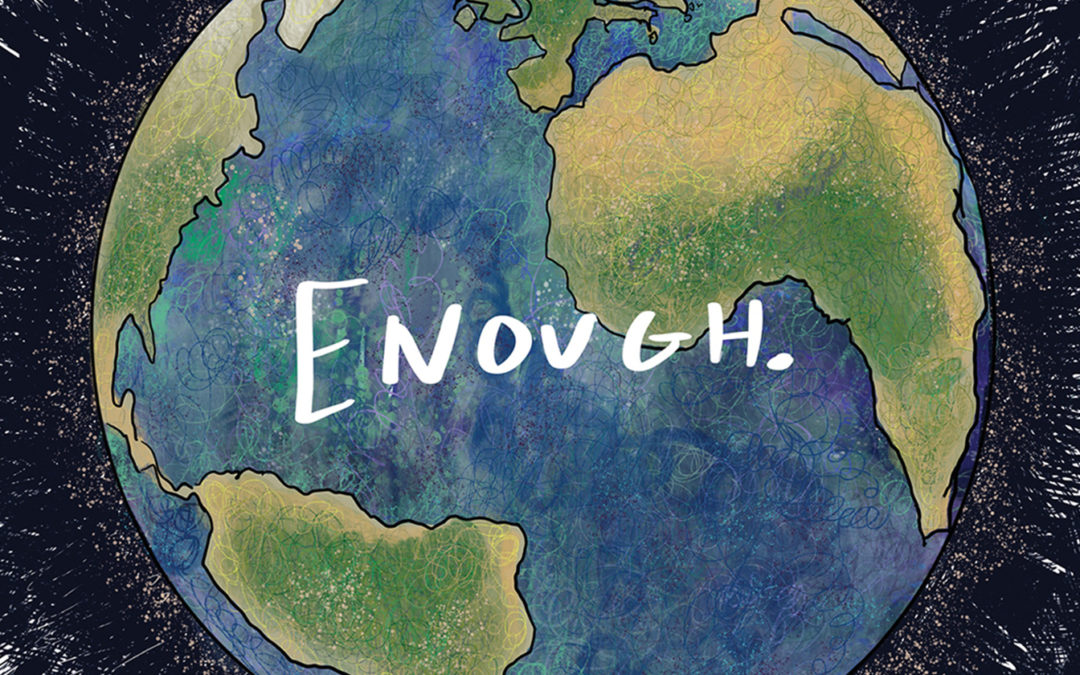
This recent article in Yes! Magazine is very timely, as is the invitation to the event on Sept 9th. Stan Cox’s proposal for achieving fair shares for all through rationing managed by local governance is, to say the least, provocative in our current society... Read more
Article, Nature & Conservation
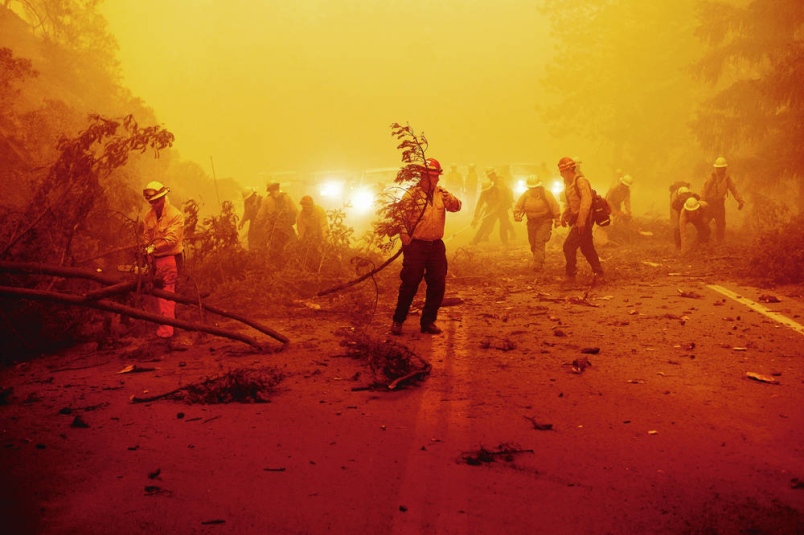
Courtesy of the Times Colonist Photo: Firefighters battle the Dixie Fire in Plumas County, California, this month after a burning tree fell across a road. Forest fires and other forms of deforestation worsen climate change because they impair the planet’s... Read more
Article, Energy, Housing, & Buildings, Zero Waste & Circular Economy
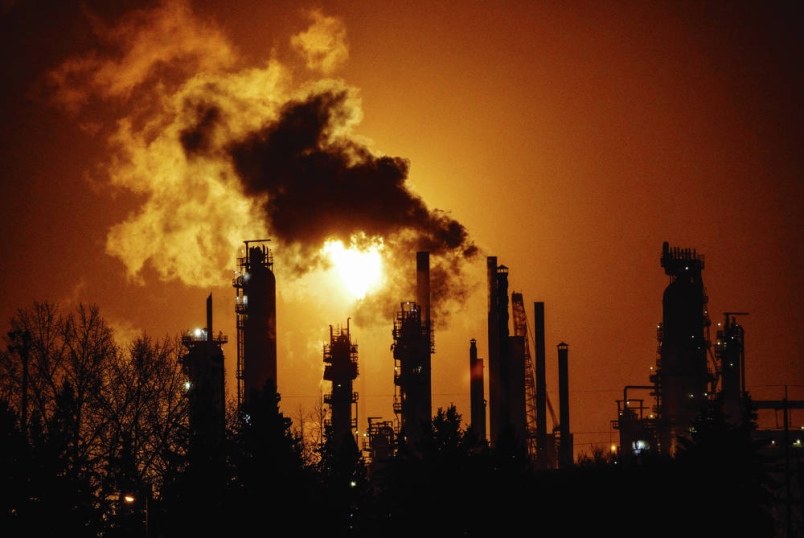
Courtesy of the Times Colonist Photo: A flare stack lights the sky from a refinery in Edmonton. The pathway to net zero is tough, but doable, argues Trevor Hancock, and brings many social, economic, ecological and health co-benefits, as reports from the... Read more
Article, Arts, Community, & Inclusivity
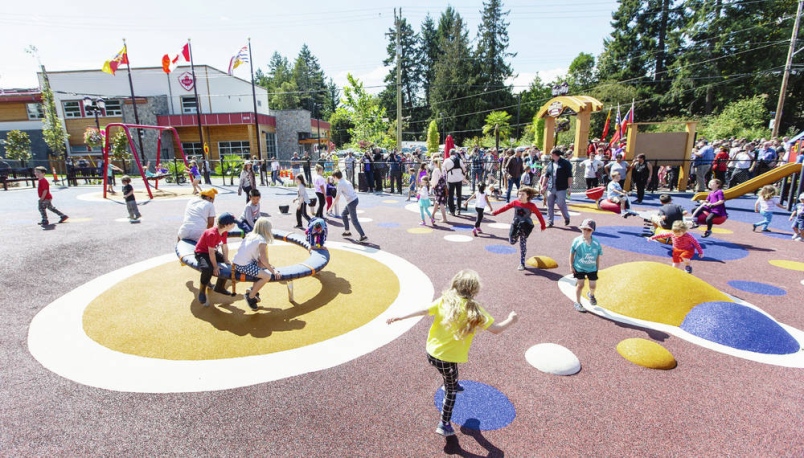
To become a Child Friendly City, cities should implement a nine-point framework that includes having “strategies for children, regular reports on the state of the city’s children, independent advocates for children, opportunities to listen to children’s views” and other governance measures.
Read more
Article, Energy, Housing, & Buildings
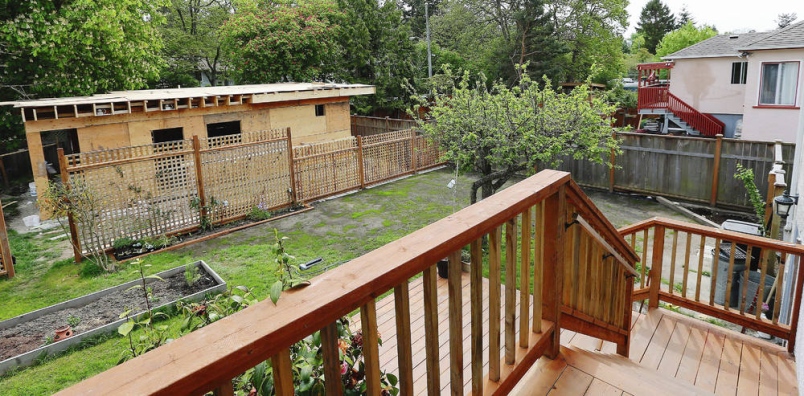
Courtesy of the Times Colonist Photo: Garden suites like this one under construction in Victoria in 2014 are considered “gentle infill,” along with row houses, townhouses, duplexes and secondary suites in homes, writes Trevor Hancock. ADRIAN LAM, TIMES... Read more
Article, Energy, Housing, & Buildings
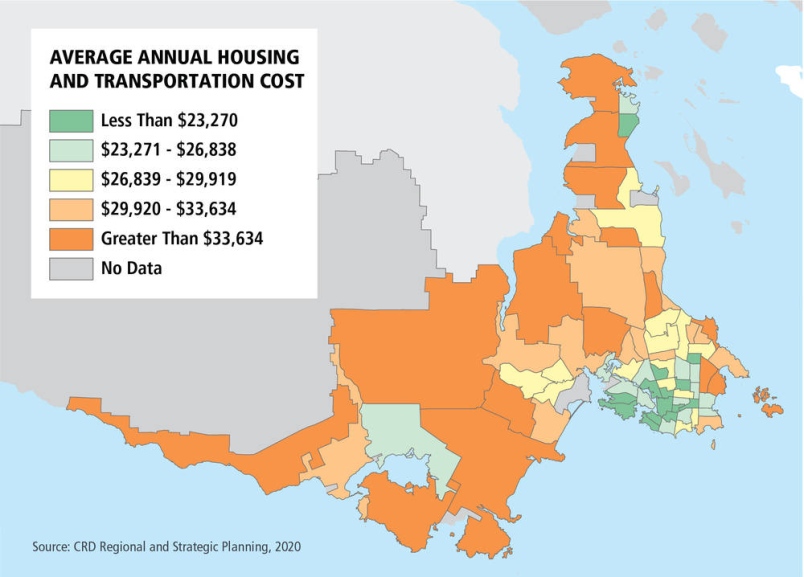
From time to time, fierce debates erupt over proposals to introduce more dense housing into residential neighbourhoods. I suspect that part of the problem is a failure to distinguish between housing that is affordable, social housing and supportive housing, as well as a related concern about loss of property values.
Read more
Article, Nature & Conservation
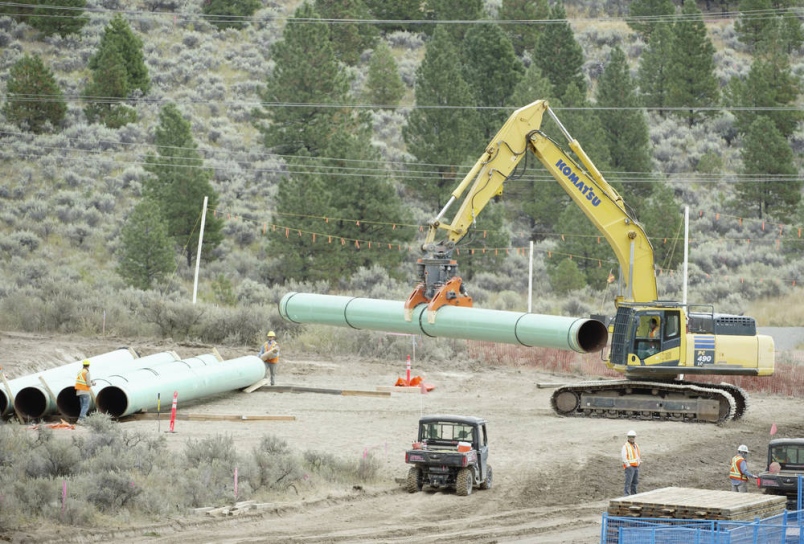
Why on Earth are we spending scarce public resources to prop up the fossil-fuel industries that are the underlying cause of the climate emergency and that we need to wind down? I could understand if the funds were being used to transition those industries and their employees into clean and renewable energy production. But too often, they are used to support business as usual.
Read more

Article, Arts, Community, & Inclusivity
Last week, the Times Colonist announced that for Canada Day, it would be running a full-page pull-out of the Canadian Indigenous Flag. Designed by the late Curtis Wilson (Mulidzas) of the Wei Wai Kum First Nation near Campbell River, it is a revised maple leaf flag with swimming salmon in the side bars and an orca in the maple leaf.
Read more
Article, Arts, Community, & Inclusivity, Energy, Housing, & Buildings, Nature & Conservation
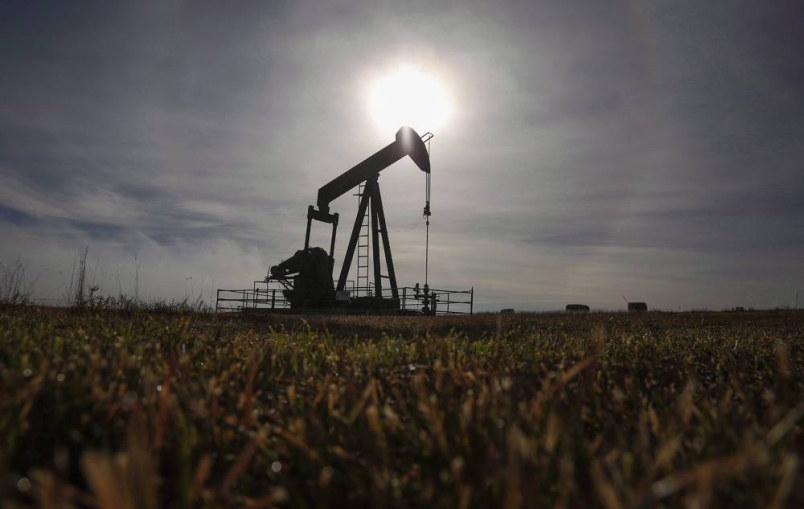
The list of unworthy corporate recipients of government (read tax-paying citizens) support is long, but surely right at the top must be the fossil-fuel industry, followed by industries such as mining, forestry, agriculture and fisheries (of which more next week).
Read more
Article, Fairy Creek, Nature & Conservation
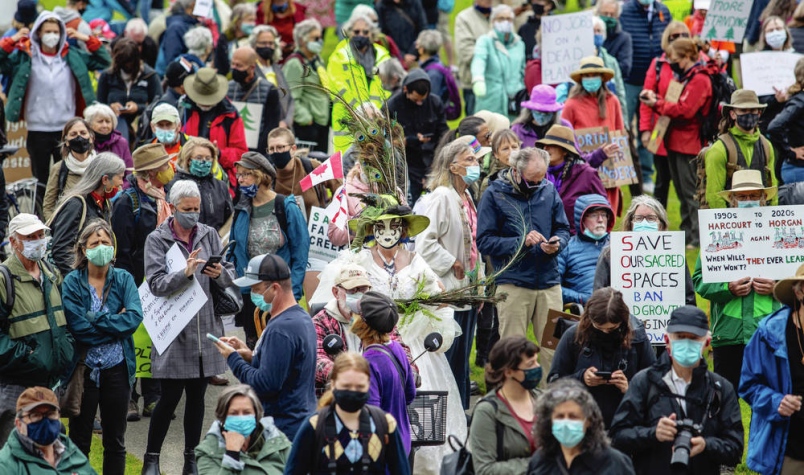
The new ‘War in the Woods’ to protect old-growth forest in Fairy Creek and far beyond raises an important issue that has been neglected. By what right are those trees being cut? Who gets to decide?
Read more
Article, Arts, Community, & Inclusivity
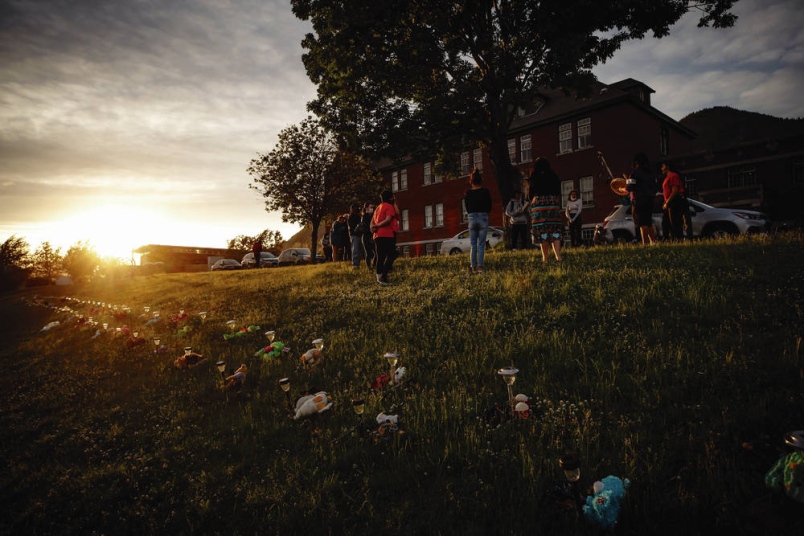
Some may find this column disturbing, as it is about the deaths of Indigenous people a century or more ago. Moreover, in quoting from a 1922 report, some of the words used then (e.g. Indians) are not acceptable today. But it is important to quote verbatim. I am grateful to Andrew Nikiforuk, whose June 2 article in The Tyee reminded me of this story.
Read more
Article, Nature & Conservation
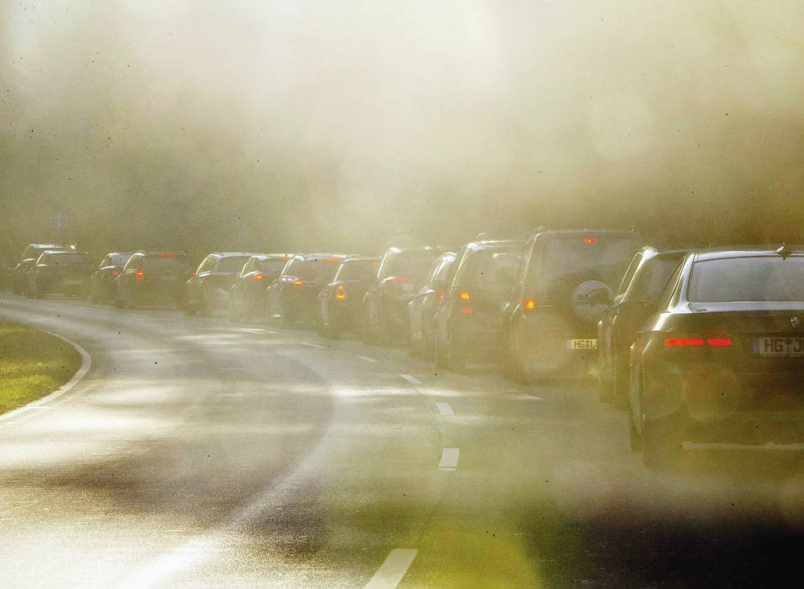
One of the biggest challenges in addressing climate change is that it’s a very slow-moving crisis. We need to take action now in order to avert problems many years, even decades, into the future, but our system is biased against such action.
Read more
Article, Nature & Conservation
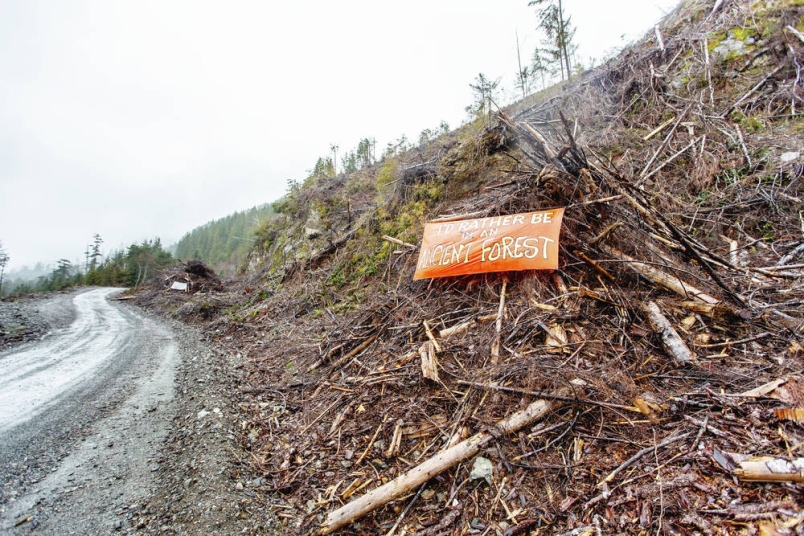
Sadly, Ecojustice and the Wilderness Committee gave B.C. a failing grade in four of the five areas they considered: protection and recovery of both species at risk and ecosystems, the protection of natural habitats of all species and ecosystems and other laws to protect biodiversity.
Read more
Article, Nature & Conservation
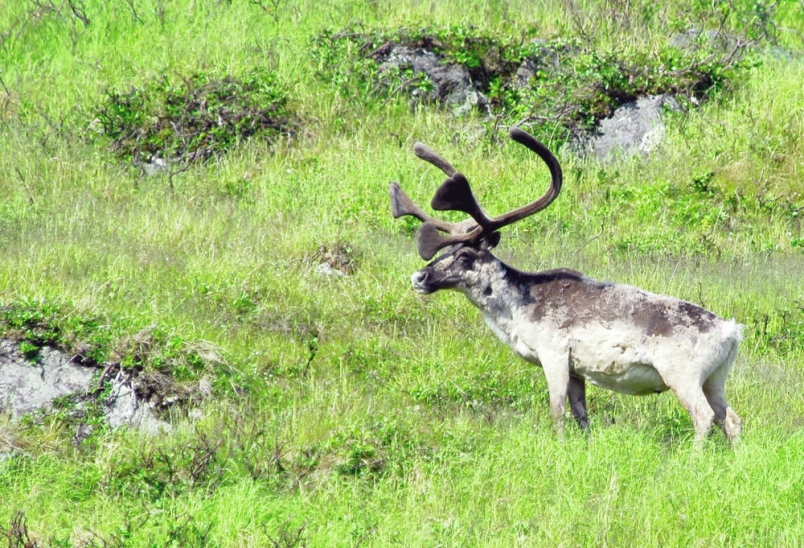
There was a time when B.C. was a global leader in fish, wildlife and habitat conservation, said Jesse Zeman of the B.C. Wildlife Federation in a May 10 news release. But now it is “a landscape which can be characterized as at risk, endangered and extirpated,” he said.
Read more

Article, Food & Health
Two broad themes this week, both from recent headlines. The first is the insanity of the plans for the Olympic Games, and especially the unethical prioritization for COVID-19 immunization of elite Olympic athletes over vulnerable people and essential workers in low-income countries. The second is a couple of astonishing ideas from the fossil-fuel industry and its political supporters in the U.S.
Read more
Article, Food & Health, Transportation
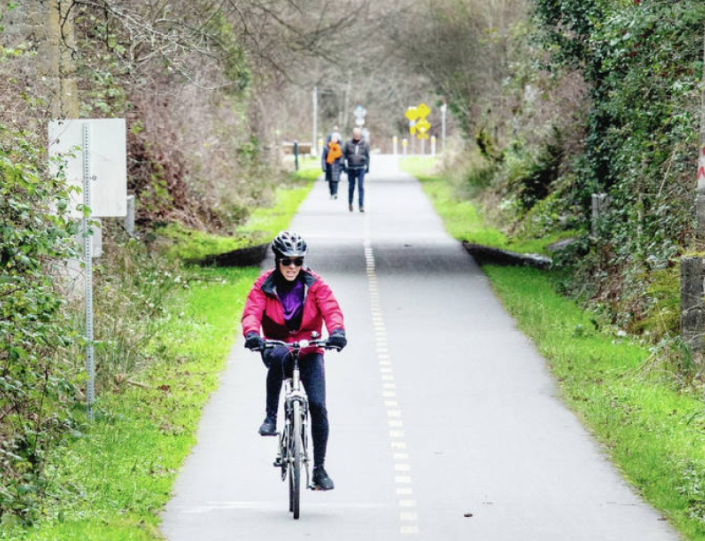
The physical health benefits of active transportation (walking, biking, public transit) are well known. Compared to cars, there are fewer emissions of carbon dioxide and various air pollutants per passenger mile, fewer accidents and more physical activity — I often joke that includes running for the bus.
Read more
Article, Arts, Community, & Inclusivity, Energy, Housing, & Buildings, Nature & Conservation
In 1948, the World Health Organization defined health as “a state of complete physical, mental and social well-being.” I find it a good and simple definition. One of its strengths is that it fully recognises both mental and social well-being, with the latter inevitably bringing in our relationships with others — our families, communities and society as a whole.
Read more
Article, Nature & Conservation
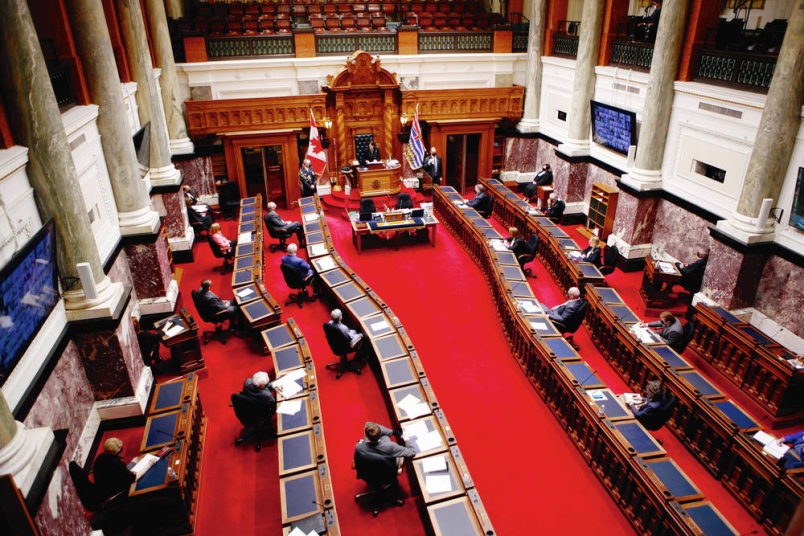
The B.C. budget, delivered two days before Earth Day, confirmed what the throne speech had already shown: the environment is very much an after-thought for the NDP government, tacked on at the end and lacking any real substance. Thus they fail to address the most important long-term issue we face: our excessive and unsustainable demands on the planet.
Read more
Article, Arts, Community, & Inclusivity, Fairy Creek
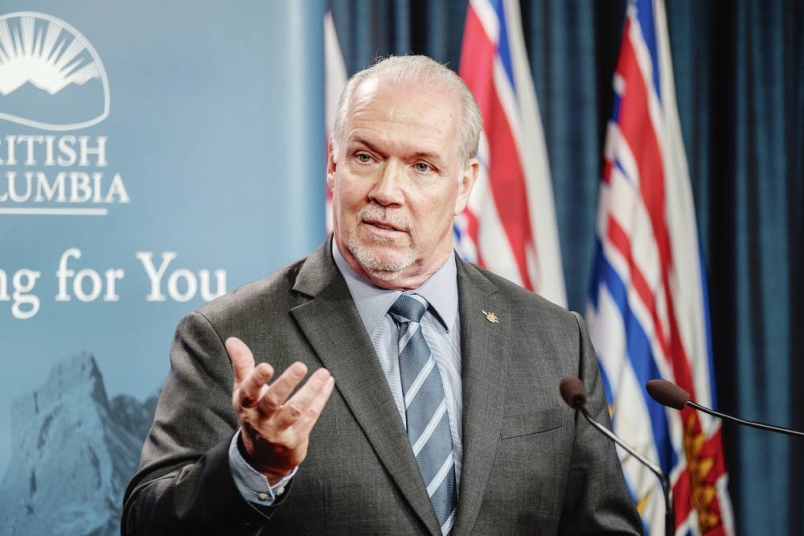
I was struck by the immense irony of John Horgan’s recent exhortation to young people not to blow it for the rest of us with respect to COVID. The irony, of course, is that he and his government are blowing it for the younger generation by continuing to treat the environment as a resource for industrial activity and failing to protect species at risk.
Read more
Article, Energy, Housing, & Buildings
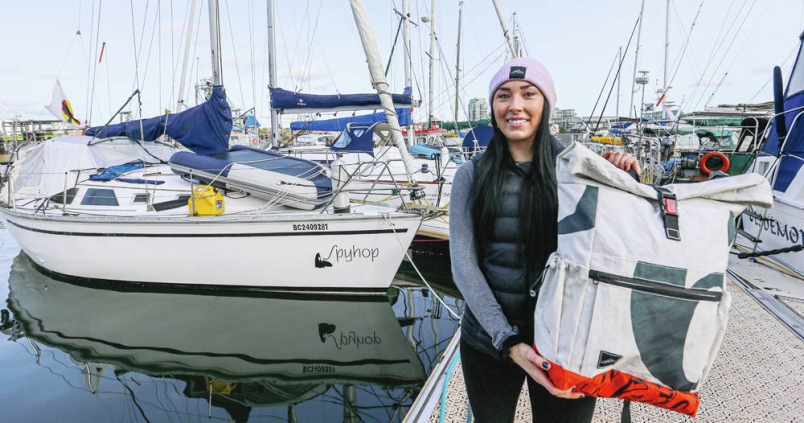
Becoming a One Planet region is a mammoth challenge, but one we have to meet unless we prefer to leave it to Mother Nature to do it for us (and to us). But that is not going to be pretty! The key to becoming a One Planet Region is in principle very simple; use and consume a lot less stuff and energy — especially fossil fuels — and produce much less waste.
Read more
Article, Arts, Community, & Inclusivity, Energy, Housing, & Buildings
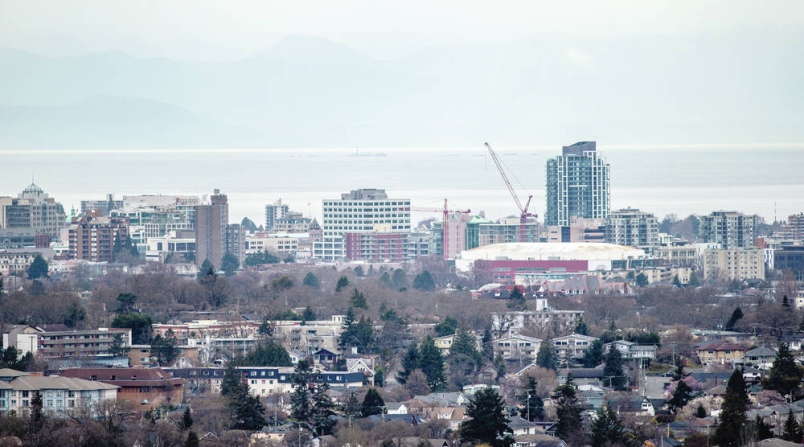
Last week, I noted three ways proposed by Prof. Graham Smith to reform our democracy to safeguard the future, and dealt with two of them: re-shaping legislatures and constitutions and bringing an independent voice to decision-making.
Read more
Article, Nature & Conservation
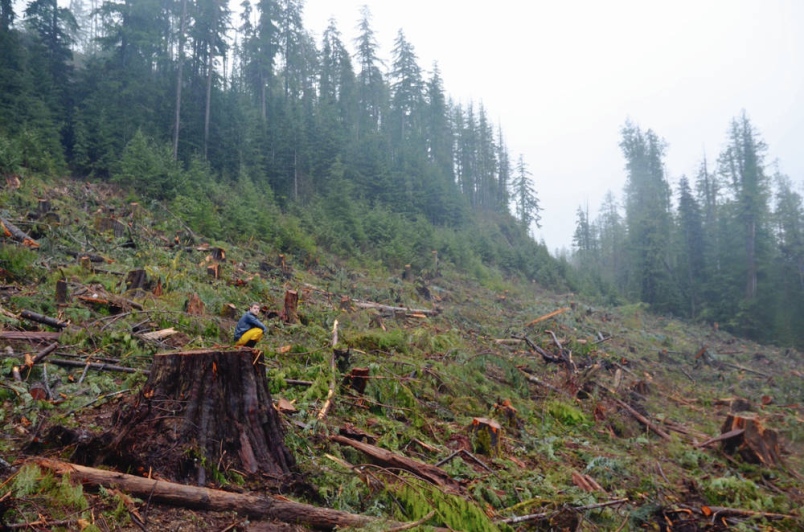
Too often, politics is focused on the short term. We see it everywhere: Support for clear-cutting the last stands of old-growth forest, fishing to the last fish, maintaining and even expanding the fossil-fuel industry — the list goes on. Only when it is almost too late do we act — and not always even then.
Read more
Article, Energy, Housing, & Buildings
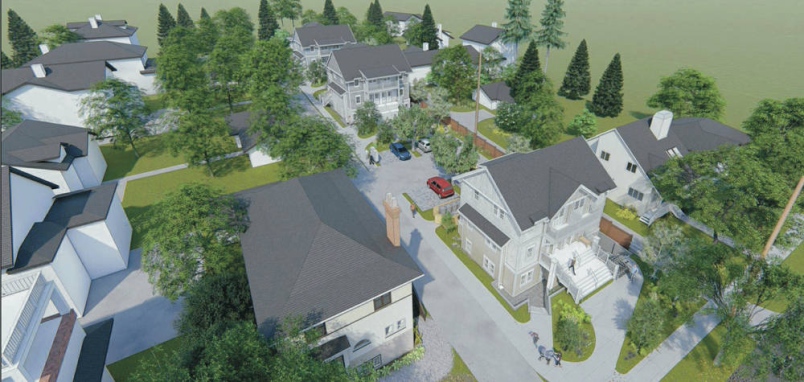
Courtesy of the Times Colonist Photo: Housing should be moderately intensified, writes Trevor Hancock, not through high-rises but by sensitive in-filling to create moderate-priced housing in walkable neighbourhoods, as with a gentle densification housing project... Read more
Article, Nature & Conservation
A cynic, Oscar Wilde wrote, is someone who “knows the price of everything and the value of nothing.” On that basis, our dominant economic system — corporate capitalism — is beyond cynical. It takes Wilde’s aphorism one giant step further because it doesn’t even know or take into account the price of everything, never mind recognize and account for that which is priceless.
Read more
Article, Arts, Community, & Inclusivity
Last week, I suggested that true prosperity is doughnut-shaped, but I did not define what I mean by true prosperity, nor what Doughnut Economics means for this region. I will explore the first of these topics this week and the second next week. One understanding of... Read more
Article, Zero Waste & Circular Economy
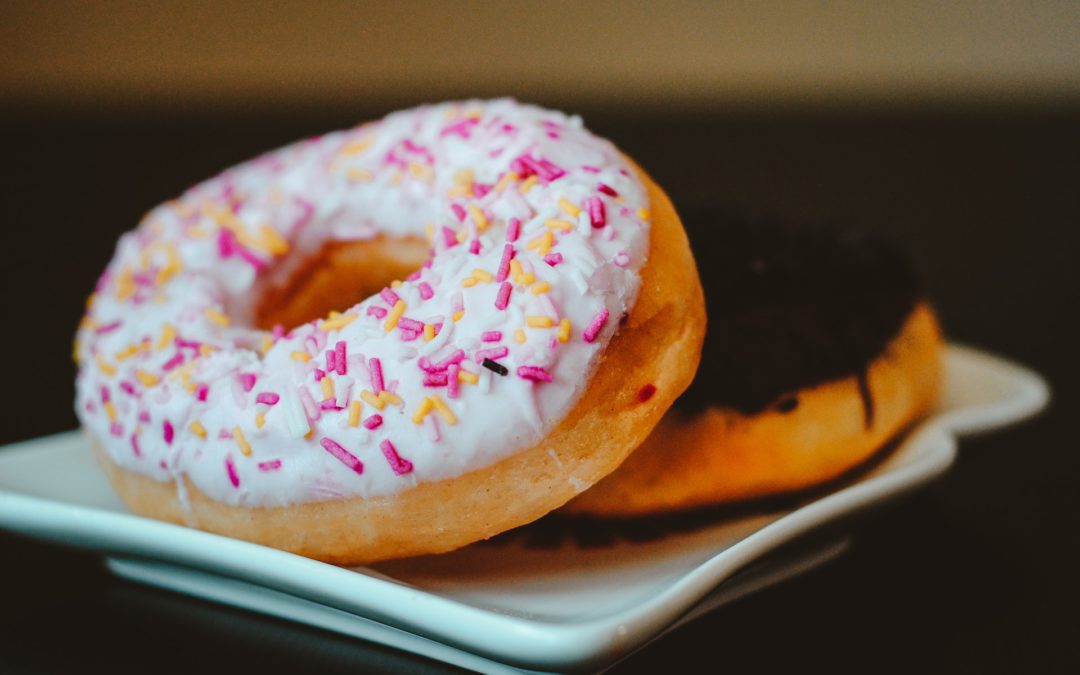
It will come as no surprise to fans of the British satirical fantasy writer Tom Holt that economics has something to do with doughnuts. In his YouSpace series, a doughnut is the wormhole to an alternate reality, a parallel universe inhabited by elves, goblins, gnomes, dwarves and other fairytale characters who are ripe for exploitation.
Read more
Article, Arts, Community, & Inclusivity, Nature & Conservation
Our Conversations in 2021 will be focusing more on imagining and starting to design and create a One Planet Region, exploring what local and personal and actions are needed and the policy changes needed to support those actions.
Read more
Article, Arts, Community, & Inclusivity, Nature & Conservation
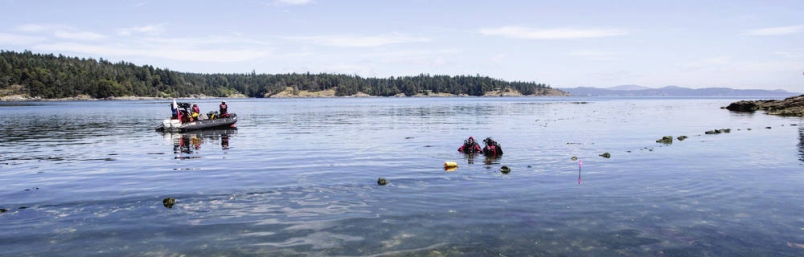
The 2019 Human Development Report from the UN focused on inequalities in the Human Development Index, but did not look at an inequality that is particularly important in Canada: the HDI of Indigenous people. Happily, Indigenous Services Canada has done this, at the request of the Assembly of First Nations, although only for “Registered Indians,” which misses Inuit and Métis people.
Read more
Article, Nature & Conservation, Zero Waste & Circular Economy
Last week, I quoted from a Dec. 2 speech by UN Secretary General Antonio Guterres on the state of the planet. It made for grim reading, but it is the reality we need to face. Mr. Guterres did not end on a pessimistic note, however. Instead, he pointed to many indications of opportunity and hope.
Read more

Article, Nature & Conservation
On Dec. 2, UN Secretary General Antonio Guterres gave an important if somewhat overlooked speech at Columbia University’s World Leaders Forum on the state of the planet. Guterres was blunt: “To put it simply, the state of the planet is broken,” he said. “Humanity is waging war on nature” – and that is “suicidal.”
Read more
Article, Food & Health
First, and very obviously, a wish that might actually come true in 2021: That COVID-19 be over. If the vaccines are as good as promised, and if we can vaccinate around 60 to 70 per cent of the population there is a good chance we can return to something like normal.
Read more

Article, Arts, Community, & Inclusivity, Zero Waste & Circular Economy
I suggested last week that our society is remarkably immature in its approach to life. Central to this is an exaggerated form of individualism that has achieved a cult-like status. With that comes an acquisitive, greedy and selfish culture that really doesn’t care about other people or about nature.
Read more

Article, Arts, Community, & Inclusivity
In exploring the German concept of bildung and the Nordic experience of folk-bildung I am indebted to a lengthy 2018 overview by Jonathan Reams of the 2017 book The Nordic Secret by Lene Andersen and Tomas Björkman.
Read more
Article, Arts, Community, & Inclusivity
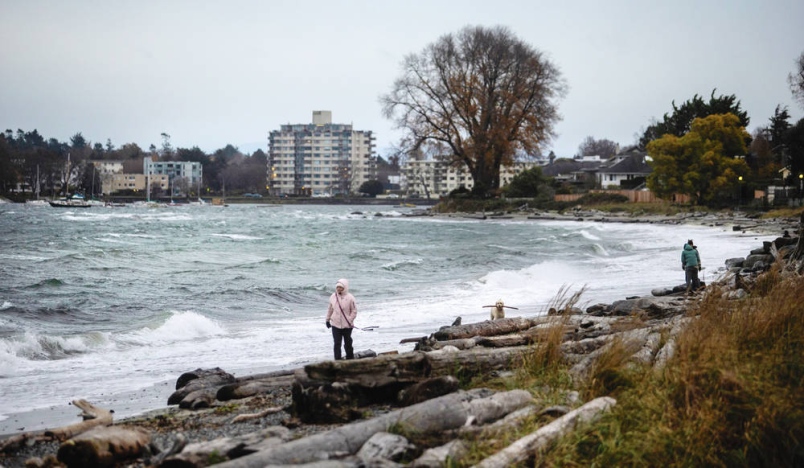
We may be talking about and even acting on climate change — even though our actions usually fall short of our words — but we are not yet talking seriously about the far greater challenge of living as if we have four or five planets, when in reality, we only have one, never mind the implications of that realization.
Read more
Article, Arts, Community, & Inclusivity, Food & Health
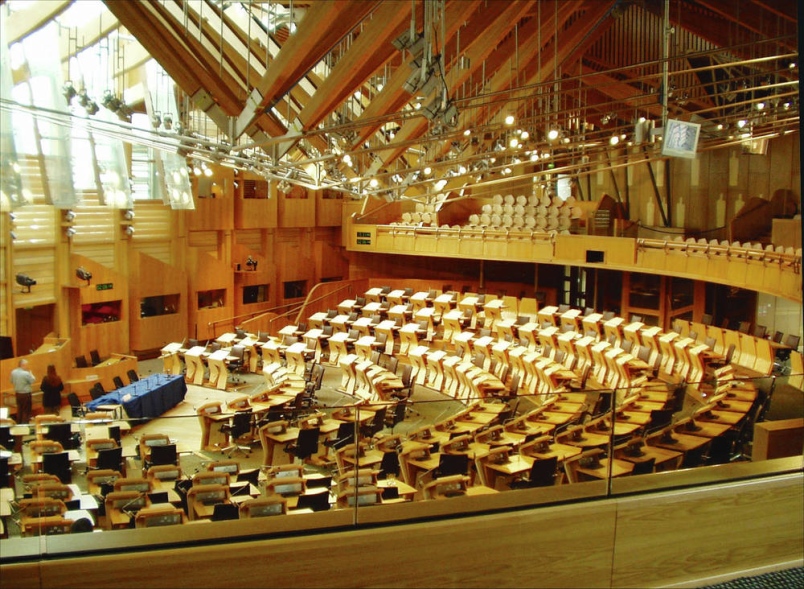
Anyone watching Knowledge Network these days will be aware it’s all about Scotland, from clan wars to wildlife to railways. Good things come from Scotland, from Scottish ales and whisky to haggis and Robbie Burns — well, OK, not everything is wonderful, although haggis is way better than it sounds.
Read more
Article, Nature & Conservation, Zero Waste & Circular Economy
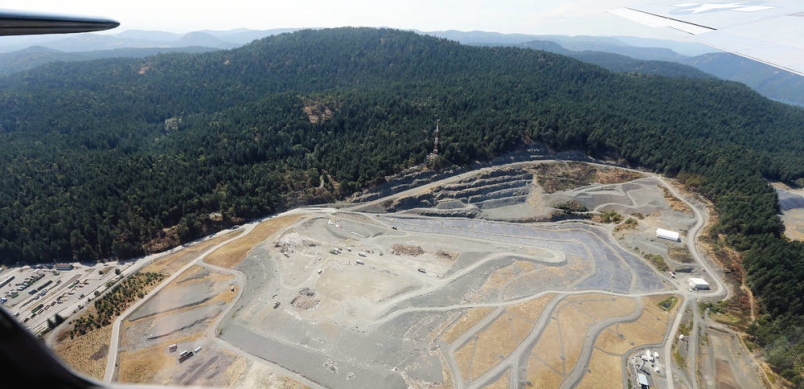
A lot of what we acquire — all that “stuff’’ — ends up as solid waste, while inefficient energy use leads to high levels of energy waste. Not only does this contribute to excessive use of resources — with all the pollution and energy use associated with their extraction, processing and distribution — but it fills our landfills and pollutes our local environment or, if we export it, other people’s environment.
Read more
Article, Nature & Conservation
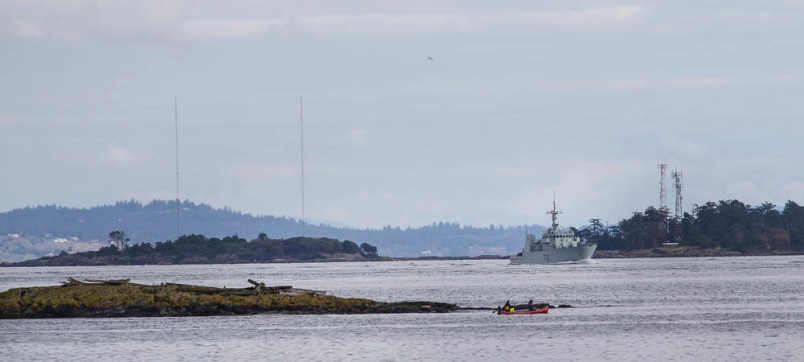
What do people think of when they think of British Columbia? Chances are they think of the mountains, the forests, the coast with its salmon and orca, and Indigenous people and cultures. Indeed we are an ocean province, with a 25,000-kilometre-long coastline.
Read more
Article, Arts, Community, & Inclusivity
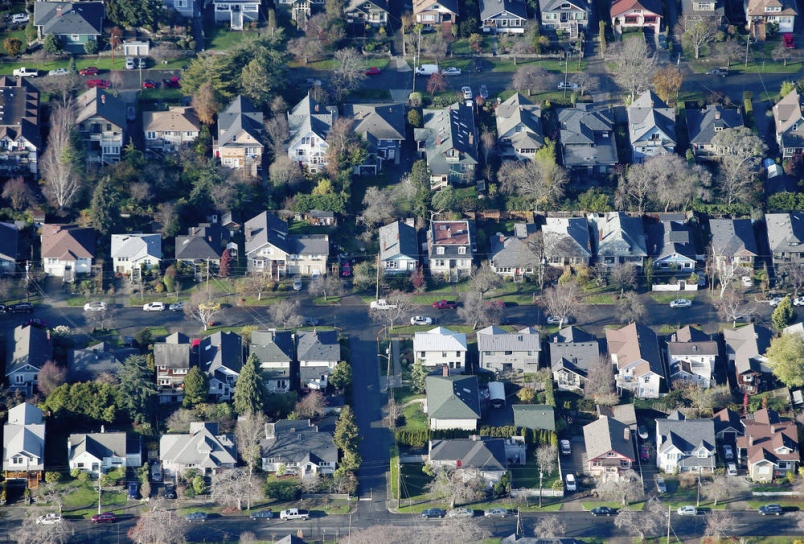
Courtesy of the Times Colonist Photo: A residential neighbourhood in Victoria. ADRIAN LAM, TIMES COLONIST Last week, I suggested our region would be well served by a centre focused on how to create healthy, just and sustainable “One Planet” communities and that it... Read more
Article, Nature & Conservation
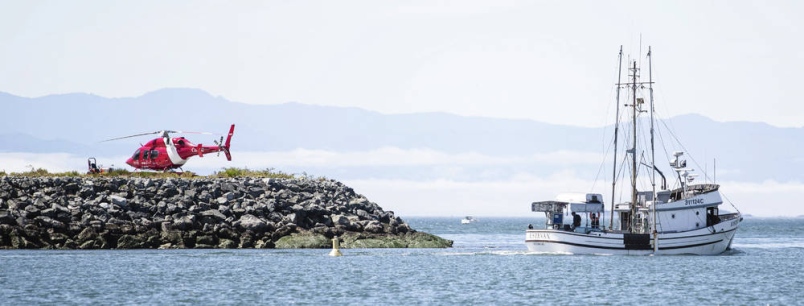
Courtesy of the Times Colonist Photo: A fishing boat passes a Canadian Coast Guard helicopter near Fisherman’s Wharf by Darren Stone Here is an astounding statistic: Of the roughly 196,000 tonnes of wild seafood harvested by B.C. fishers in 2018, worth about $476... Read more
Article, Nature & Conservation
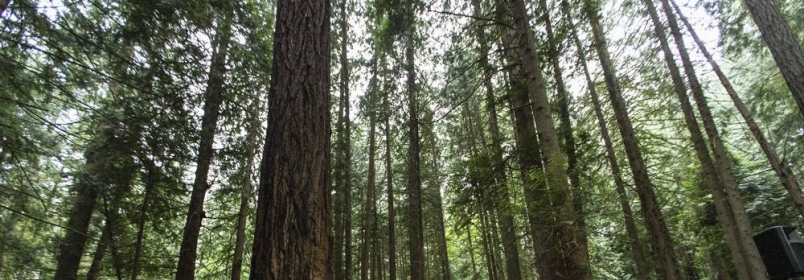
Courtesy of the Times Colonist Photo of Francis King Regional Park, Darren Stone – Times Colonist Last week, I explored how poorly governments of all stripes have been, at all levels, in protecting nature — and thus in protecting us. British Columbia is renowned... Read more
Article, Nature & Conservation
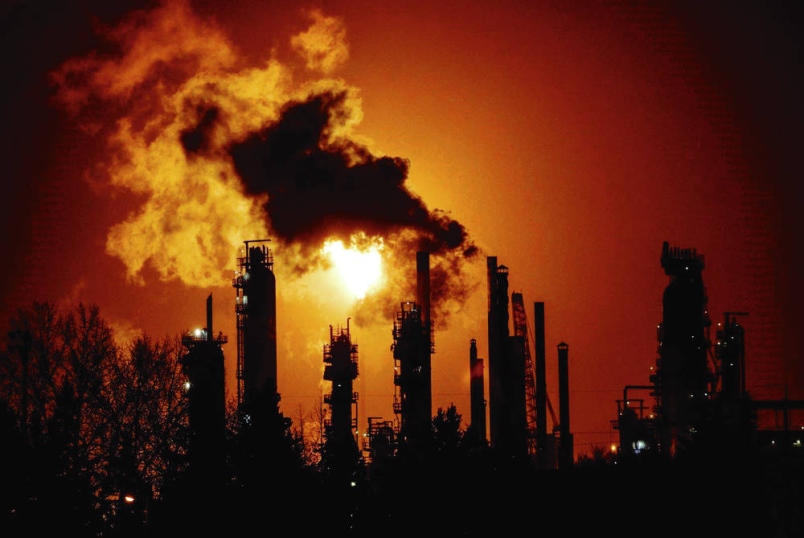
Bear with me, there are plenty of numbers here, but they are vitally important and in essence quite simple, with profound implications for our climate and energy policies, and I have not seen the implications for Canada presented as I do here.
Read more
Article, Nature & Conservation
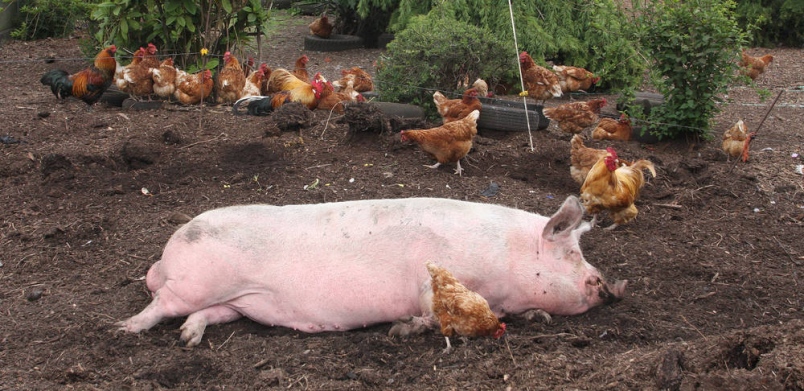
In his 2016 book The Serengeti Rules, Sean Carroll tells us Charles Elton, the 1920s pioneering ecologist, identified four factors that control animal numbers: predators, pathogens, parasites and food supply. Two weeks ago I likened these to the Bible’s four horsemen of the apocalypse.
Read more
Article, Nature & Conservation
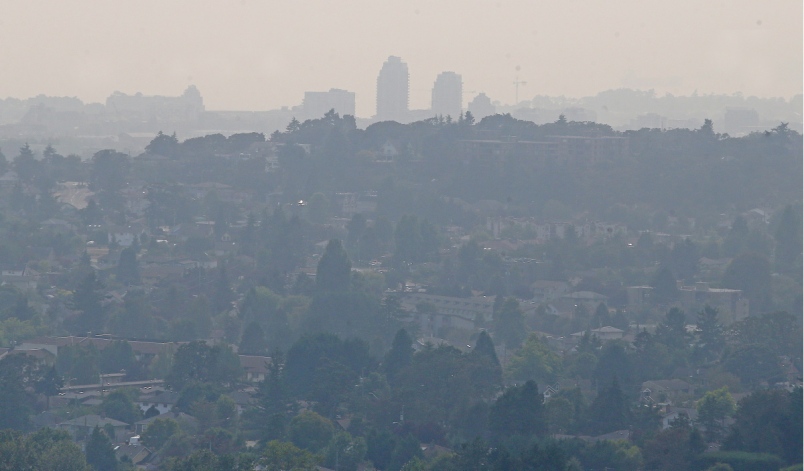
Contemplating an orange-red noon-day sun almost obscured by the smoke clouds roiling in from America, burning to the south, brought vividly to mind The Sheep Look Up by British author John Brunner, an eerily prescient science fiction novel I read almost 50 years ago.
Read more

Article, Nature & Conservation
According to the Book of Revelation in the New Testament, the Four Horsemen of the Apocalypse are conquest, war, famine and death, while in the Old Testament’s Book of Ezekiel they are sword, famine, wild beasts and pestilence or plague. (Sometimes, apparently, conquest is interpreted as pestilence or plague.)
Read more
