
Courtesy of Vancouver Sun
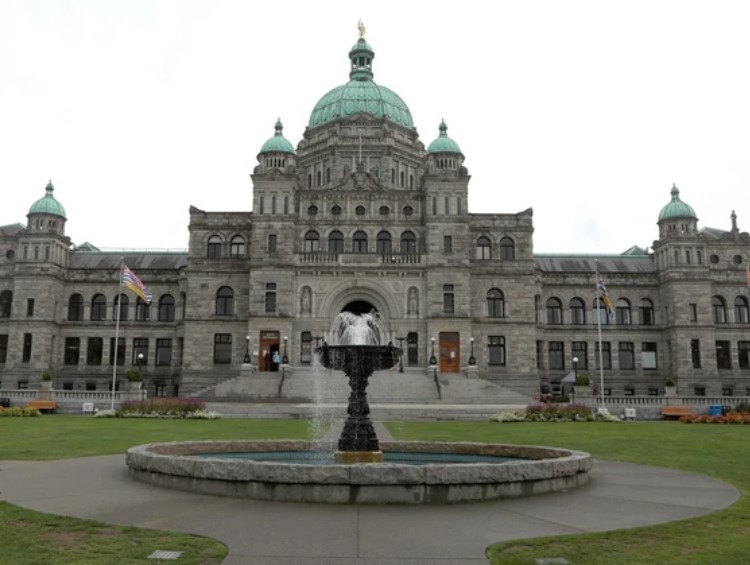
Photo: The powers in Bill 15 are akin to a blank cheque for current and future cabinets to rewrite publicly debated and enacted environmental laws in the name of removing so-called red tape, write Andhra Azevedo and Deborah Curran. Photo by CHAD HIPOLITO /THE CANADIAN PRESS
On May 1, the NDP government tabled Bill 15: the Infrastructure Projects Act. While it is being sold as a bill about building schools and hospitals, the bill opens the door for cabinet to pick and choose which projects they want to fast-track and reduces public oversight. Everything from schools to major mines could be included.
With the latest report of at least $400 million in unfunded environmental liabilities for mines already threatening public health in B.C., Bill 15 could push aside fundamental safeguards that underpin B.C.’s economy. Rather than giving itself the time to consult on and amend the bill, the government is set on pushing this bill through the legislature by the end of the month. Fast-tracking legislation brings with it the same risks as fast-tracking projects — that we rush ahead in pursuit of anticipated economic growth without considering what it might cost us.
What is at stake are the review processes for proposed projects that will have environmental, economic and social impacts. Processes like impact assessment and permit review determine whether the impacts of a new project are acceptable to British Columbians. Key to these processes is the assessment and weighing of a project’s negative and positive impacts on public health, Indigenous rights, the environment, economics and communities. Only seven years ago, the government passed a new environmental assessment law in recognition that everyone benefits from having clear processes to identify project impacts, seek consensus with First Nations, and consider public input.
Bill 15 allows cabinet to bypass that careful oversight. It gives cabinet broad powers to designate and expedite public or private projects and use a range of vaguely defined tools to either speed up or exempt these projects from important parts of our environmental and land use laws. These tools range from the power to replace permits with certifications issued by industry-hired professionals, to directing how local governments and regulators make decisions on permits, to exempting projects from key environmental assessment requirements like mandatory public comment periods. Even if the government has promised more details in the future, the language of Bill 15 treats our important public health and environmental sustainability laws as mere red tape rather than part of the infrastructure for protecting communities, the economy, and the environment from ill-conceived and rushed projects.
The powers in Bill 15 are akin to a blank cheque for current and future cabinets to rewrite publicly debated and enacted environmental laws in the name of removing so-called red tape.
The key assumption behind Bill 15 is that environmental regulation delays projects and harms our economy. However, an audit of 27 mines predicted to open between 1995 and 2022 found economic factors like commodity prices were the most common cause of delay, not regulation. Cutting corners on environmental assessments and regulations does not get projects to construction — it threatens public health, risks community economies, increases litigation risk, and erodes public trust.
British Columbians know that without strong environmental laws major projects like mines bring real costs and risks to local communities and ecosystems. We need only to look at the historic contamination at Britannia Mine and the destruction of the salmon and sturgeon populations in the Nechako River due to its diversion via a tunnel drilled through a mountain to power an aluminum smelter as devastating examples, each costing taxpayers and the economy millions of dollars. Laws that require us to look before we leap into new major projects are not red tape, they are essential tools for helping us build truly sustainable economies.
If there are specific types of projects that need special treatment, then the criteria for that special treatment should be transparent, shaped through public input, and subject to government-to-government processes between the province and First Nations. Prior to Bill 15 we were moving toward precedent-setting and publicly supported watershed collaborative governance and long-term plans for a transformative conservation economy in some regions. We can still use these processes that are more democratic, transparent, reconciliatory with Indigenous Nations and peoples and more accountable than the substantial changes in Bill
We need more careful consideration of whether new projects are good for British Columbia far into the future and the only way to do that is by respecting and building on our environmental laws, a key part of our public infrastructure.
Andhra Azevedo is Ecojustice’s environmental lawyer. Deborah Curran is executive director and professor at the University of Victoria’s Environmental Law Center.