If you’re like me, you might look at this book and wonder how dry and boring it might be. This book is a wonderful surprise in that regard; once I started I could not put it down. This story contains so much information and is rounded out in such a way that you will soon find something that will pique your interest and take you down the rabbit hole.
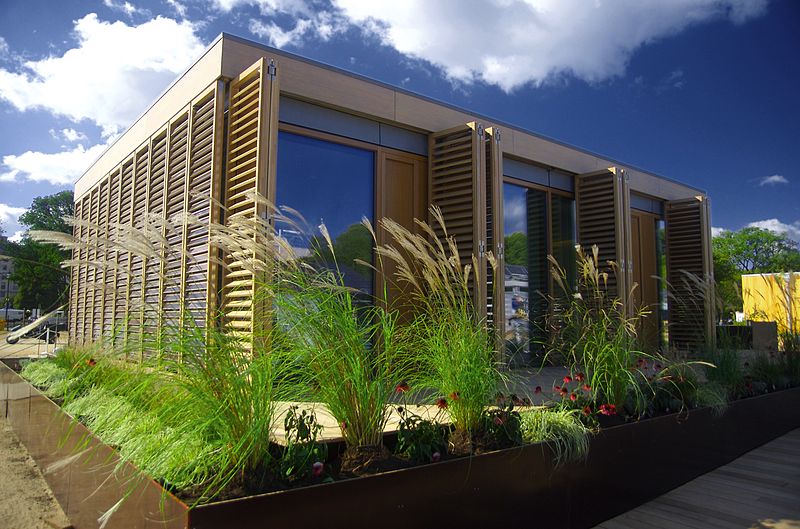
BC Housing and its partners are currently accepting expressions of interest for the LEEP Field Trial Homes and would like to invite you to participate! If you are planning the design and construction of a high-performance home or building, your project may be eligible... Read more
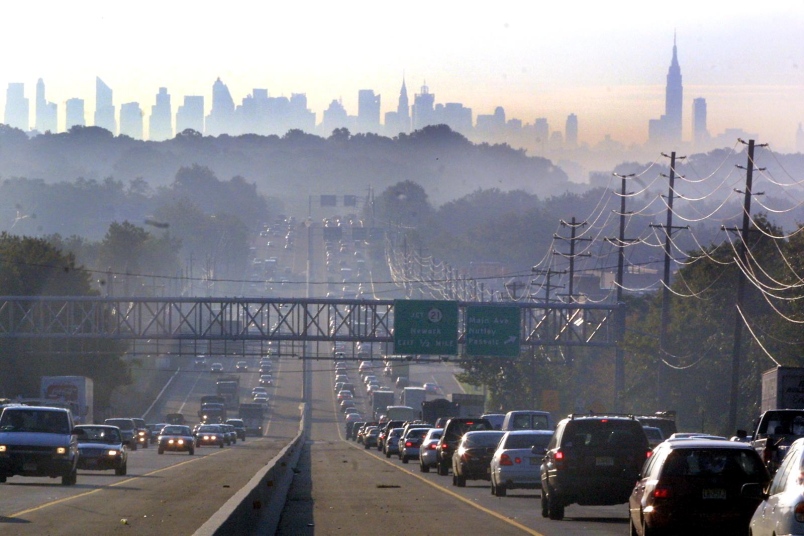
An important contributor to our large ecological footprint is urban sprawl, an energy and resource-hungry form of development that we cannot afford. It also is bad for our health.
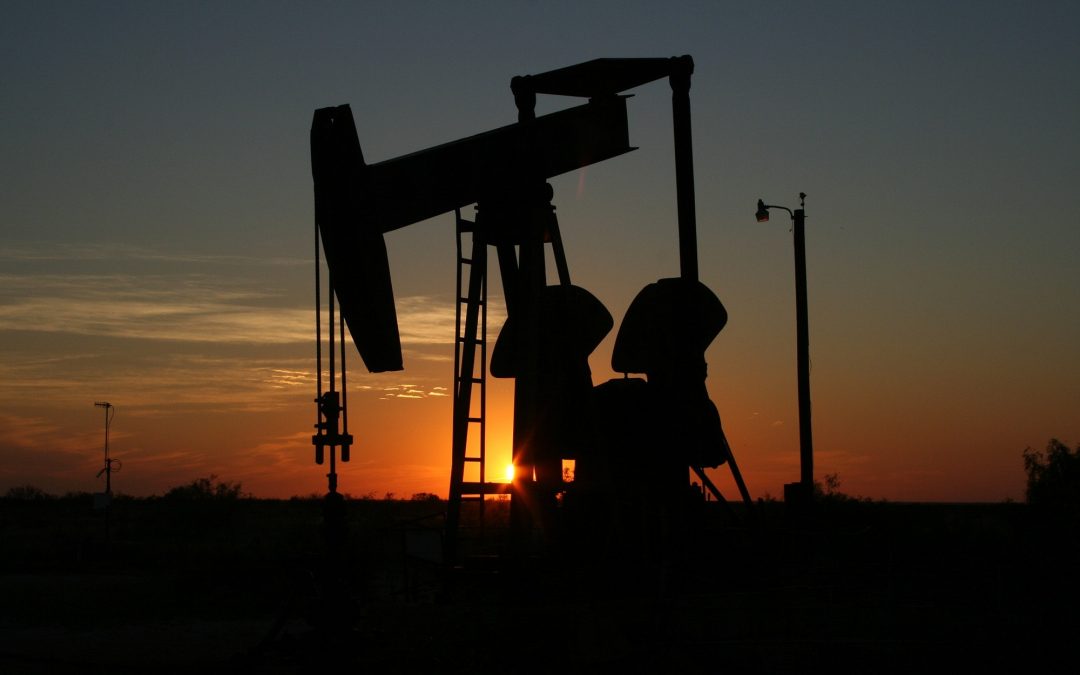
Considerable derision has been heaped on Victoria city council for endorsing a class-action lawsuit against the fossil-fuel industry, seeking financial compensation for the added costs the city will incur as a result of climate change.
Everyone wondered how we could possibly feature more than 20 presentations in less than two hours, but we did it! Inspiring stories of innovation, collaboration, community and creativity were shared with both a live and livestream audience worldwide around the theme... Read more
The environment of our buildings, and especially our homes, is enormously important for us. As Sir Winston Churchill remarked: “First we shape our buildings, then they shape us.”
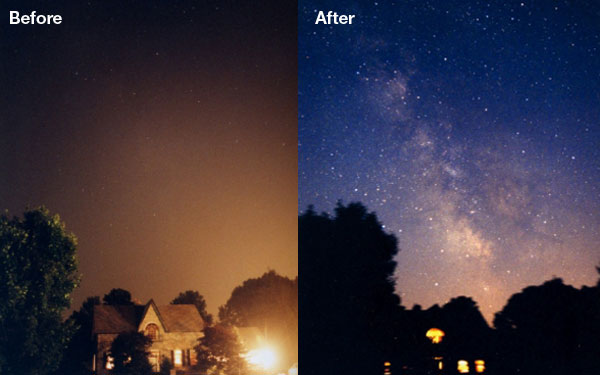
We often do not realize the effects we are having on our natural surroundings. Last fall, Tri-City Greendrinks featured lighting specialist and long-time member of the International Dark Sky Association (IDA), Brian Bury, to enlighten us about one of the least talked... Read more
Canada’s postal worker union is at the bargaining table this year – with one major issue to negotiate. It’s not what you think: the only green they’re fighting for is the environment.
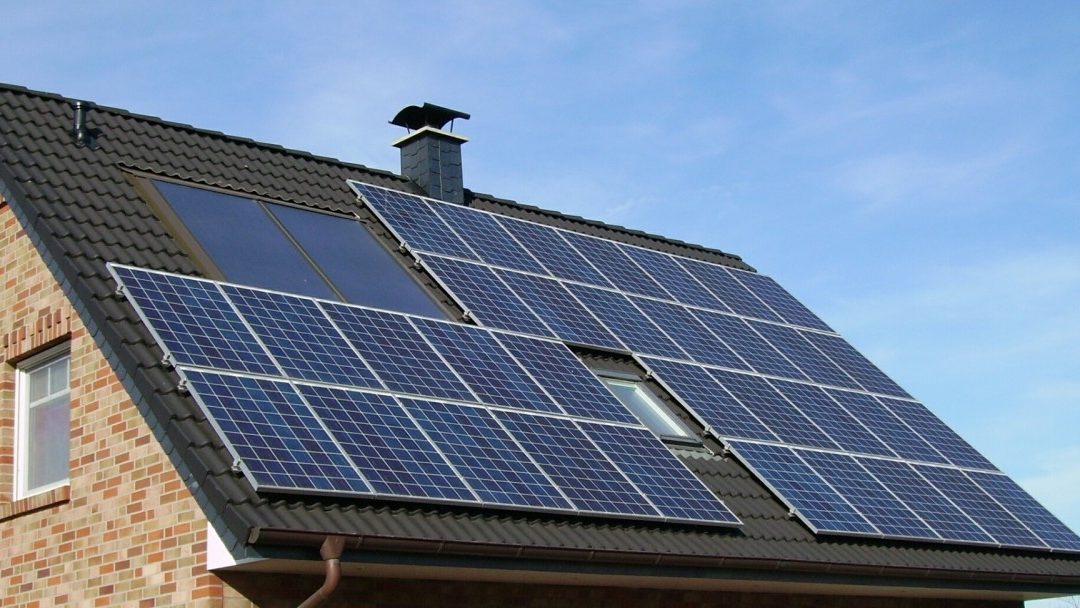
In Episode 5 of our podcast Mission Transition we look at who owns our power – and who should own our power. Caitlyn and Sue hear from people in BC who are trying to bring energy ownership and production into their own hands.
First Nations have been left behind by our mainstream economy. Now they are leading the way in BC when it comes to local, clean energy generation. In this episode we look at the innovative ways they’re producing clean energy and how this could spark an opportunity to work toward reconciliation.
British Columbians tend to see our economy as resource based—with many people making their living in the forest industry, the oil patch or the gas fields. We’ve all heard about or benefited from the high paying jobs. In Episode 3 we challenge assumptions about energy jobs in BC and talk about what happens to jobs as we shift to the next economy.
In Episode 2 of Mission Transition, we look at how the clean energy economy will change the ways we build. Susan Elrington and Caitlyn Vernon examine whether it’s better to build new or to retrofit existing buildings—and what this means for jobs.