3M has reached a US$7.35-billion settlement agreement to resolve approximately 115,000 to 120,000 personal injury claims related to exposure to per- and polyfluoroalkyl substances (PFAS) in aqueous film-forming foam (AFFF) used to fight fuel fires, marking another major development…
Working collaboratively with members of the Peninsula Biosolids Coalition, Creatively United is happy to report that our collective efforts (see our biosolids video) have finally resulted in a big win for our region. The Capital Regional District (CRD) has just... Read more
We are requesting your support to encourage the (CRD) Capital Regional District, to move ahead with plans for purchase of a thermal conversion biochar facility. It would be incredibly useful to have Nanaimo and the Regional District of Nanaimo (RDN) send letters of... Read more
Thanks to the efforts of the Peninsula Biosolids Coalition, a non-profit citizen’s group, plus numerous individuals, businesses and other proponents for integrated resource management (including Creatively United for the Planet Society), the CRD is now... Read more
Charcoal made from human waste could help solve fertiliser shortages as well as reduce pollution and energy use, a study has found. Biochar is a form of charcoal made from organic matter treated at high heat…
DuPont and two other companies will pay New Jersey up to $2 billion to settle environmental claims stemming from PFAS, commonly referred to as “forever chemicals,” the companies announced…
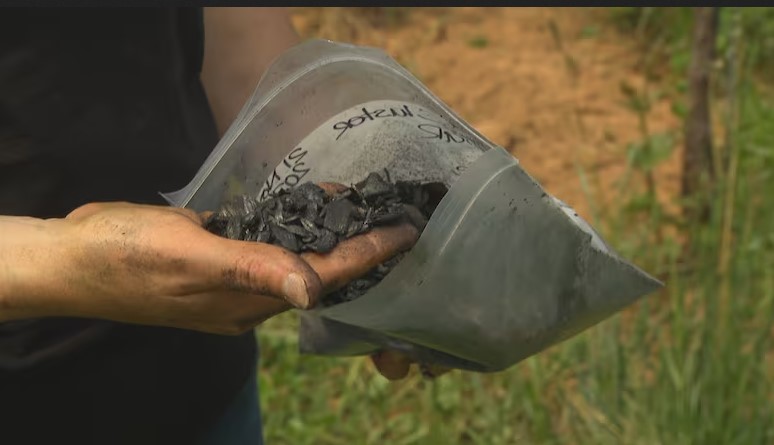
In a rolling field in the Annapolis Valley, the soil in one row of grapevines is littered with charred fragments of wood. Those unassuming bits of charred material don’t look like much, but the charcoal-like substance…
The Peninsula Biosolids Coalition and Biosolids Free BC, with whom Creatively United for the Planet Society has been actively collaborating, congratulates the CRD Board for making a historic decision to thermally convert biosolids into biochar employing the latest... Read more
In April 2025, the Province of BC approved in principle the CRD’s preferred option for thermal conversion of biosolids into a biochar and non-fossil fuel gas. Until the CRD received this approval, it was reluctant to proceed with adjudicating the Request for Proposals... Read more
Dear CRD Board Chair, members of the CRD Board, and senior CRD staff members, Below you’ll find a recent story from the New York Times on Fort Worth Texas, a city of just under 1 million residents, terminating their contract with Synagro following evidence the... Read more
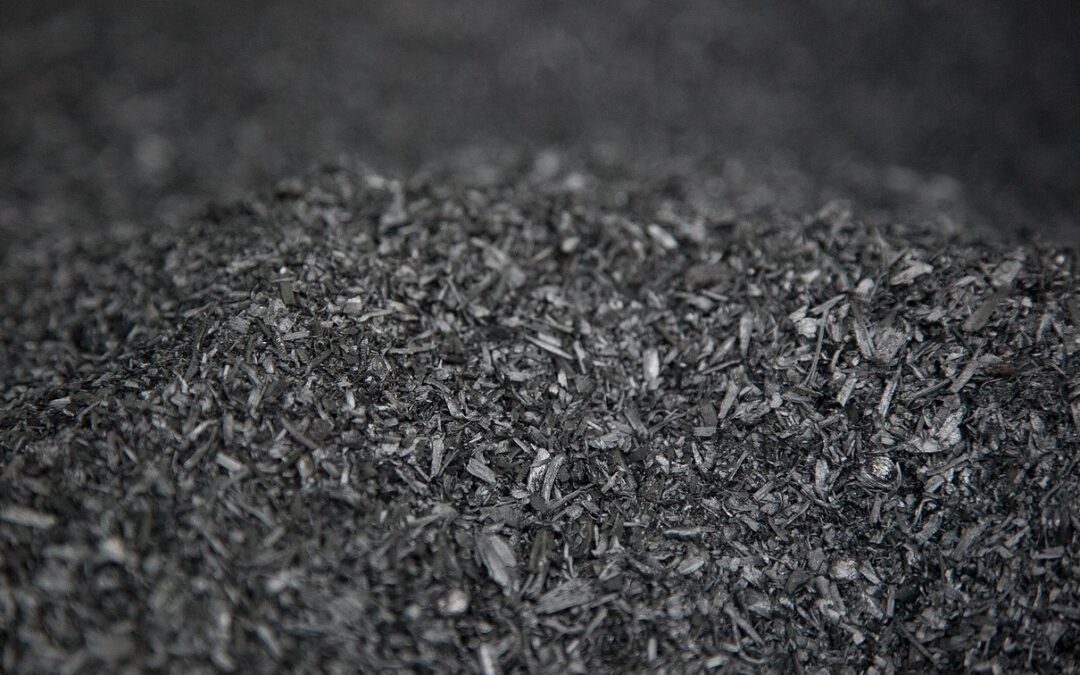
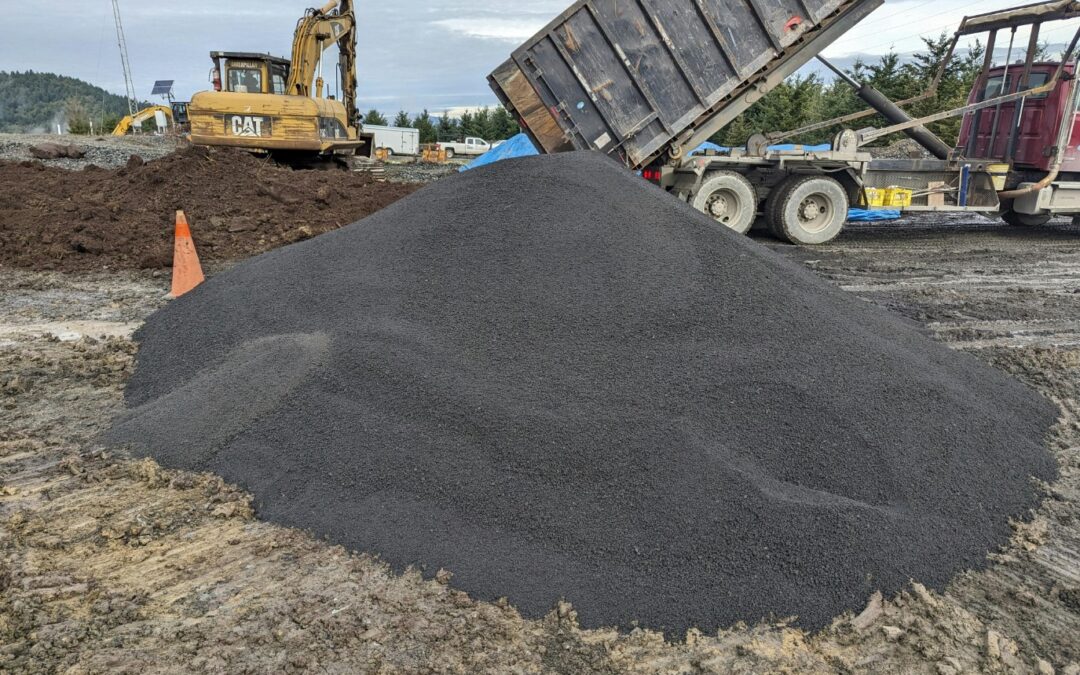
Biochar is a charcoal – like substance derived from thermally processing woody material, sewage sludge and biosolids. Bio-char can be used for a range of uses such a adding nutrients to soil, strengthening asphalt and concrete and storing large amounts of... Read more
On Wednesday, February 19, the CRD Environmental Services Committee reviewed an academic literature review of toxic chemicals embedded in biosolids produced by the Greater Victoria sewage Treatment plant and processed at the Hartland landfill. The review was ordered... Read more
This article from the New York Times highlights the growing and inevitable public health and environmental harms associated with the land application of biosolids that contain PFAS and other toxic chemicals, and the EPAs associated liability in encouraging the use of... Read more
On October 30, 2024, the CRD approved a provisional budget for 2025, which included the establishment of an Innovative Project Work Unit. This decision indicates that the CRD is turning the corner from a focus on waste dumping to a growing emphasis on green... Read more
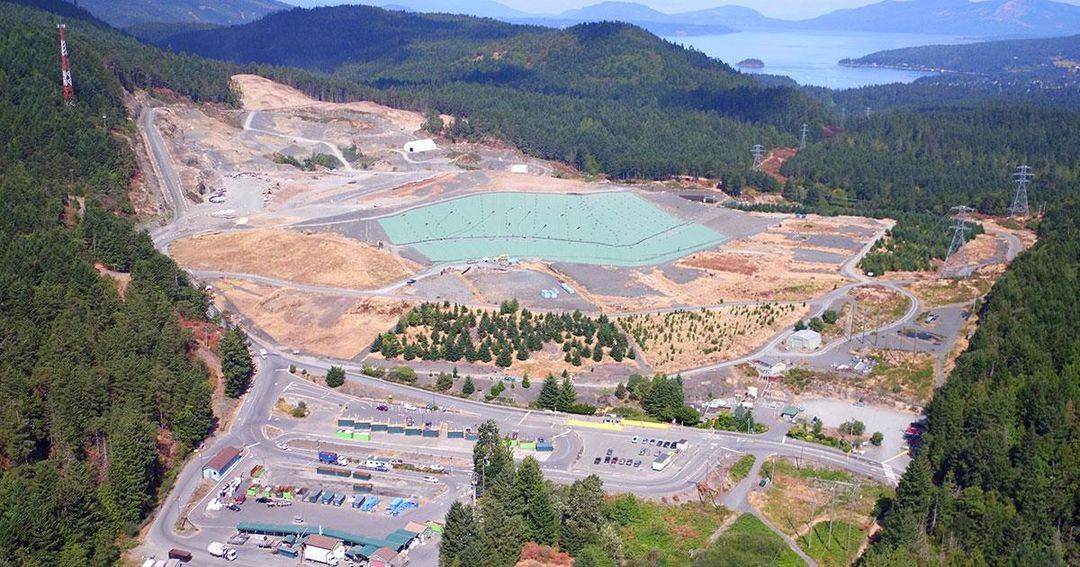
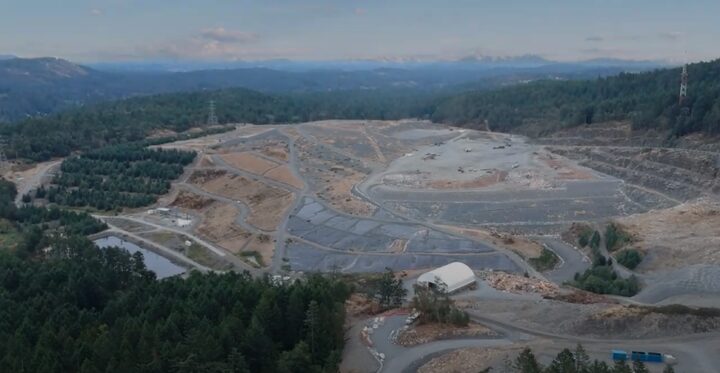
Currently, 80% of the biosolids produced by the Residuals Treatment Facility located at Hartland are being used as a fuel at the LaFarge cement facility in Richmond. The balance of the biosolids are mixed with sand and land applied at a quarry located at Cassidy near... Read more
After seeking interest from around the world, the Capital Regional District (CRD) has shortlisted six companies which could build and operate a pilot facility that would thermally break down the region’s treated-sewage-derived granules. As the CRD looks ahead with the goal of hosting a full-scale facility…
The B.C. government’s lawsuit over the health impact of so-called “forever chemicals” is now shining a questionable light on the province’s effort to also overturn one of Canada’s only bans on toxic sewage sludge applied to fields and forests.
Dear CRD Board, Senior CRD staff, and Minister Heyman, I’m sure many of you saw the following article on CBC this weekend highlighting a lawsuit launched by the BC government against the manufacturers of PFAS chemicals for contaminating drinking water and... Read more
The BC government has filed a class action law suit in the BC Supreme Court against a number of chemical companies which manufacture so called ‘forever chemicals’ or PFAS which commonly occur in household products and do not break down in the environment. The US... Read more
The report by Sidney Coles of Capital Daily exposes the problems with disposing biosolids at the Lafarge cement plat at Richmond and at Cassidy Quarry at Cassidy. The CRD Board will approve the long term pan for biosolids management on Wednesday June 12. Creatively... Read more
Courtesy of The Guardian. The US may soon bail out farmers whose livelihoods were destroyed by toxic PFAS “forever chemical” contamination. The proposal for a $500m fund aims to head off a crisis for the nation’s growers and is moving through Congress amid increasing... Read more
A CTV news story on the pervasiveness and dangers of PFAS, a VicNews story on the ongoing issues with biosolids disposal at the Lafarge Cement kiln, and an op-ed by BioSolids Free BC founder, Philippe Lucas, celebrating the popular CRD ban on the land application of... Read more
The world finally seems to be waking up to the harms of per- and polyfluoroalkyl substances, or PFAS. Commonly referred to as “forever chemicals” due to their slow rate of degradation and associated build-up in animals, humans and our natural environment, PFAS are... Read more
To the the CRD Chair, Board, Staff and member of the press and public, Here’s a link to a devastating CNN story on PFAS contamination of farms in the US: https://www.cnn.com/2024/05/02/us/video/pfas-forever-chemicals-farmland-food-biosolids-digvid Does the CRD... Read more
The Capital Regional District (CRD) in Victoria, BC, Canada has a long-standing and popular ban on the land application of biosolids. This is a crucial regulation that protects our local drinking water, environment and public health. Biosolids contain PFAS,... Read more
Under pressure from the province, the CRD needs to come up with a definitive plan to deal with the mounting quantity of dried biosolids pellets at Hartland. Biosolids are the byproduct of the region’s wastewater treatment processes. As of now, the CRD says…
Canada Proposes stricter regulations for Forever chemicals in drinking water. PFACs are indestructible chemicals which are ubiquitous in the environment due to their presence in a wide range of household items The US Protection Agency introduced new regulations this... Read more
Dear Minister Heyman, We’re contacting you today on behalf of members of the Peninsula Biosolid Coalition (PBC), a community-based organization made up of regional environmental groups (Friends of Tod Creek, Creatively United for the Planet, Biosolid Free BC…), local... Read more
Josh Hylden speaks with Philippe Lucas, founder of Biosolid Free B.C. about what a group of Texas farmers has to do with Victoria. Listen here. Read more
Updated May 29, 2024. What are biosolids? Biosolids are the dried residual sludge created by treating municipal wastewater. What are the main contaminants in biosolids? Heavy metals, micro plastics, pharmaceuticals, and so called forever chemicals that never break... Read more
PFAS chemicals are used in thousands of products aimed at making life easier. But the chemicals are now almost everywhere, including in human blood, and are being linked to severe health problems.
Dear CRD Chair, Board and staff, In light of the emerging details about the criminal investigation and civil suits against Synagro, we’re very concerned about the lack of CRD follow up on an emerging public health and environmental issue that seems to clearly... Read more
The company that produces biosolids at Hartland Landfill for the Capital Regional District is being sued by a group of Texas farmers. The farmers claim fertilizer made from a product of sewage treatment by Synagro Technologies’ operation…
The company that helps produce the Capital Regional District’s biosolids is being accused of its similar products medically harming Texas farmers and fatally impacting their animals. Synagro Technologies is the majority…
The CRD has been punting its management problem down Hartland Ave. for years. Pressure to resolve the region’s biosolids and other solid waste management plan has resurfaced as construction plans to increase capacity at the landfill are underway.
Dear CRD Chair and Board, Let me begin by thanking you all for your continued support for the popular and longstanding ban on the land application of biosolids in the CRD. This is just a quick note to share a news story from the Guardian about a community group suing... Read more
New legal action could put an end to the practice of spreading toxic sewage sludge on US cropland as a cheap alternative to fertilizer, and force America to rethink how it disposes of its industrial and human waste. A notice of intent…
I’m writing today to express my disappointment and concerns about the recent CRD Open House on biosolids. Since the hosts opted to hide the number of participants, and since cameras, mikes and even the “chat” sidebar were disabled for participants, it was impossible... Read more
Dear Chair Plant, CRD Board and Senior CRD Staff, It is with great concern that I write you today regarding the recently launched public consultation on the long term biosolids management plan found at: https://getinvolved.crd.bc.ca/biosolids. To provide a bit of... Read more