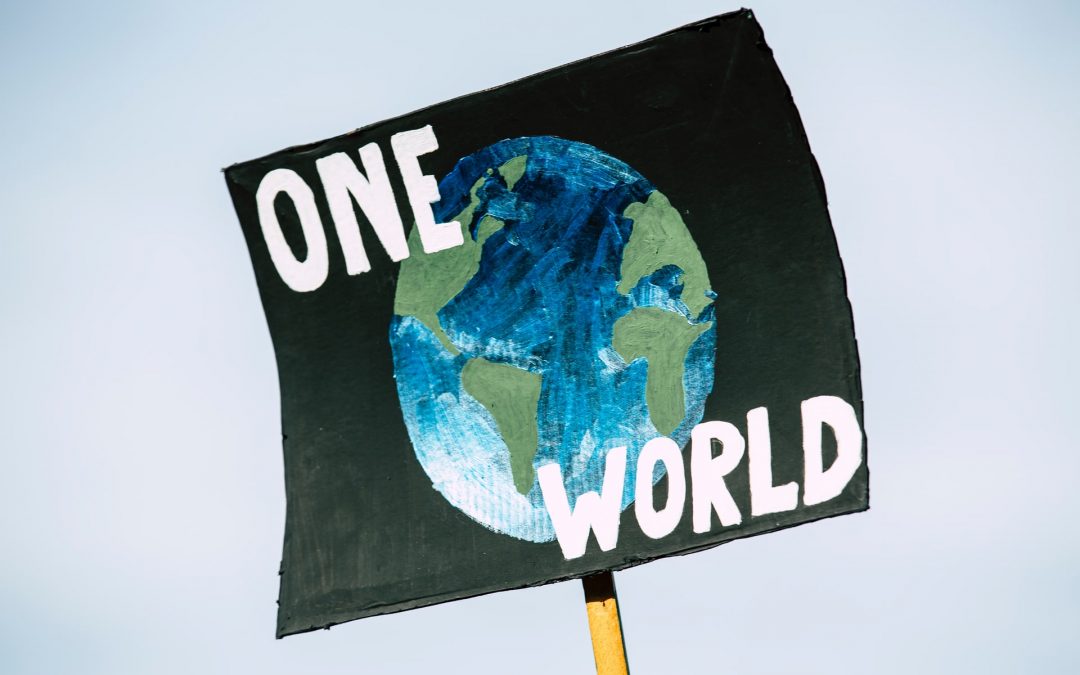
Rising concern about the impact of humanity on the environment led to the first UN conference on the environment in 1972. However, the issue of sustainability itself was barely touched on at the conference, with only one mention in the 80-page conference report. Nonetheless, publications prepared for the conference, such as Only One Earth and The Limits to Growth, as well as the conference itself, led to a much-heightened awareness of the challenges we faced.
Pacific Opera, in collaboration with Creatively United and the Gail O’Riordan Climate and the Arts Legacy Fund, are presenting a series of free outdoor performances in a variety of Greater Victoria parks during the month of June. Experience nature and live... Read more
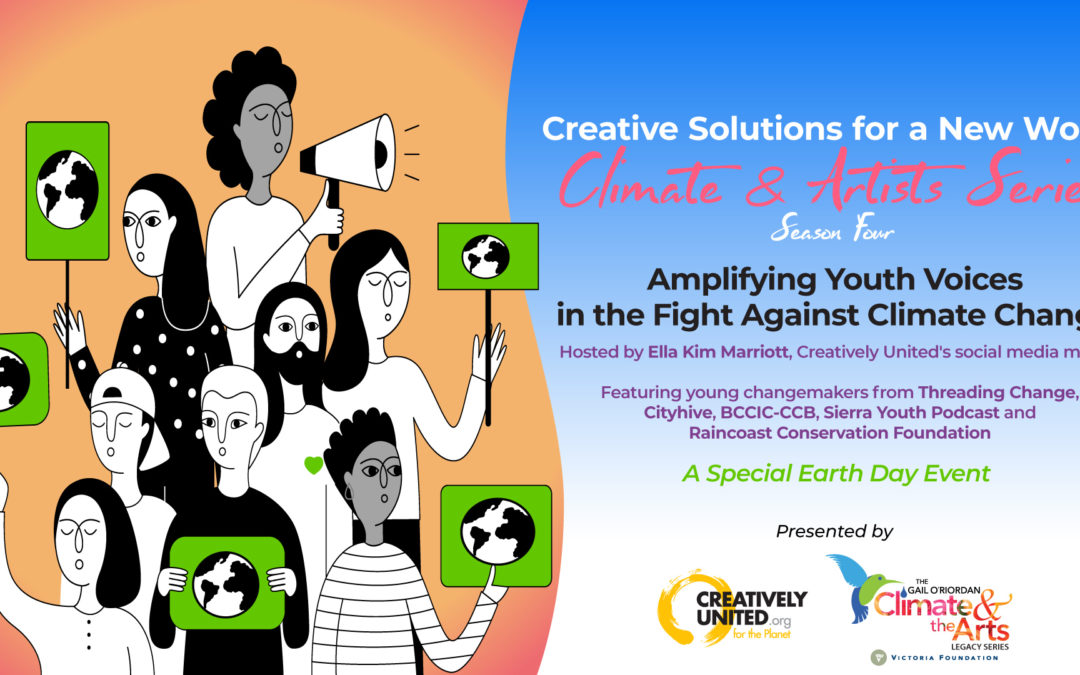
The 10 year anniversary of Creatively United for the Planet’s first Earth Day event was celebrated with an incredible panel of youth voices that featured five young Canadian changemakers working in creative ways to help amplify youth voices…
A few weeks ago, before Russia invaded Ukraine and began committing war crimes that have shocked the world (in a way that should have but, to our shame, did not shock the world when Russia did the same thing in Chechnya and Syria), I was writing about inequality and health in the context of creating a wellbeing society.
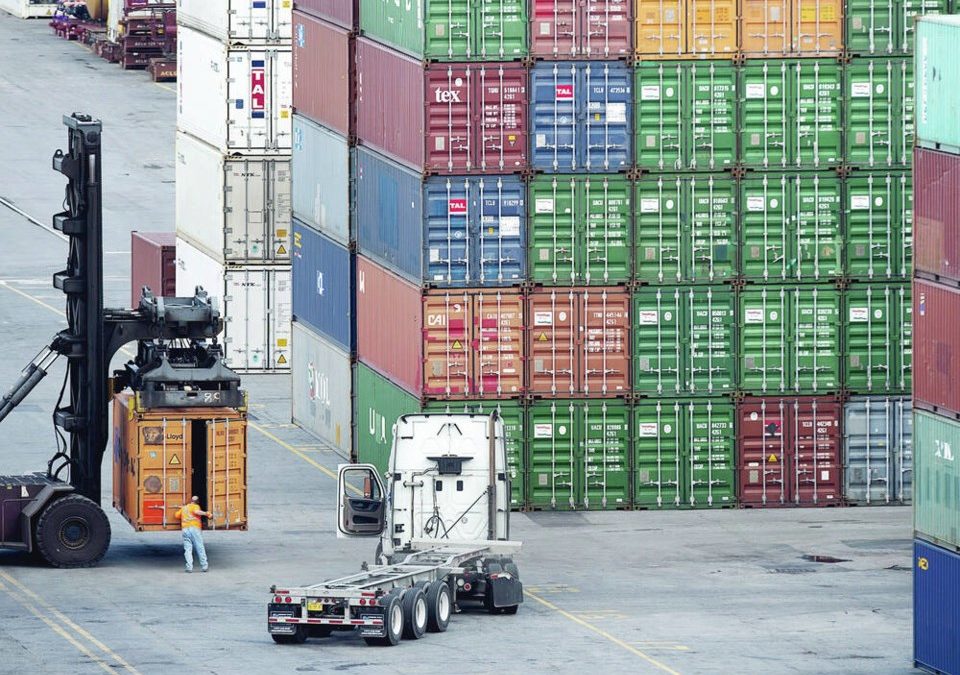
We have just witnessed another Black Friday and Cyber Monday, an orgy of consumerism that kicks off the Christmas shopping binge. Every year, it seems, the consumption-fest gets worse, hyped by a marketplace that encourages greed and over-consumption because it desperately wants us to purchase more and more stuff.
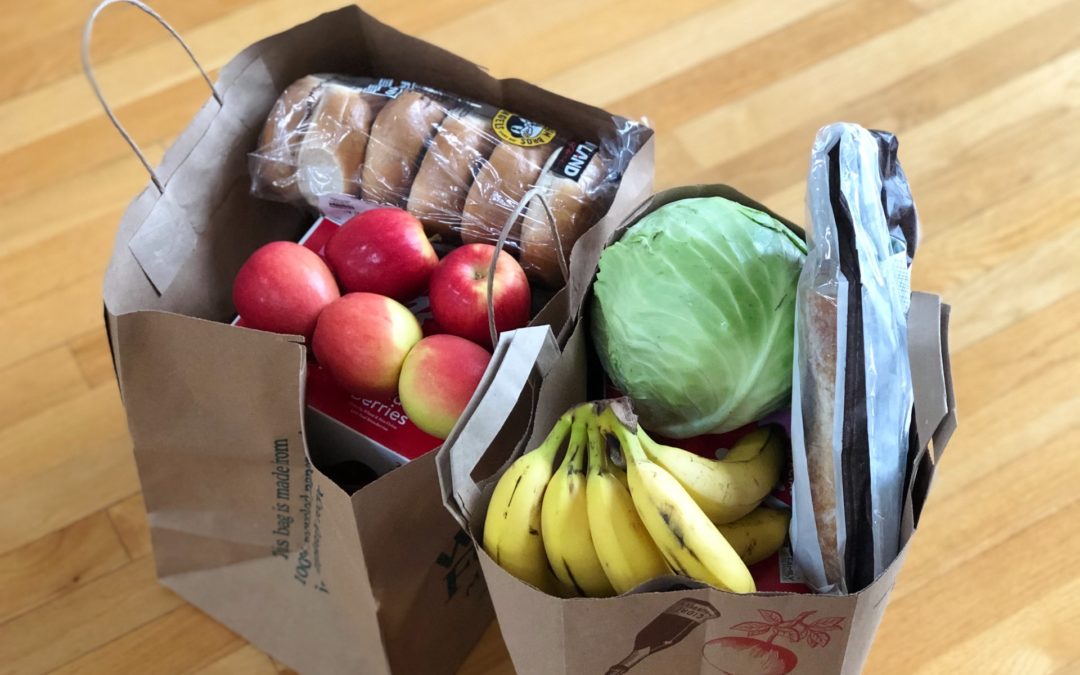
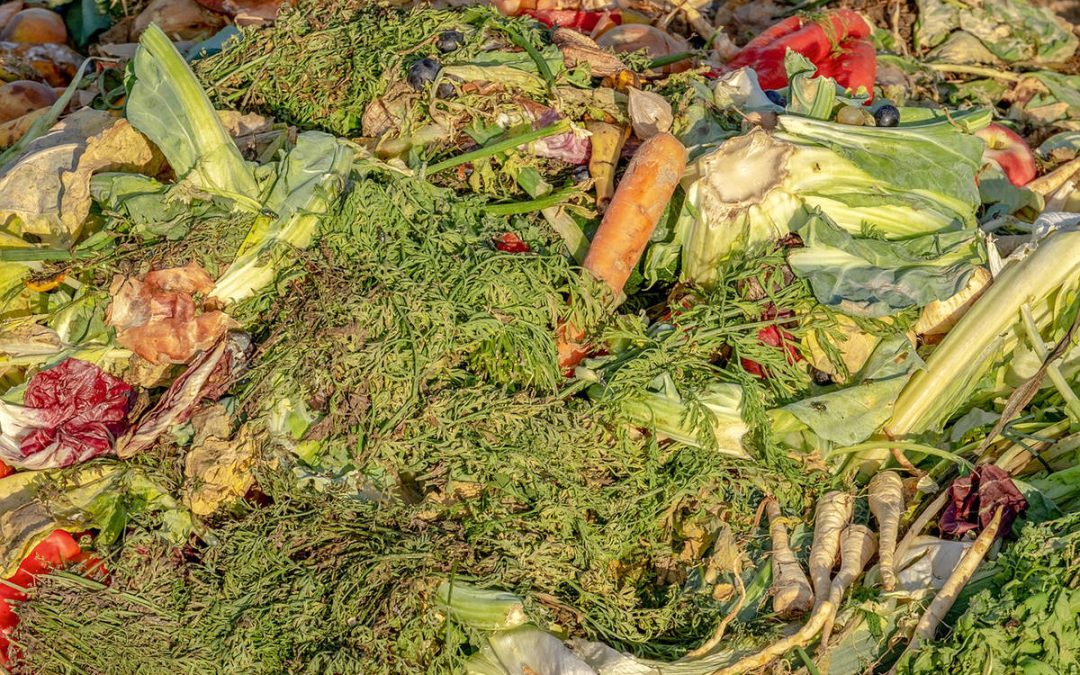
Over 50 percent of the food waste in Canada is avoidable. This means that half of Canada’s food waste could have been saved and used to feed people. Not only is food waste a lost opportunity to feed someone, but rotting food in landfills emits methane and... Read more
It comes as a surprise to many people, including health-care professionals, that the health-care system has a large ecological footprint. But as I noted last week, if the global health-care system were a country, its carbon emissions would have made it the fifth-largest emitter on the planet, according to a 2019 report from Health Care Without Harm.
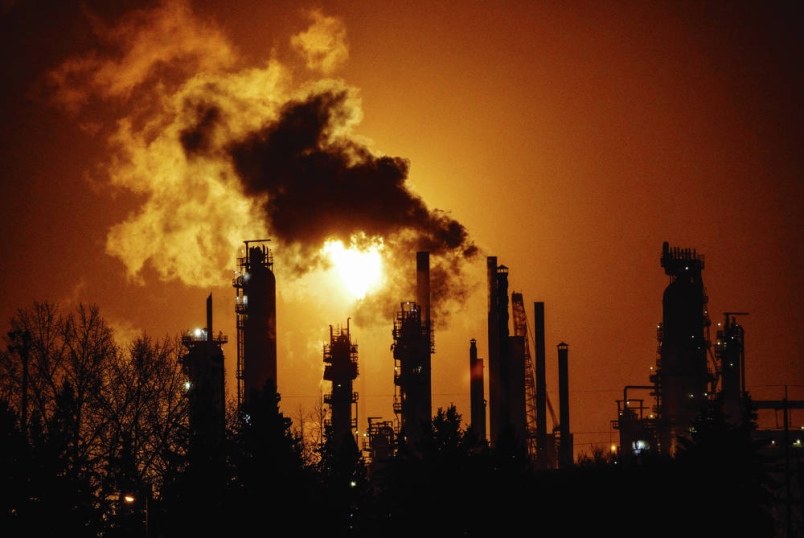
Courtesy of the Times Colonist Photo: A flare stack lights the sky from a refinery in Edmonton. The pathway to net zero is tough, but doable, argues Trevor Hancock, and brings many social, economic, ecological and health co-benefits, as reports from the... Read more
Modern, industrialized economics strives for endless growth. The social policies they promote lay waste to natural systems and exploit vulnerable populations. The result is global crises and disruptions. Renegade economist Kate Raworth brings a counter vision of human... Read more
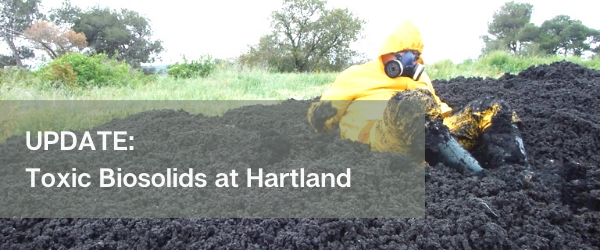
On June 16, the CRD’s Environmental Services Committee passed a motion to request the Province to end land application of biosolids at Hartland. This motion will be submitted for approval to the full CRD Board on July 14. This motion was a result of public pressure... Read more
Esquimalt Council adopted a checkout bag bylaw this week. The bylaw will go into effect on August 13, 2021. After this date, there should be no free bags of any kind given by retailers in the municipality. Only paper and reusable bags will be allowed, and the retailer... Read more
On other matters related to the Landfill and Mount Work Park, MWC has become an active member of the Peninsula Biosolids Coalition–a group formed to oppose the spreading of biosolids at Hartland Landfill. Biosolids are a dried, processed product produced from sewage... Read more
The CRD’s revised Solid Waste Management Plan, modified after consultation with the public, including the Mount Work Coalition, was adopted by the CRD Board on May 12. Among the changes to the original Plan were the following (taken from the CRD document “Proposed... Read more
Much as I support circular and doughnut economy concepts, I am concerned that proponents often focus on recycling. Far more important is a conservation ethic which encourages overall resource efficiency. It is sometimes called “reduce, reuse and recycle”... Read more
Attaining carbon neutrality will have a profound impact on how we design communities and deal with waste. This webinar includes a number of pioneers who are creating innovative solutions to carbon neutrality and ways to…
It will come as no surprise to fans of the British satirical fantasy writer Tom Holt that economics has something to do with doughnuts. In his YouSpace series, a doughnut is the wormhole to an alternate reality, a parallel universe inhabited by elves, goblins, gnomes, dwarves and other fairytale characters who are ripe for exploitation.
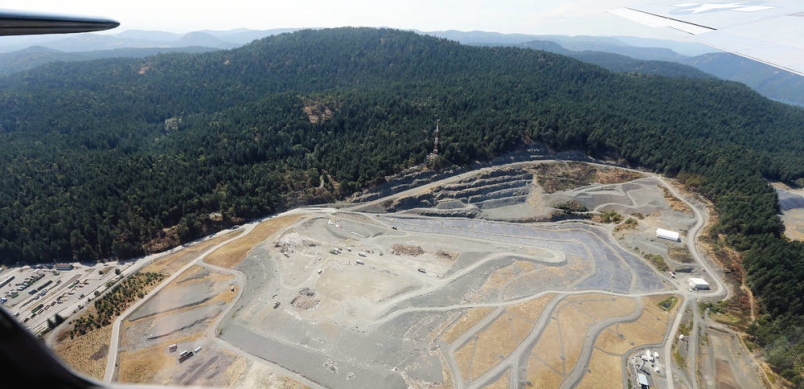
Did you know that 73 acres of precious urban forests situated next to our Hartland Landfill are slated to be destroyed in order to provide a bigger hole for more garbage? In an era of climate crisis, we, the Dogwood South Island Regional Team (SIRT) feel this is... Read more
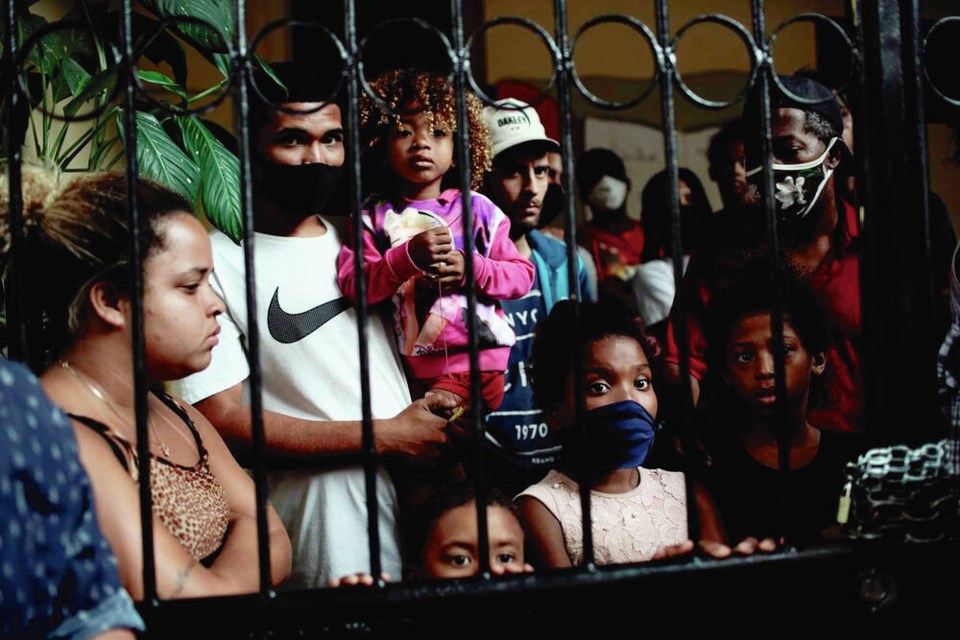
The disparity between food waste and food insecurity is a somber phenomenon. Estimates from the United Nations report a rise in global food production of up to 300 per cent over the past 50 years whereas the number of people experiencing food insecurity has risen by... Read more
Last week, I quoted from a Dec. 2 speech by UN Secretary General Antonio Guterres on the state of the planet. It made for grim reading, but it is the reality we need to face. Mr. Guterres did not end on a pessimistic note, however. Instead, he pointed to many indications of opportunity and hope.
The following are a sampling of climate action-related updates, activities or reports from an active Fall 2020, both internationally and closer-to-home: Internationally: On December 2, 2020, UN Secretary-General Antonio Guterres presented a sobering State of the... Read more
I suggested last week that our society is remarkably immature in its approach to life. Central to this is an exaggerated form of individualism that has achieved a cult-like status. With that comes an acquisitive, greedy and selfish culture that really doesn’t care about other people or about nature.
A lot of what we acquire — all that “stuff’’ — ends up as solid waste, while inefficient energy use leads to high levels of energy waste. Not only does this contribute to excessive use of resources — with all the pollution and energy use associated with their extraction, processing and distribution — but it fills our landfills and pollutes our local environment or, if we export it, other people’s environment.
In 2019 Esquimalt council committed to a 30% reduction in greenhouse gases by 2030 and carbon neutrality by 2050. To help meet this challenge, Esquimalt plans to eliminate all waste going to the Hartland Landfill by gasifying 91% of its waste stream which is not... Read more
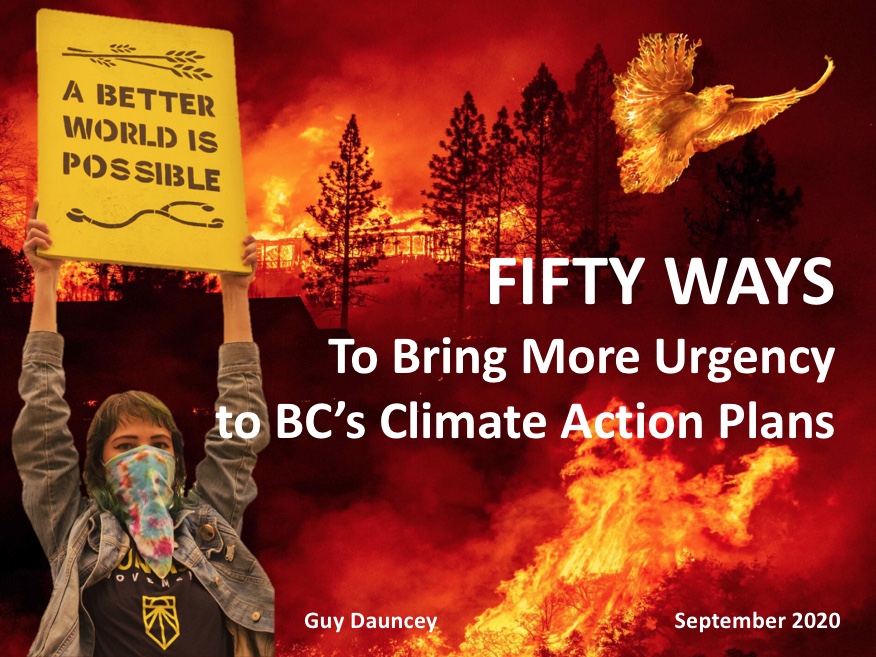
“We are facing a disaster of unspoken suffering for enormous amounts of people, so please, treat the climate crisis like the acute crisis it is, and give us a future.” – Greta Thunberg For years, Guy Dauncey has tirelessly warned of the urgency of tackling the climate... Read more
Last week I discussed Prof. Rick Kool’s point that we live on an island — but we don’t act as if we do. Almost all our food, all of our fossil fuels, much of our electricity and much else is imported. The implication is that we should think about how to be more self-reliant.
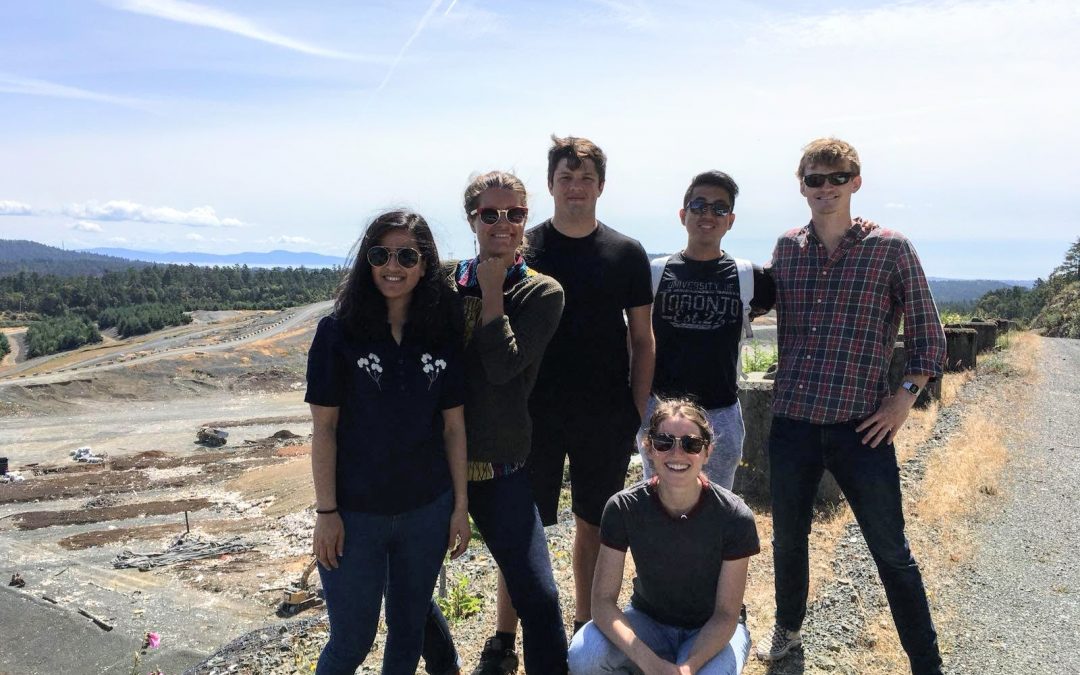
I’m teaching CIVE 410 Solid Waste, Air, and Water Pollution this summer. I am hoping to connect to people working in solid waste, air, and water pollution who may be interested in sharing a short presentation about their work experience with the students.
Everyone wondered how we could possibly feature more than 20 presentations in less than two hours, but we did it! Inspiring stories of innovation, collaboration, community and creativity were shared with both a live and livestream audience worldwide around the theme... Read more
They say we are self-interested, we’re always out to win. Always individualistic, though it used to be a sin. They say we need free markets, the better to compete, and the economy will flourish if we only think of greed. This is Economics 101, the way it’s taught... Read more
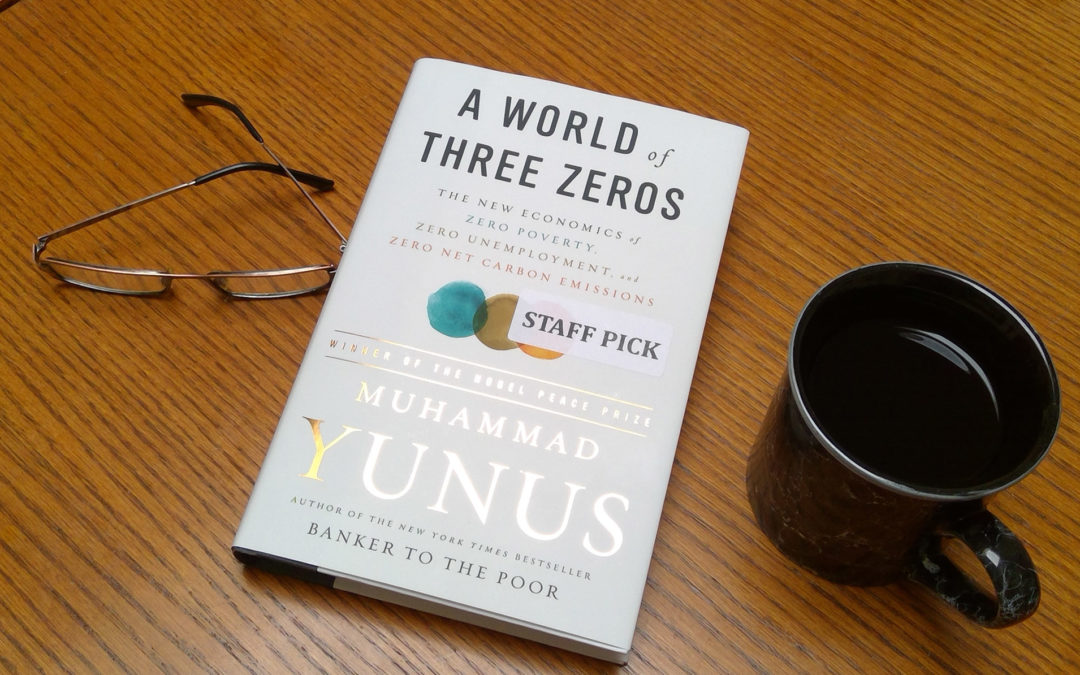
For those invested in creating a viable, sustainable, inclusive economic alternative to the current dysfunctional status quo, a must read is Muhammad Yunus’s latest book A World of Three Zeros. Dr. Yunus, a native of Bangladesh, economics professor and founder of... Read more