
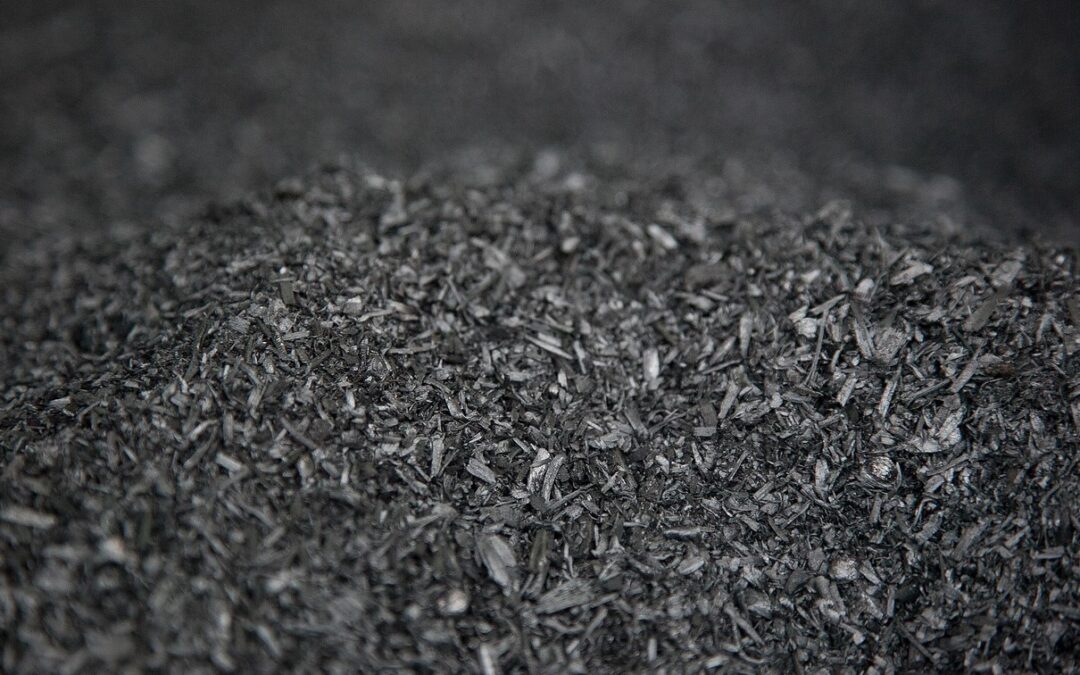
Thanks to the efforts of the Peninsula Biosolids Coalition, a non-profit citizen’s group, plus numerous individuals, businesses and other proponents for integrated resource management (including Creatively United for the Planet Society), the CRD is now considering new technology for thermal conversion of highly toxic biosolids that are produced by the ton daily, collected at the CRD’s Waste Water Treatment facility in Esquimalt and shipped to Hartland and elsewhere.
This technology has been tried and tested and is successfully operating in several countries now, including Logan, Australia. Our CRD would be the first in Canada.
The CRD has a public survey open until 11:55 pm this Thursday, March 5 and is requesting public support.
Here is a link to the survey: https://getinvolved.crd.bc.ca/
This is a multiple win-win situation. The CRD has voted in favour of the project, however, before it can get permits from the Provincial Government to proceed, the CRD needs to do a Public Engagement survey to ensure that the majority of the public are on board with this. Please state in your survey that you are in very strong support of this fossil-fuel-free project using the most current technology. This is not incineration.
To learn more see this short video produced by Creatively United:
Currently, CRD biosolids are being trucked up to Nanaimo daily and are being dumped in a quarry. Some has also been spread in forests. In their current state, biosolids cannot be used in cement production as they are too combustible and can harm equipment.
WIN: By converting the biosolids into biochar, the end product is much safer and the forever chemicals and pharmaceuticals have been destroyed.
WIN: The volume of the end product is reduced by half so there will be a lot less trucking which will greatly help reduce GHG emissions.
WIN: Biochar sequesters carbon and locks it in for hundreds of years and is very safe to store. Biosolids on the other hand, would continue to release CO2 and can only be stored safely for a few days as it can become highly combustible.
WIN: Biochar can be sold as a valuable commodity for soil enhancement, cement making, used in asphalt to improve its resilience. Modern use of biochar includes green building materials, stormwater filtration, water treatment, soil amendment, and odour control, making it a versatile solution for environmental challenges. .
WIN: Once the biochar is in full production, it could be used as a trusted verified carbon credit, potentially worth up to $380,000/year.
WIN: Gases released during heating are captured and reused to fuel the carbonisation process. Remaining gases are treated through air management systems. Between the re-use of the gases, the sale of biochar and the carbon credits this will greatly help offset infrastructure and operating costs.
WIN: This new thermal carbonisation facility has a very small footprint and will not be highly visible as it is masked by the surrounding trees. Most of the structures are only 5 meters tall compared to the existing structures at the facility which are 15 meters tall. There is practically no odour because it is all done in an enclosed system and the high heating eliminates moisture, producing a dry, odour-free charcoal-like material.