I first came across Joe Brewer’s work some years ago in an article he wrote critiquing the failure of universities to address in a comprehensive manner the complex ecological, social and cultural challenges we face. He began his 2017 article “Why Are Universities Failing Humanity?” with this statement…
I have spent the last couple of months exploring the global polycrisis and the set of responses — great turnarounds — proposed in the Earth For All report. But what, you might reasonably ask, does this all mean for us here in the Greater Victoria region? How can its concepts be translated into local action?
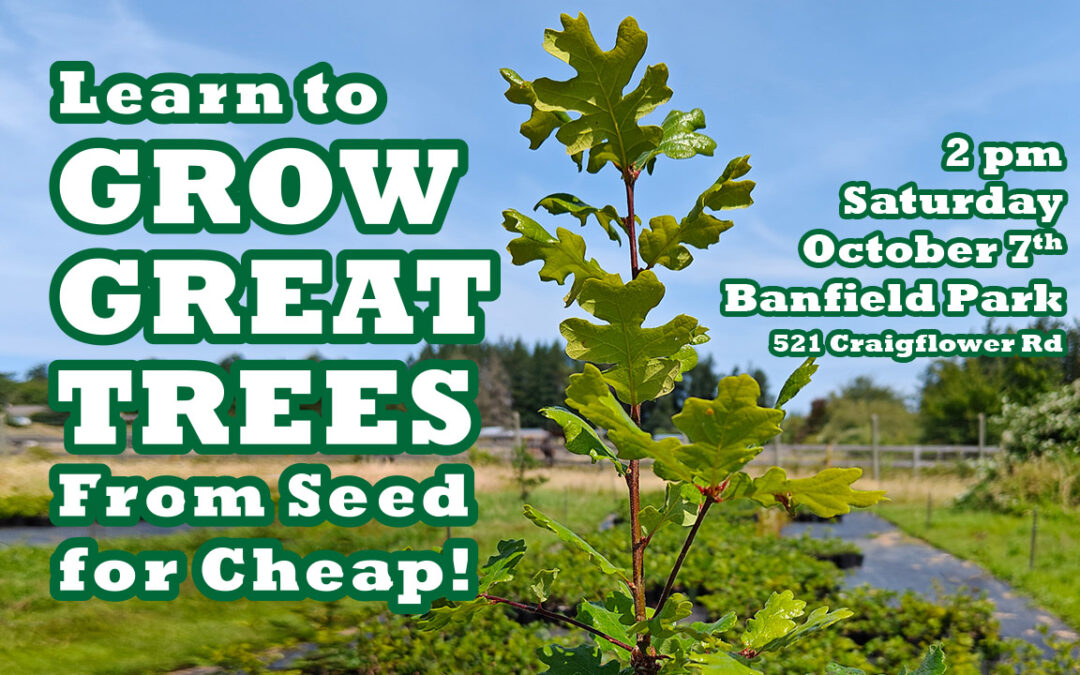
Join professional arborist and commercial and non-profit tree grower, Ryan Senechal, and the Community Trees Matter Network for this fun, practical workshop! Learn where and when to gather seed or cuttings (now is a good time), propagation basics, container culture,... Read more
Last month, a Leger poll showed only six per cent of Canadians blame the country’s onerous housing costs on municipalities. As local government, we must remember we are the most powerful level of government for affordability and environmental sustainability because of... Read more
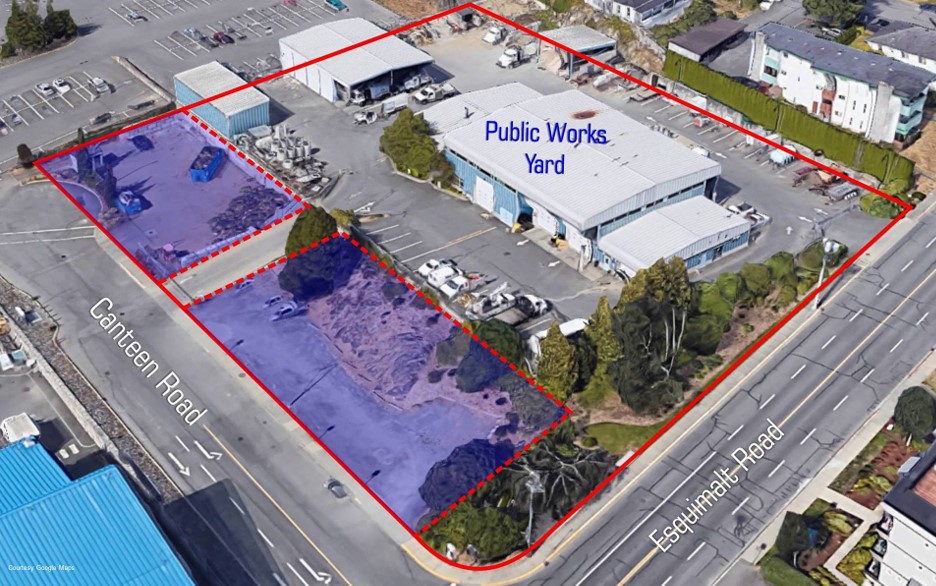
In 2019, a major step forward for climate leadership was taken by the Township of Esquimalt Council with potential far reaching outcomes for Canadians. A report was commissioned to explore the feasibility of thermally converting municipal solid waste( garbage) into... Read more
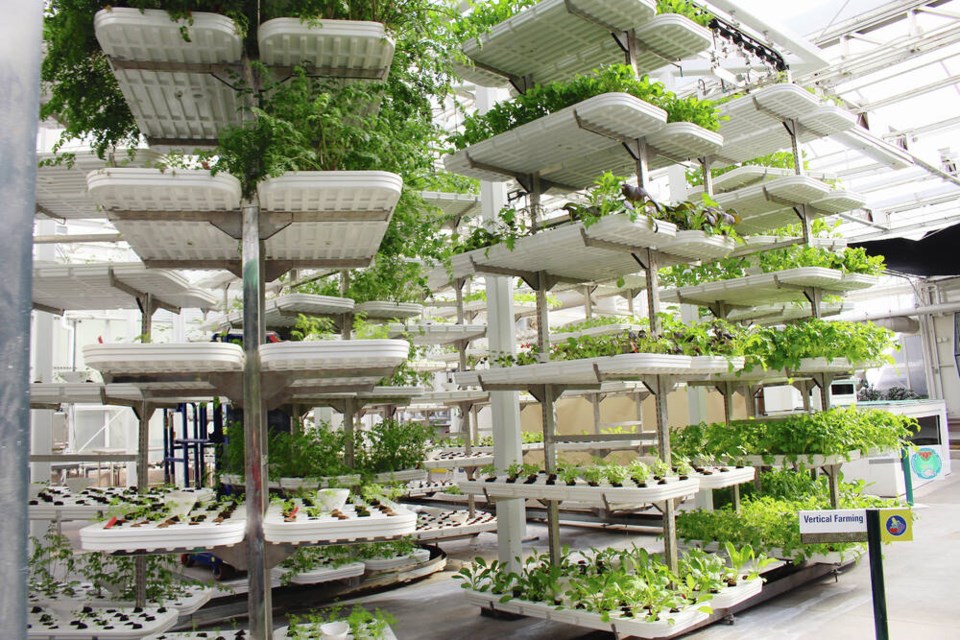
The first three of the five “great turnarounds” in the Club of Rome’s “Earth for All” report address different aspects of inequality. But the final two, to which I now turn, are concerned with two of the most fundamental determinants of our health: food and — next week — energy.
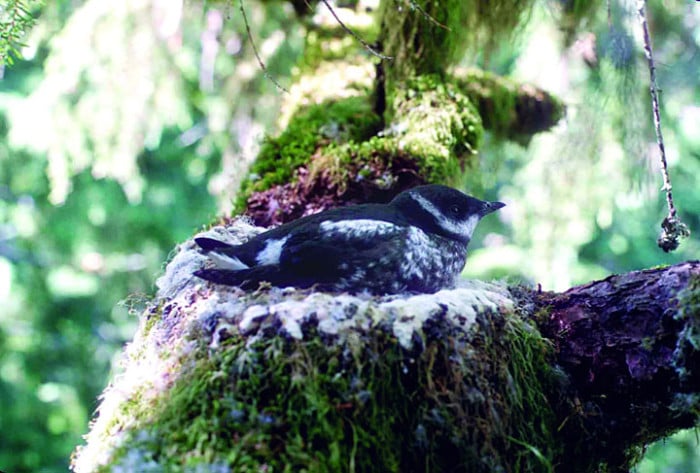
We are an organization of concerned community members and scientists who have recently filed an Action in the Supreme Court of British Columbia to save the Marbled Murrelet (MaMu) and its nesting habitat, Old Growth trees.
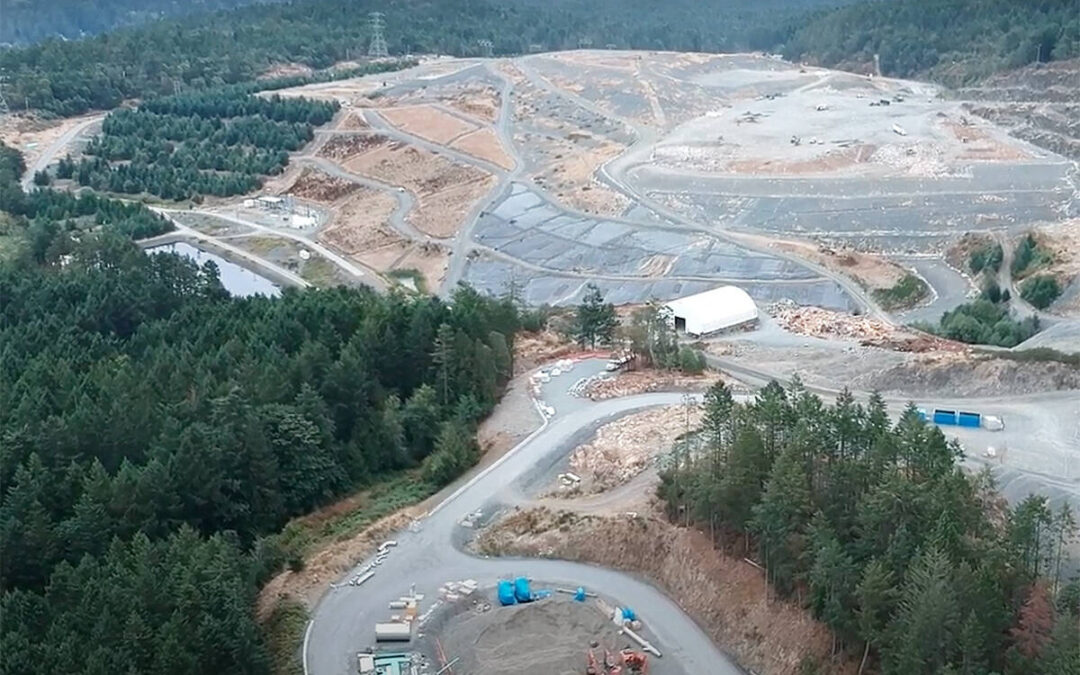
Biosolids are the dried residual of sewage sludge generated from a waste water treatment plant, such as McLoughlin Point in Esquimalt, BC. Biosolids contain toxic chemicals and micro plastics which do not break down in the environment – hence their name, ‘forever... Read more
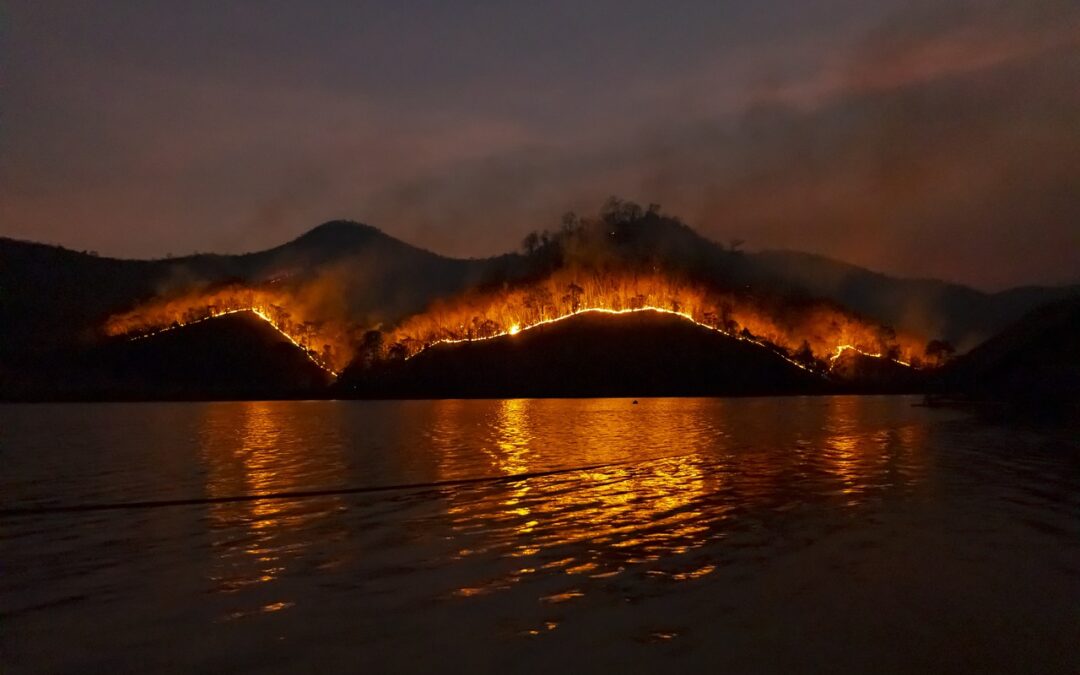
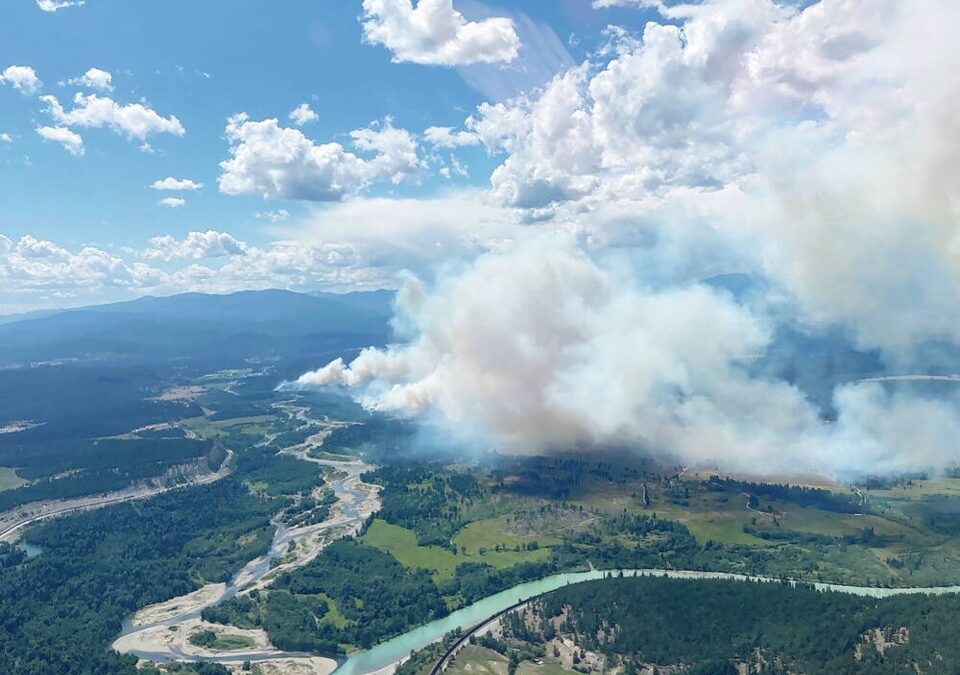
Eby Fiddles While BC Burns BC is on fire and you, Premier Eby, are busy fiddling while our forests burn. Your commitment to protect old-growth forest has gone up in flames just like 1.5 million hectares already burned this season. With more than 1,200 fires since... Read more
You may have seen the news about devastating wildfires raging in Hawaii right now, with one town (Lahaina) being burnt down almost entirely. With wildfires happening across Canada this summer, displacing people in BC, Alberta and Nova Scotia, it’s hard to not feel... Read more
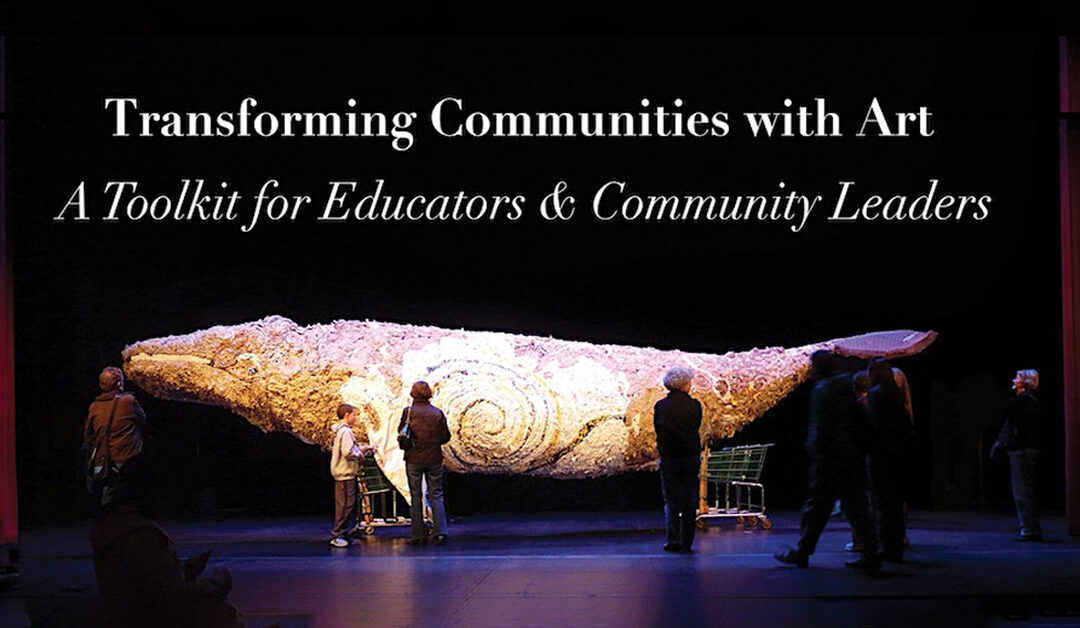
This Masterclass explores the transformative power of art and how it can create change in your school, community, city, and beyond! Are you struggling to create real impact in the communities you serve? In this free 3-day virtual workshop we will give you the tools... Read more
Residents throughout BC were recently asked to start conserving water. Bowinn Ma, our new minister of emergency management and climate readiness, said water supply is already extremely low in much of the province. All of Vancouver Island is now at Drought Level 5, the... Read more
My recent columns have emphasised that we urgently need a rapid transformation of the major systems that make up society and underpin today’s dominant culture. Not only will this transformation protect the Earth systems we depend upon for our wellbeing, indeed our very survival, it will lead to improved wellbeing and quality of life.
What does it mean? What can you do about it? What does it mean? Earth overshoot day is the calculated (world bio capacity divided by world’s ecological footprint) calendar date representing the point in a given year when we’ve used up all of the natural resources that... Read more
The polycrisis, according to the UN and Cascade Institute, includes the climate crisis, war, extreme economic inequality, financial system instability, ideological extremism, pernicious social impacts of digitalization, cyber attacks, mounting social and political unrest, large-scale forced migrations and an escalating danger of nuclear war…
A 2009 publication by Johan Rockstrom and his colleagues at the Stockholm Resilience Centre identified a number of key Earth systems fundamental to natural processes and human wellbeing, and “thresholds which, if crossed, could generate unacceptable environmental change” were identified.
More than a decade ago, a group of Earth system scientists developed the concept of planetary boundaries. They identified a set of a dozen or so Earth systems and proposed thresholds for each system beyond which it was likely that the system’s stability and resilience would be compromised.
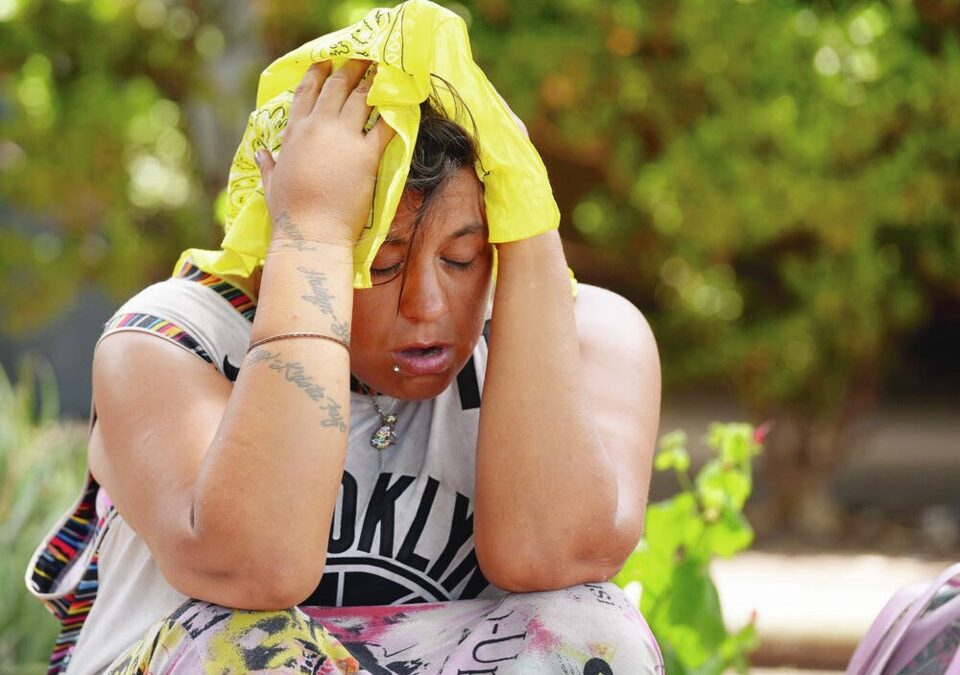
On June 12, Bill Blair, federal minister of Emergency Preparedness, said Canada is in the midst of its worst wildfire season in the past 20 years — and it was only mid-June. Then in a June 20 news release, Environment and Climate Change Canada said we can expect “higher-than-normal temperatures [in] most of the country until at least the end of August.”
As summer is fast approaching, we (Elders for Ancient Trees, Stand.earth, Sierra Club BC, Wilderness Committee) ask for your continued support to keep the pressure on the BC NDP Government to follow through on its promises and work with First Nations to protect... Read more
A total of $1,000 was handed out to the winners of the One Planet Student Challenge competition during a ceremony at the Cedar Hill Golf Course on June 8. Part of the One Planet BC initiative, the challenge is in collaboration with the District of Saanich and... Read more
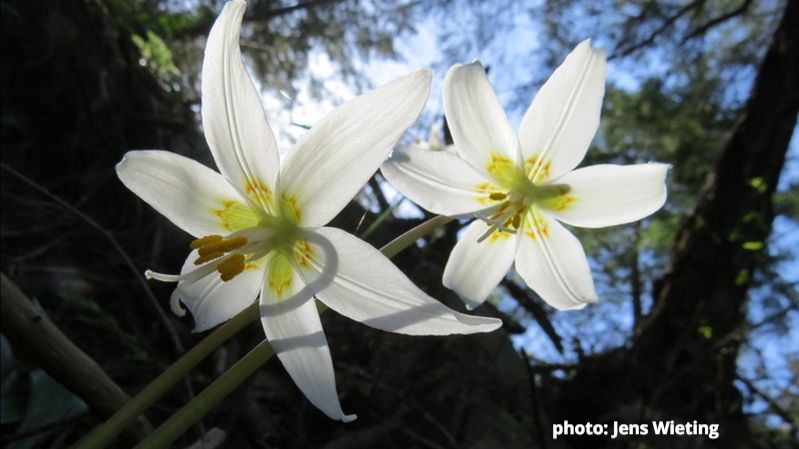
We’re on the cusp of seasons changing, saying goodbye to spring and moving into summer. Farewell fawn lilies, orchids, shooting stars, flowering red currant. Welcome sword ferns unfurling towards sunlight, the delicate white bottle brush flowers of vanilla leaf,... Read more
Last week I discussed some of the problems that result from our focus on the economy rather than on ecologically sustainable human and social development. This week, I turn to a more in-depth exploration of the impacts of continual economic growth, and in particular the way in which growth, if unchecked, will dramatically increase inequality.
It’s been three weeks since the RBC AGM and our national fossil fool’s day mobilization. What did we collectively achieve, and what’s next? We went from 8% of shareholder support to … 26% At last year’s RBC AGM, a single resolution called for the bank to clarify its... Read more
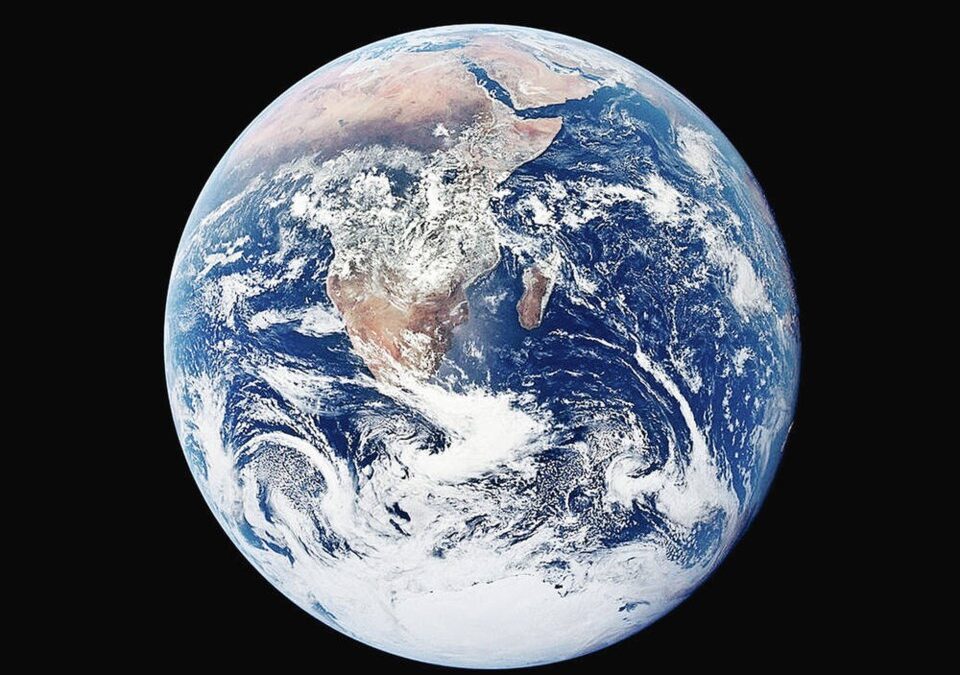
I recently came across an eloquent and powerful passage by Carl Sagan, the famed cosmologist, written in response to an image of Earth taken by Voyager 1 in 1990, from beyond the planet Neptune. The Earth was just a pale blue dot, which inspired the title of his 1994 book from which the following passage is quoted. Sagan wrote: “You see a dot. That’s here. That’s home. That’s us…
Highlighting actions and events related to art, nature, and social justice happening in Victoria, in BC and remotely! Check out the events below and browse the Community Events Calendar for more! What is Earth Week? • The first Earth Day, inspired by protests of the... Read more
This is a key moment for us to ensure the many plants and animals that call B.C. home can thrive. And you can help! Local governments have the power to adopt or amend bylaws that support greater biodiversity, and it is up to us residents to urge them to take action.... Read more
Whenever I write about the problems of economic growth and our ecological footprint, I get emails asking why I don’t also address population growth. The short answer is that I have, on several occasions. The longer answer, as I wrote in a July 2018 column on this topic, is that the issue is complex, and the solution not just a matter of family planning.
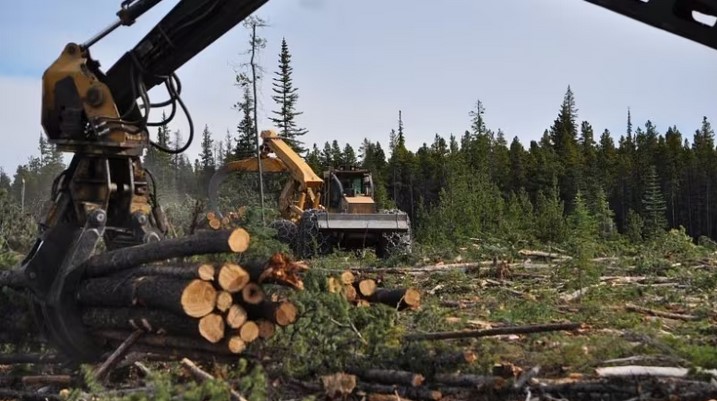
Courtesy of the CBC Photo: A timber operation in the Cariboo. B.C. passed amendments to modernize forestry legislation last year, including laying the groundwork for a new system of 10-year forest landscape plans to be developed in partnership with First Nations.... Read more
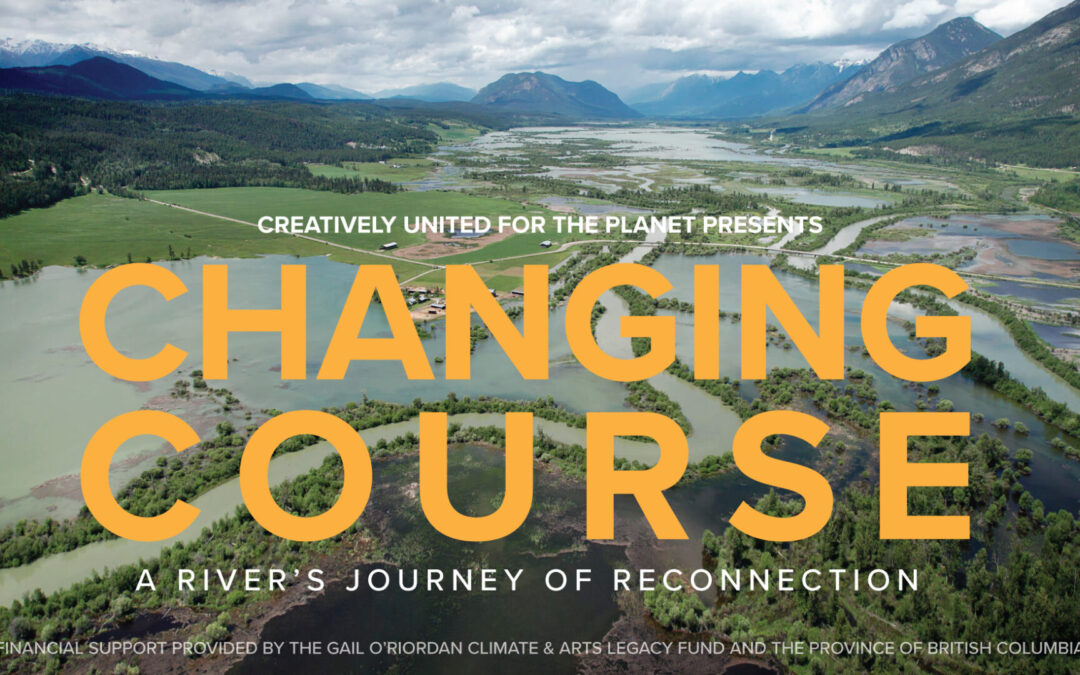
Special Film Preview Creatively United for the Planet, in partnership with Climate and the Arts, presents the special Earth Day preview of our newest film, Changing Course: A River’s Journey of Reconnection. This 60-minute documentary features stunning footage by... Read more
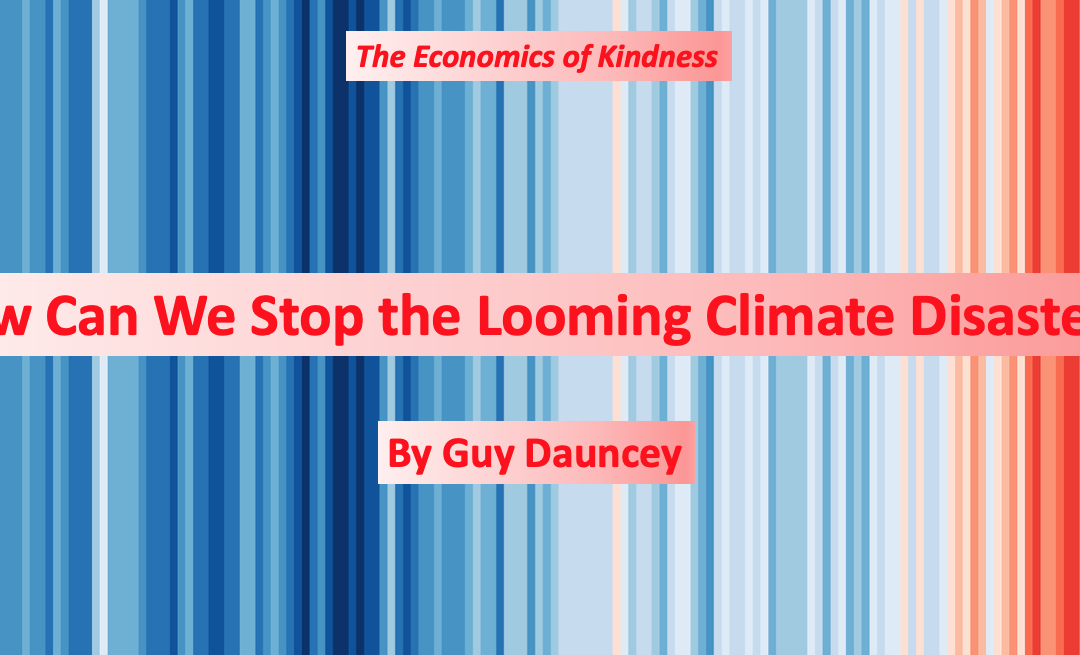
So much has been written about the urgency of the looming climate disaster that I’ll skip straight to the solutions. I am a climate alarmist, just as Churchill was a Nazi alarmist in the 1930s. But I am not a climate doomer. I am of one mind with Paul Hawken, author... Read more
Given that we only have one planet, we need to live within the carrying capacity of the global ecosystem that is Earth. Yet as I noted last week, Canada’s ecological footprint per person is equivalent to using 5.1 planet’s worth of biocapacity and natural resources every year.
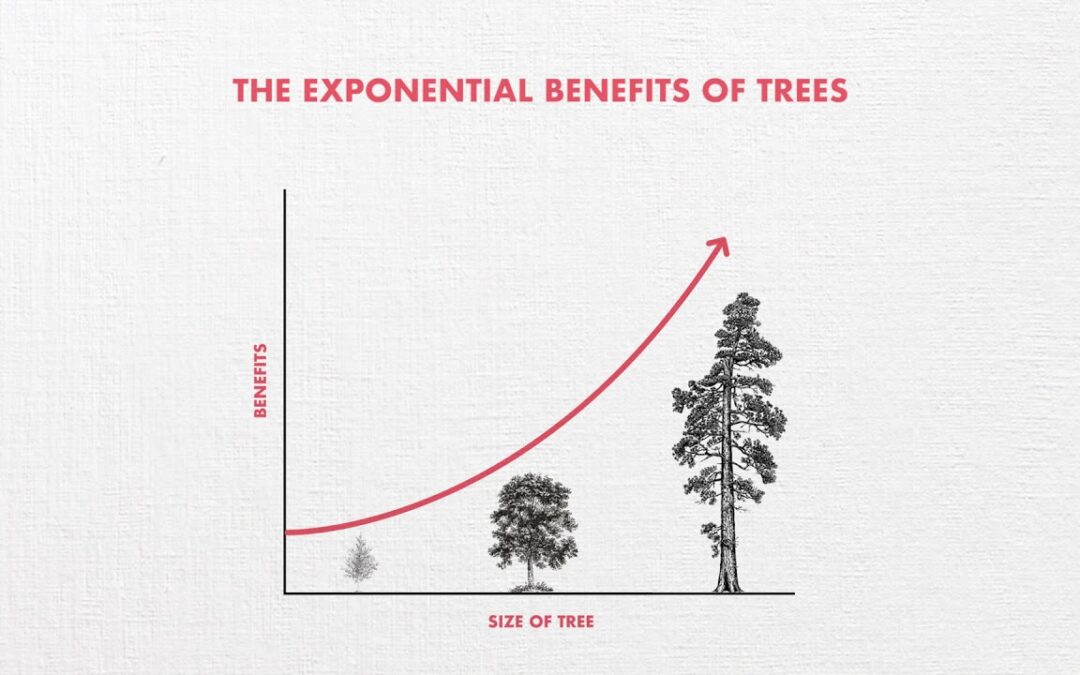
Photo credit: Nikki/Flickr The Victoria-based Community Trees Matter Network has created this handy letter to cut and paste, and send to Victoria City Council, or the officials of your choice, in an effort to protect and enhance urban trees and forests. The Letter:... Read more
Just a few days ago, Canada overshot its fair share of Earth’s biocapacity and resources, as measured by the ecological footprint in 2018, the latest year for which data is available. By March 13, Canada had already consumed its fair share of the Earth’s bounty for the year. Collectively, humanity passed its 2022 Earth Overshoot Day on July 28.
This is a good summary of the main points of the IPCC report released yesterday. The new analysis, a synthesis of six previous reports by the United Nations’ climate group, presents a mixed picture of the world’s fight against climate change. Here are three takeaways.
“Our forests are foundational to B.C. In collaboration with First Nations and industry, we are accelerating our actions to protect our oldest and rarest forests.” These are the words attributed to you, Premier Eby, in the February 15, 2023 government press release... Read more
Unlike the rest of BC, where the majority of land is under public management, 80% of the Coastal Douglas-fir zone is privately owned. Thus land protection is one of the most common conservation approaches, but is it sustainable?
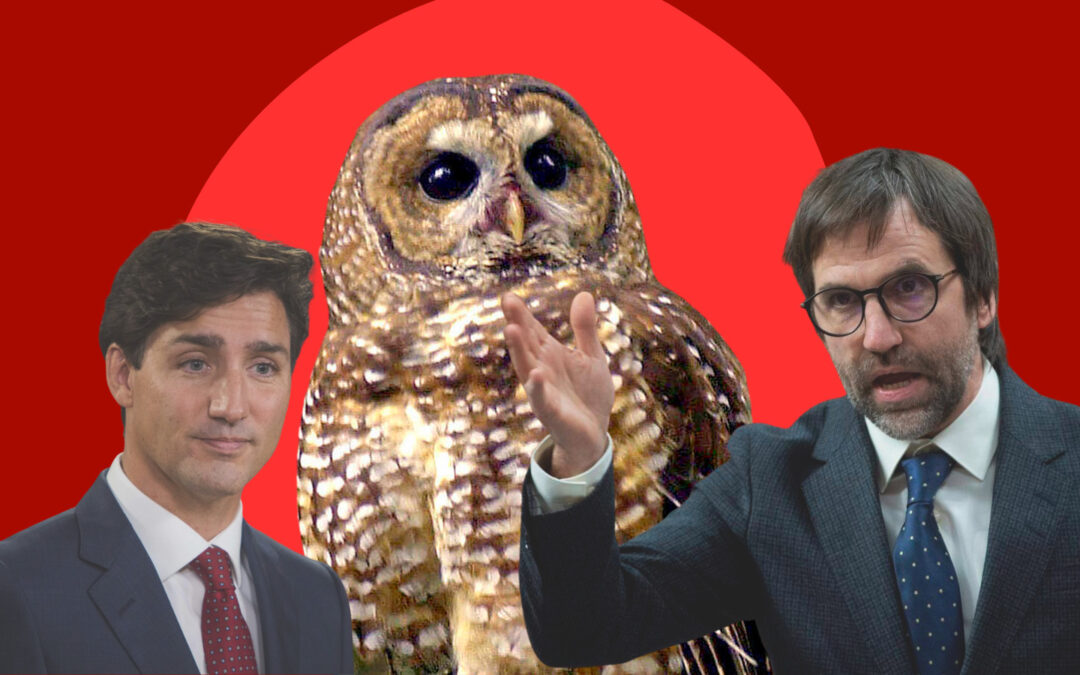
Please support the Federal Government in passing the emergency order to save the spotted owl. We need the Feds to take this on because BC doesn’t have species-at-risk legislation. Maybe the spotted owl’s right to survive can save some of our forests.... Read more
One of the planet’s most magnificent forests is the Coastal Temperate Rainforest of North America. The biggest parts of it are in the Canadian province of British Columbia, where logging companies are still clearcutting some of the last pockets of Ancient... Read more
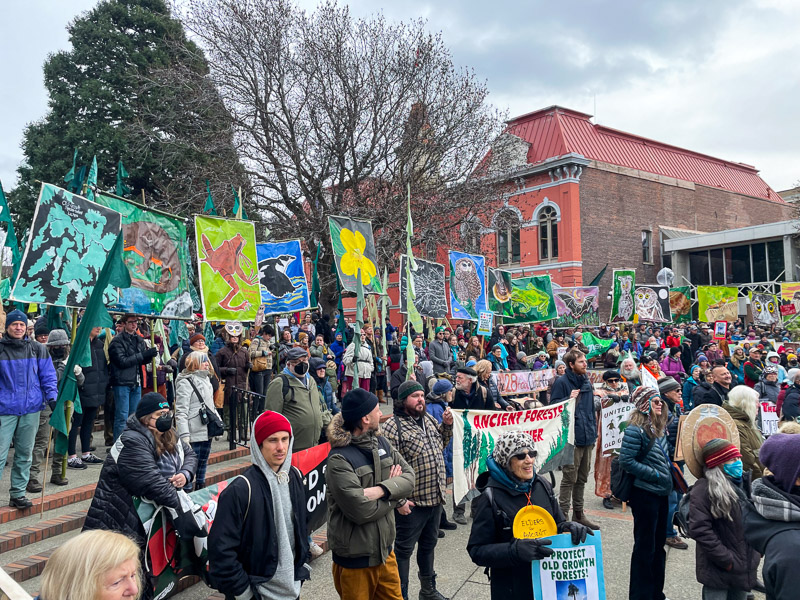
Thousands of people from all over Vancouver Island and the Mainland braved the cold to show their support for protecting and preserving British Columbia’s at this week’s Old Growth Forest Rally. Douglas and Government Streets in Victoria were closed down for more than 45 minutes as people streamed in filling the streets from the length of City Hall to the Parliament Buildings.
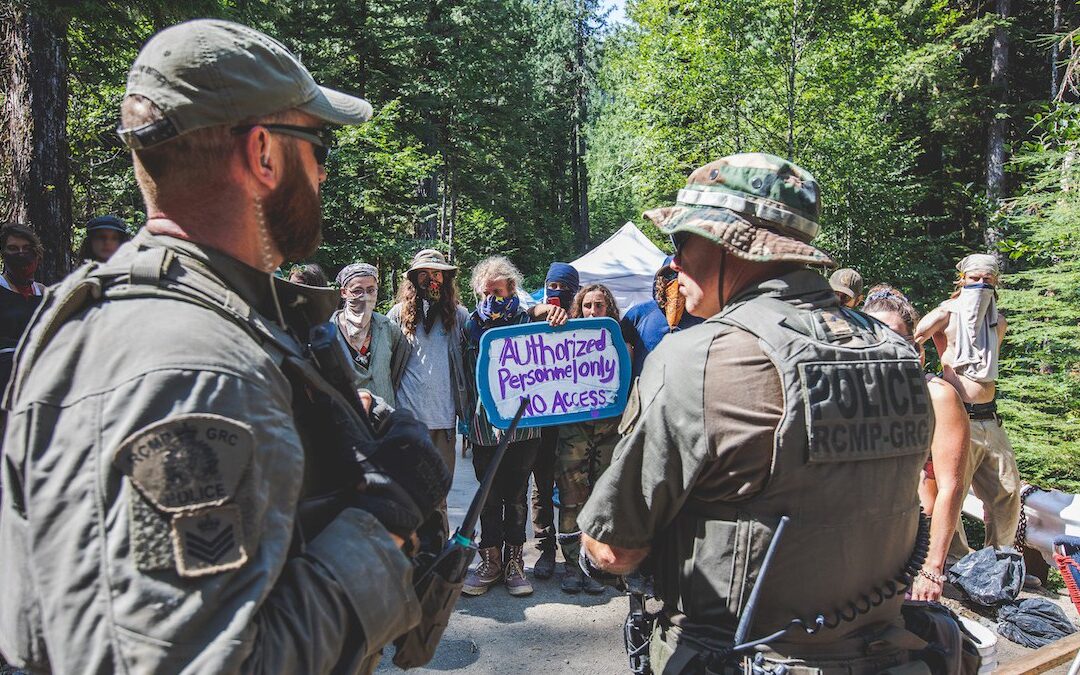
C-IRG emulates and supports a structure of quasi-fascism within Canadian government and policing, however many citizens are unaware of this government funded group. This post hopes to raise awareness and gain community support.
Many people are either contributors or beneficiaries of one or more of the pension plans reviewed by Shift Action for Pension Wealth and Planet Health in their inaugural Canadian Pension Climate Report Card and as presented in their webinar – Report Card 2022 —... Read more
This event, featuring Anjali Appadurai, Seth Klein, Naomi Klein, Juan Vargas Alba (& others to be announced), will be a place to learn more about this campaign and plans to win a Climate Corps (nationally and in BC and Alberta). Plus, we will be debuting an... Read more
The stakes for old growth forests in British Columbia couldn’t be higher. The old growth forest ecosystem in BC is the most biodiverse ecosystem in Canada. Yet today, very little of the original old growth remains, due to the practice of clearcuts, TFLs (Tree Farm... Read more
The Community Trees Matter Network is asking anyone who lives, works, studies, recreates, or would like to help the urban forest in Saanich, BC, to please consider sending this letter to council@saanich.ca, or write your own. This letter could be used as... Read more
Please watch and share our new BC Old-Growth Policy Update by the Endangered Ecosystems Alliance’s Executive Director Ken Wu. Note: it was filmed just before the positive new forest policy announcements by BC’s new Premier David Eby last week, which we... Read more
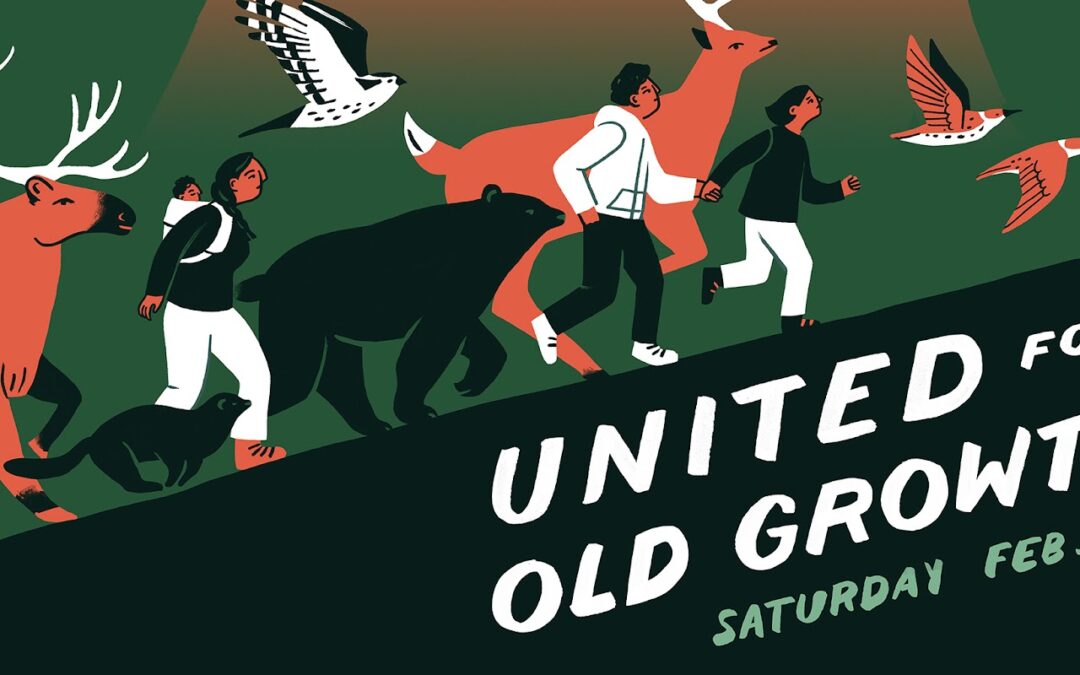
United For Old-Growth March & Rally February 25 Walk: begins at Noon, Centennial Square (lək̓ʷəŋən territories, Victoria) Rally: 1:30-3:30 pm, BC Legislature Dear Friends of the Forests, We’re now moving into the final phase of coming together for the United We... Read more
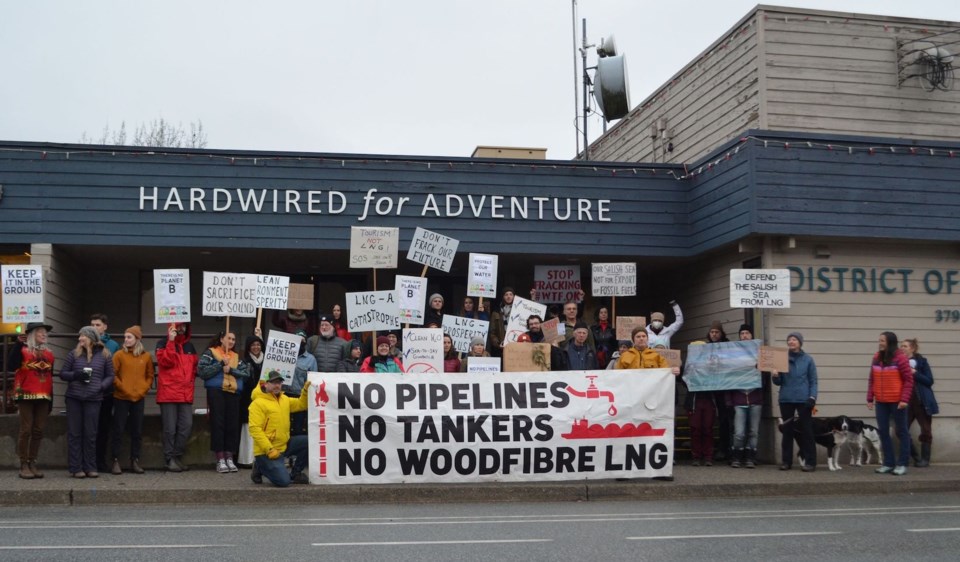
FortisBC and Woodfibre LNG are beginning construction of a pipeline without the proper permits to house their workers safely. The process is an indication of their poor commitment to ensuring the safety of the community and the human rights of Squamish residents.... Read more
An ancient forest is a home to more life than we can imagine. The project of colonization has left less than 3% of what once stood. On February 25 a united movement of thousands of people will be sending a clear message to the provincial government: Keep your promises... Read more
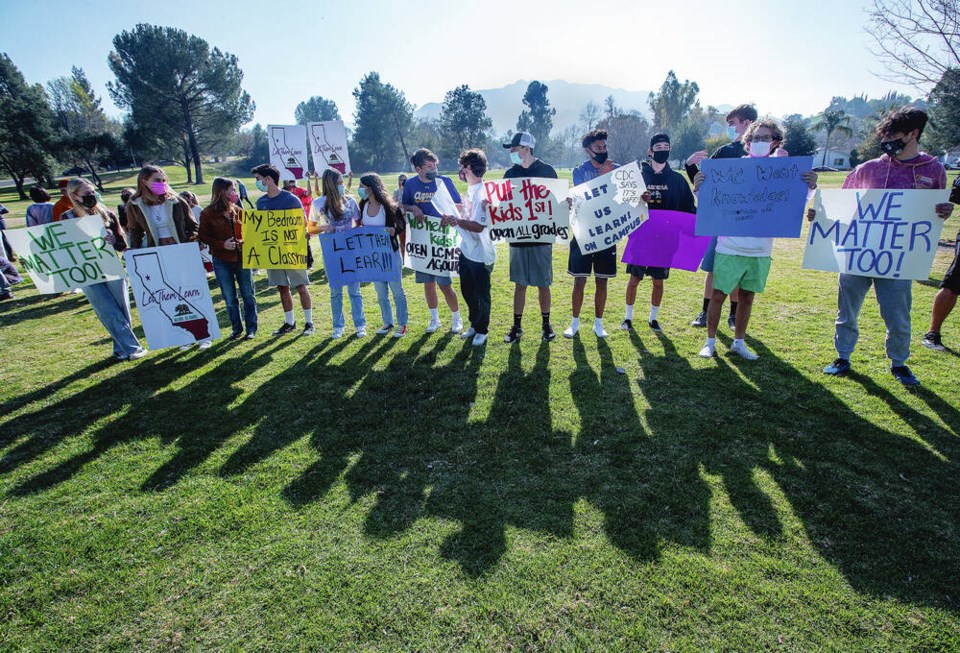
Courtesy of the Times Colonist Photo: Students at a rally in California in February 2021 call for in-person learning. Young people who wrote a recent report for the UN called Our Future Agenda aim to “unleash a new generation” by engaging young people as... Read more