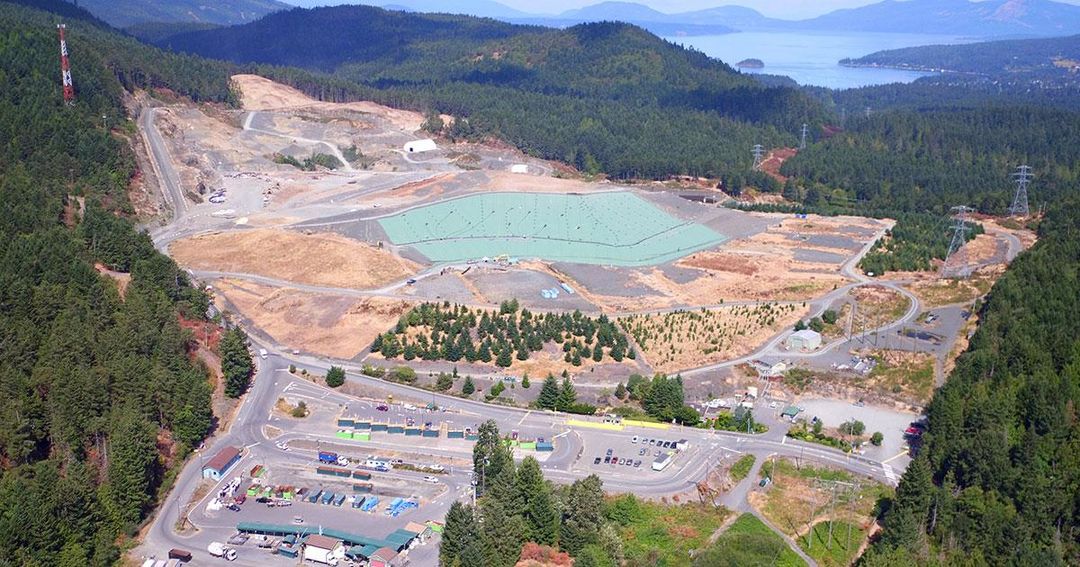
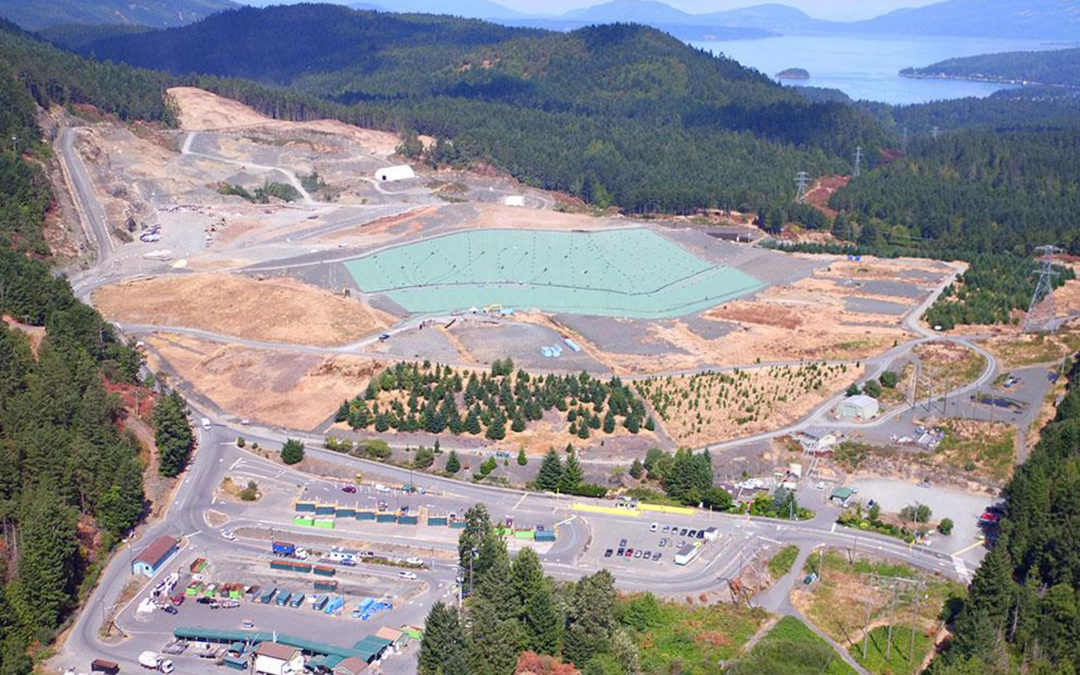
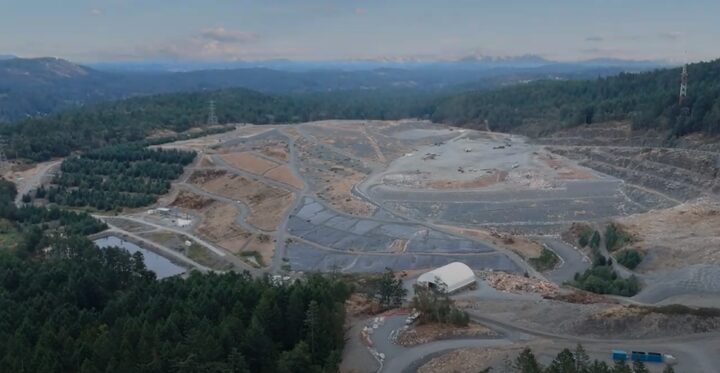
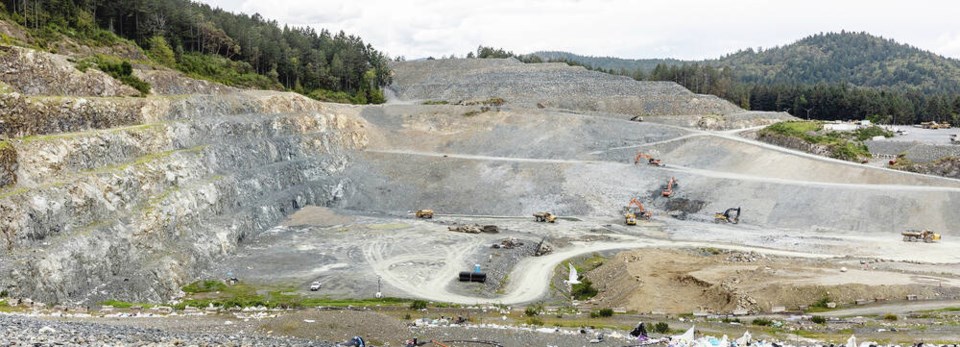
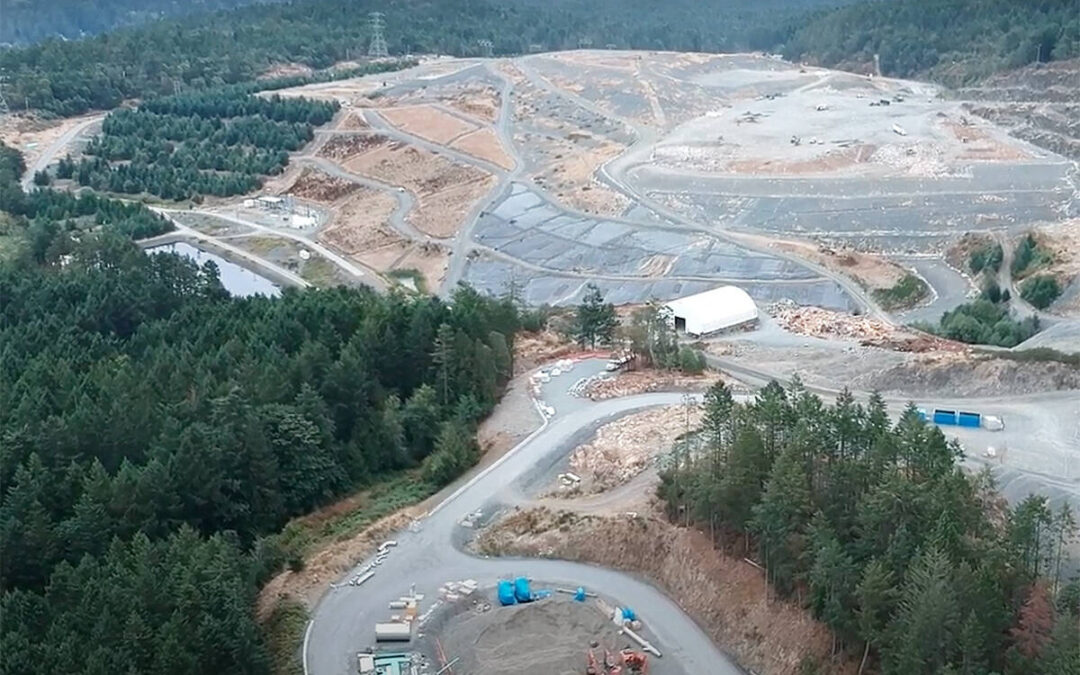
The CRD has been punting its management problem down Hartland Ave. for years. Pressure to resolve the region’s biosolids and other solid waste management plan has resurfaced as construction plans to increase capacity at the landfill are underway.
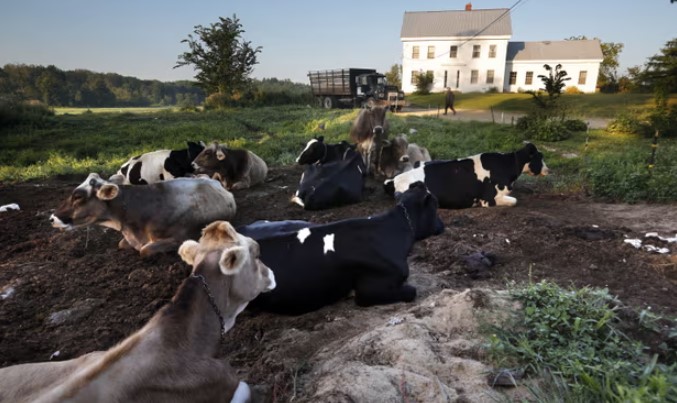
Dear CRD Chair and Board, Let me begin by thanking you all for your continued support for the popular and longstanding ban on the land application of biosolids in the CRD. This is just a quick note to share a news story from the Guardian about a community group suing... Read more
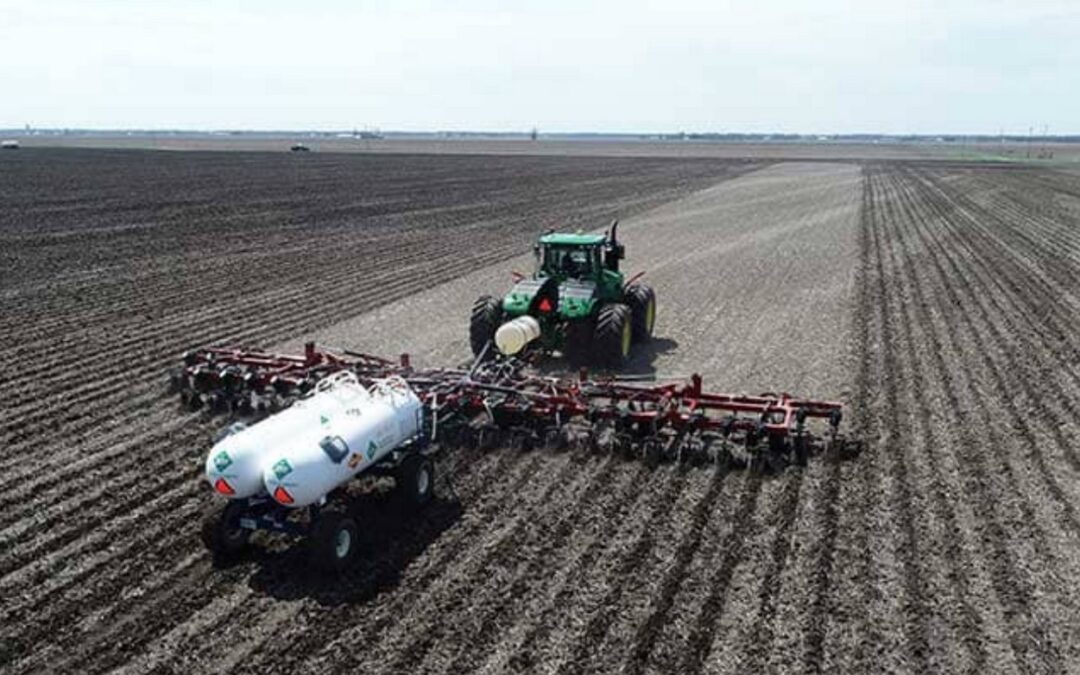
New legal action could put an end to the practice of spreading toxic sewage sludge on US cropland as a cheap alternative to fertilizer, and force America to rethink how it disposes of its industrial and human waste. A notice of intent…
Our fifth annual Water Research Roundup featured emerging researchers Bridget McGlynn, Christiana Onabola, and Ella Martindale. They spoke on topics ranging from how governance systems align with the environmental challenges they are trying to address, to how the... Read more
I’m writing today to express my disappointment and concerns about the recent CRD Open House on biosolids. Since the hosts opted to hide the number of participants, and since cameras, mikes and even the “chat” sidebar were disabled for participants, it was impossible... Read more
Would you knowingly eat food, drink water or breathe air that contains toxic chemicals and microplastics linked to cancer that are contained in sewage sludge from Victoria, BC’s wastewater treatment plant? Right now, forever chemicals, which true to their name last... Read more
As far back as 1964, Paul Sears, an eminent American ecologist and former chair of the graduate program in Conservation at Yale University, described ecology as “a subversive subject” and asked “if taken seriously as an instrument for the long-run welfare of mankind…
What do you want the BC government to do about trees and old growth forests? This Wednesday, Jan. 31st is the final deadline for the public to contribute input on the Draft BC Biodiversity and Ecosystem Health Framework. Your voice matters! Creatively United invites... Read more
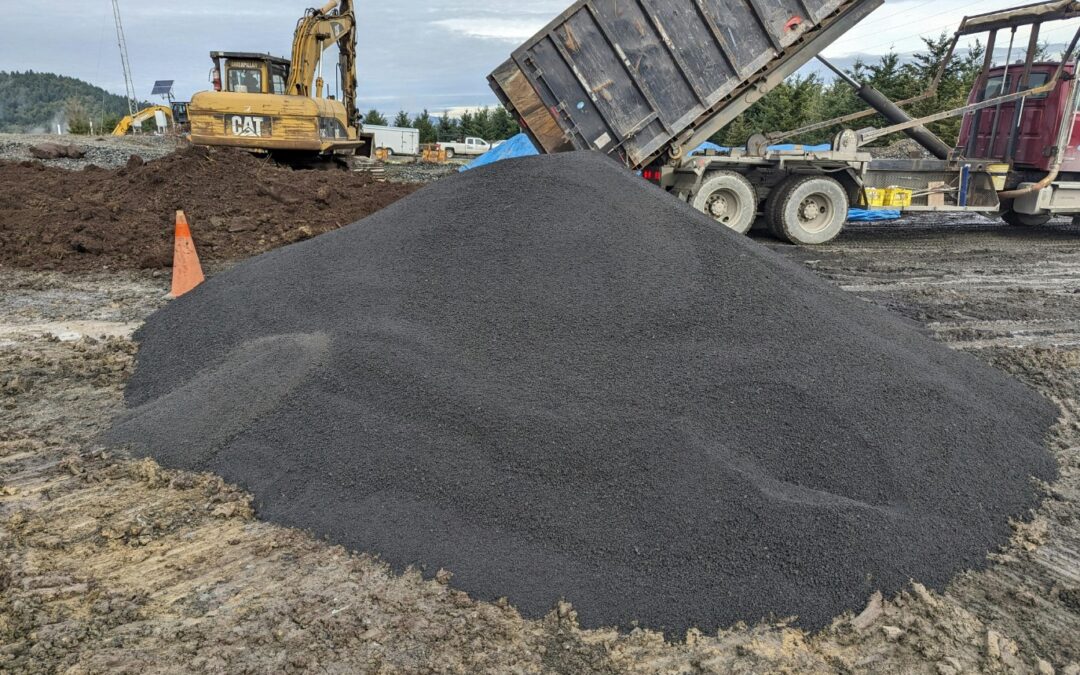
The CRD wastewater treatment plant located at McLoughlin Point in Esquimalt produces 10 tonnes of biosolids every day. These biosolids are the residual waste products which are piped to the Hartland Landfill where they are treated into a pellet. The BC Ministry of... Read more
Dear Chair Plant, CRD Board and Senior CRD Staff, It is with great concern that I write you today regarding the recently launched public consultation on the long term biosolids management plan found at: https://getinvolved.crd.bc.ca/biosolids. To provide a bit of... Read more
Canada Lays out Plan to Phase out Sales of Gas-Powered Cars, Trucks by 2035 From CBC: New regulations being published this week by Environment Minister Steven Guilbeault will effectively end sales of new passenger vehicles powered only by gasoline or diesel in 2035.... Read more
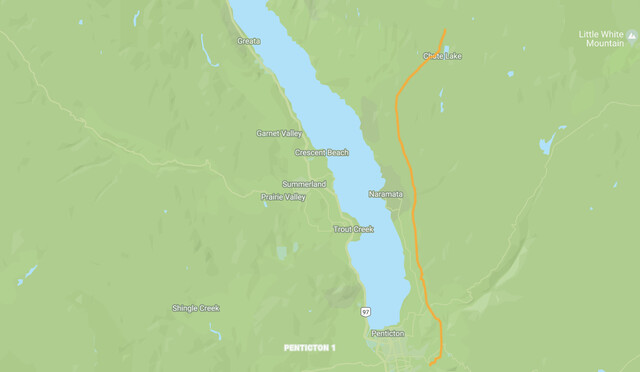
An upgrade to FortisBC’s natural gas pipeline network in the Okanagan has been rejected by the BC Utilities Commission. The Okanagan Capacity Upgrade project would have included about 30 kilometres of new pipeline between Chute Lake and Penticton.
The end of the year is always a time for reflection, but more so this past year, which has been significant for me in four key ways. First and foremost, I turned 75. That’s three-quarters of a century, and that’s given me pause for thought — I really am getting old!
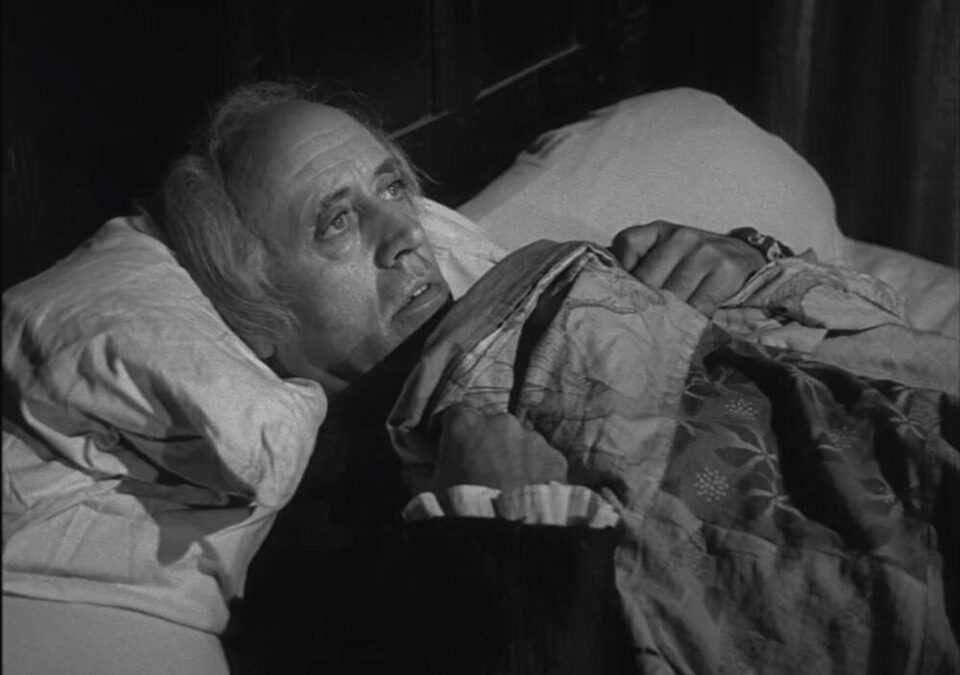
It’s that time of year, when Charles Dickens’ story of Ebenezer Scrooge and the Cratchit family is everywhere. But it’s not just a charming story of how a mean old curmudgeon sees the light and becomes a kindly old gent and a generous benefactor to his employee, Bob Cratchit.
It all started with a blank slate. Or, in this case, an empty patch of soil beside a park. As a research lead with Seedlings Forest Education, an organization in Victoria, BC that facilitates nature-based learning for children, it was my job to help the leadership... Read more
Amnesty Canada has just issued a research report that documents and condemns a years-long campaign of violence, harassment, and racial discrimination inflicted upon the Wet’suwet’en Nation in British Columbia (B.C.). The land defenders at today’s press conference have... Read more
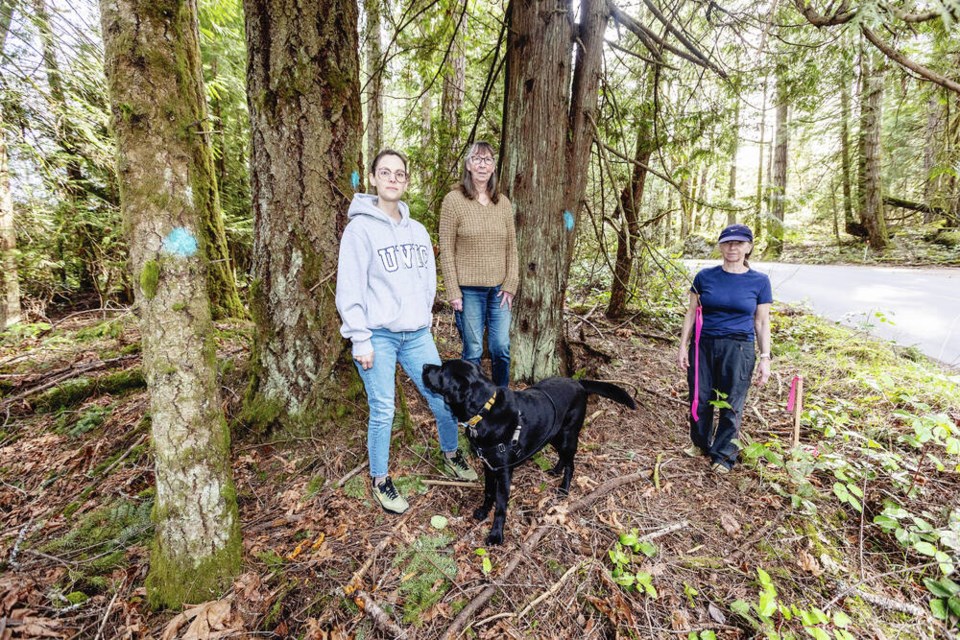
Saanich will once again be asking B.C. Hydro to justify its plan to cut hundreds of trees near Prospect Lake to make way for upgraded high-voltage power lines. Mayor Dean Murdock plans to send a second letter to the utility asking for an update on the project…
While biological wastes and materials going to landfill or recycling are accounted for, “Toxics and pollutants released from the human economy that cannot in any way be absorbed or broken down by biological processes … cannot be directly assigned an Ecological Footprint,” notes the Global Footprint Network.
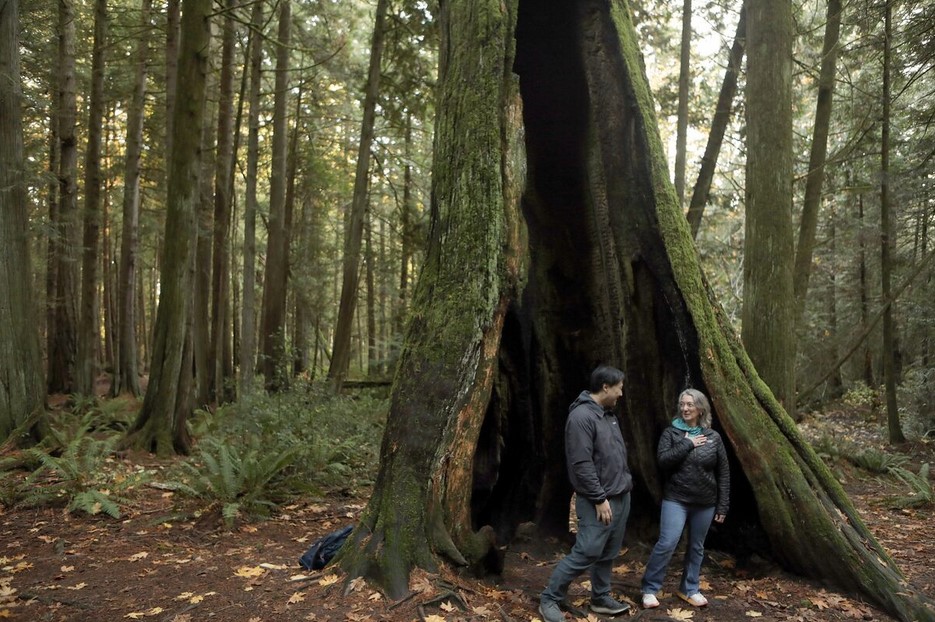
Backed by a $15.2-million commitment from the federal government, a First Nations community on the west coast of Vancouver Island intends to buy out forestry tenures to stop old-growth logging in selected watersheds around Nootka Sound.
WHAT IS COP28? COP is attended by industry stakeholders, politicians, researchers and scholars, Indigenous stakeholders, NGOs and other members of civil society. However, these groups are not given the same representation and privileges at COP events and negotiations.... Read more
mportant though the ecological footprint is, the way it is calculated means the estimate that Saanich’s ecological footprint is equivalent to four planets is an underestimate. That is because a lot of different activities — energy use, food growing, materials for buildings, modes of transportation, waste disposal…
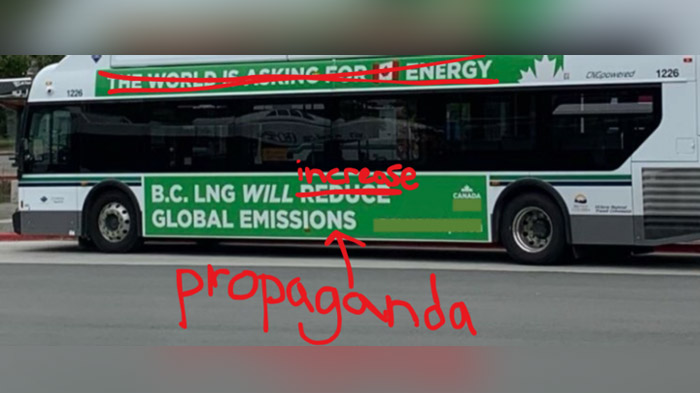
“Leadnow supporter Peter started a petition calling on BC Transit and Translink to ban fossil fuel advertisements from their buses and trains. Will you sign now to tell BC Transit and Translink to stop these greenwashing ads from plastering our cities?” There’s even... Read more
I just finished a stellar expose of the world’s most powerful global consulting firm with claims to be the most prestigious – McKinsey and Company. The book, When McKinsey Comes to Town, by New York Times journalists Walt Bogdanich and Michael Forsythe, is a... Read more
Please don’t shoot the messenger! There is a lot of supporting information that we need to know! I do not want to overwhelm you, with more information yet I feel that this information is some of what we need to know, so we will have the knowledge to be motivated to do... Read more
In 2018, the CRD established an Integrated Resource Management (IRM) committee and issued a Request for Proposals from practitioners to apply the approach to waste management throughout the Region. Despite receiving many valuable proposals, the CRD Board cancelled the... Read more
I looked at our food consumption and associated food waste, which at 24 per cent is the largest share of the ecological footprint (setting aside the 46 per cent of the ecological footprint that is due to the local activities of the provincial and federal governments)…
BC Hydro is planning to remove several hundred trees near Prospect Lake in Saanich in order to upgrade their power transmission lines. Among a number of questions that come to mind, what is Hydro’s relation to the development/real estate lobby?
As I reported last week, CHRM Consulting has just completed an updated report on the ecological footprint of Saanich, which is available on the District of Saanich website. The report found Saanich’s footprint was equivalent to four planets’ worth…
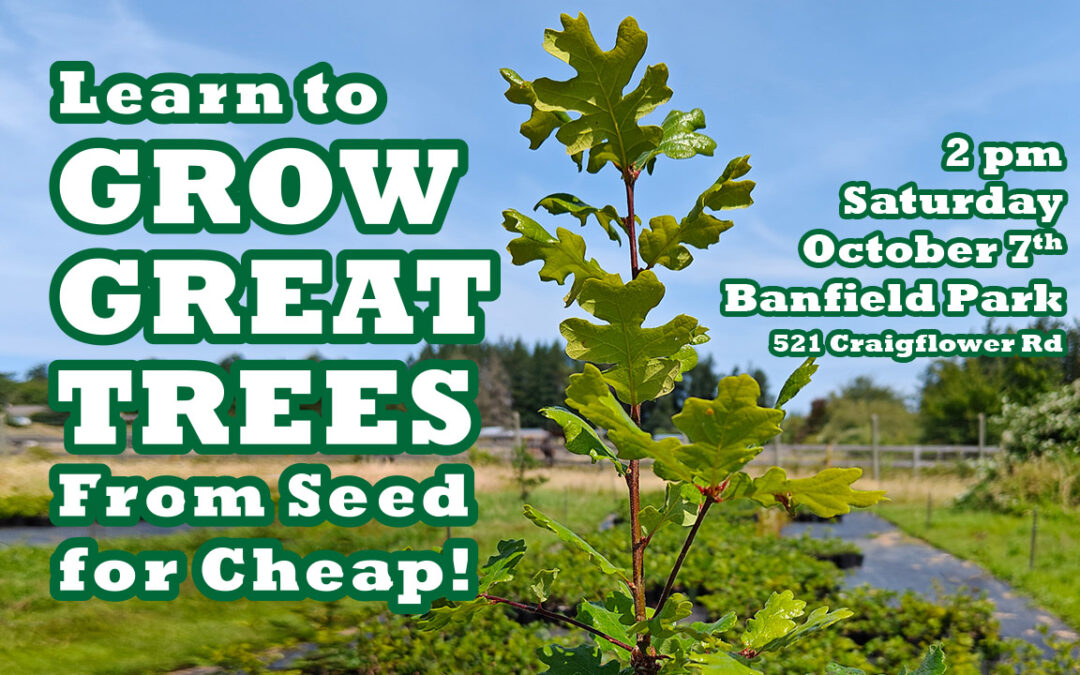
Learn how to propagate and plant native Pacific northwest trees from seed — save money and get stronger, healthier, more resilient trees! A great way to create stock for eco-restoration or wetland projects. Or offer to donate the seedlings to your local... Read more
Our planet no longer has the privilege of supporting war- the waste, the proliferation of exploded armaments, the damage to infrastructure. War in 2023 should be illegal from a planetary safety point of view. The world should not allow War to destroy the fragile... Read more
A powerful message on protecting BC’s last remaining old growth forests (and biodiversity), featuring Elder Bill Jones. (…with a working link to a 5 min video of the ‘Protest Art’ Exhibit/Event at Metchosin School, Sep. 28.) Feel free to... Read more
That should have been been obvious all along, but never more so than since 1972, when two key books — Only One Earth and The Limits to Growth — were published for the First UN Conference on the Environment in Stockholm…
Please join us for a very important demonstration in Sidney! ParksCanada is embarking on a $6 million project to kill all the Fallow and native Black-tailed deer on Sidney Island by helicopter and using dogs. This is a cruel and unnecessary cull.
I first came across Joe Brewer’s work some years ago in an article he wrote critiquing the failure of universities to address in a comprehensive manner the complex ecological, social and cultural challenges we face. He began his 2017 article “Why Are Universities Failing Humanity?” with this statement…
I have spent the last couple of months exploring the global polycrisis and the set of responses — great turnarounds — proposed in the Earth For All report. But what, you might reasonably ask, does this all mean for us here in the Greater Victoria region? How can its concepts be translated into local action?
Join professional arborist and commercial and non-profit tree grower, Ryan Senechal, and the Community Trees Matter Network for this fun, practical workshop! Learn where and when to gather seed or cuttings (now is a good time), propagation basics, container culture,... Read more
Last month, a Leger poll showed only six per cent of Canadians blame the country’s onerous housing costs on municipalities. As local government, we must remember we are the most powerful level of government for affordability and environmental sustainability because of... Read more
In 2019, a major step forward for climate leadership was taken by the Township of Esquimalt Council with potential far reaching outcomes for Canadians. A report was commissioned to explore the feasibility of thermally converting municipal solid waste( garbage) into... Read more
The first three of the five “great turnarounds” in the Club of Rome’s “Earth for All” report address different aspects of inequality. But the final two, to which I now turn, are concerned with two of the most fundamental determinants of our health: food and — next week — energy.
We are an organization of concerned community members and scientists who have recently filed an Action in the Supreme Court of British Columbia to save the Marbled Murrelet (MaMu) and its nesting habitat, Old Growth trees.
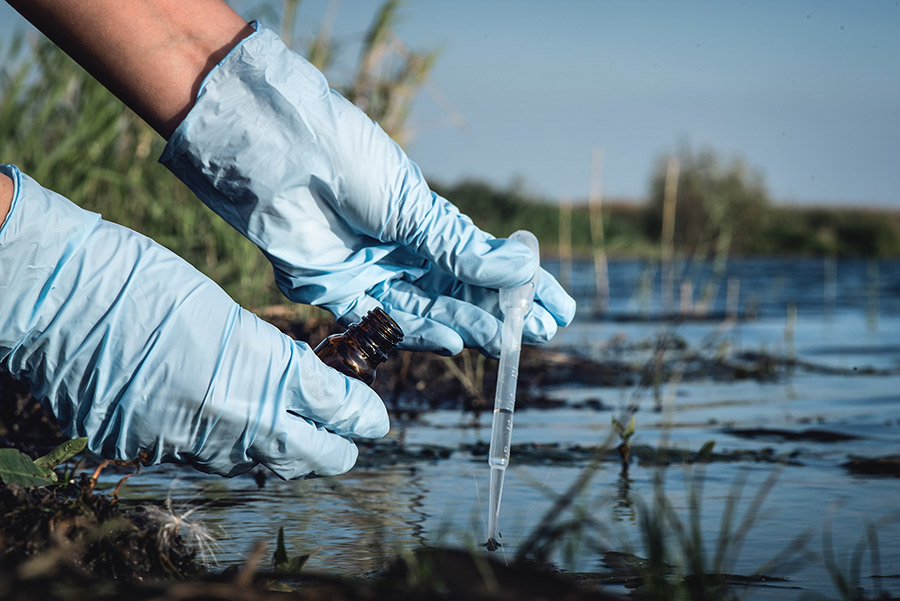
Biosolids are the dried residual of sewage sludge generated from a waste water treatment plant, such as McLoughlin Point in Esquimalt, BC. Biosolids contain toxic chemicals and micro plastics which do not break down in the environment – hence their name, ‘forever... Read more
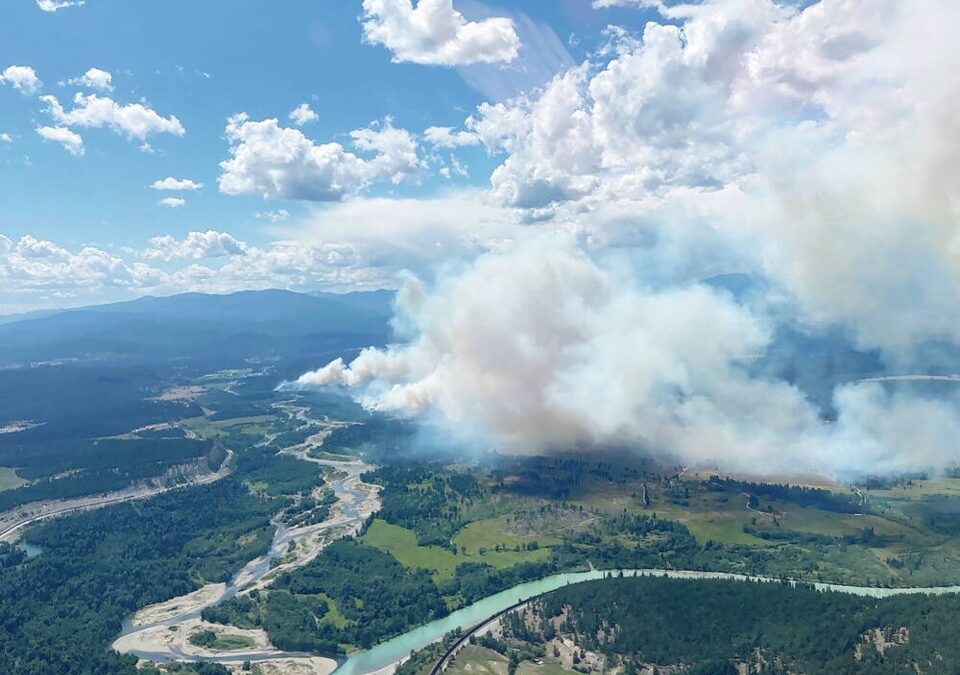
Eby Fiddles While BC Burns BC is on fire and you, Premier Eby, are busy fiddling while our forests burn. Your commitment to protect old-growth forest has gone up in flames just like 1.5 million hectares already burned this season. With more than 1,200 fires since... Read more
You may have seen the news about devastating wildfires raging in Hawaii right now, with one town (Lahaina) being burnt down almost entirely. With wildfires happening across Canada this summer, displacing people in BC, Alberta and Nova Scotia, it’s hard to not feel... Read more
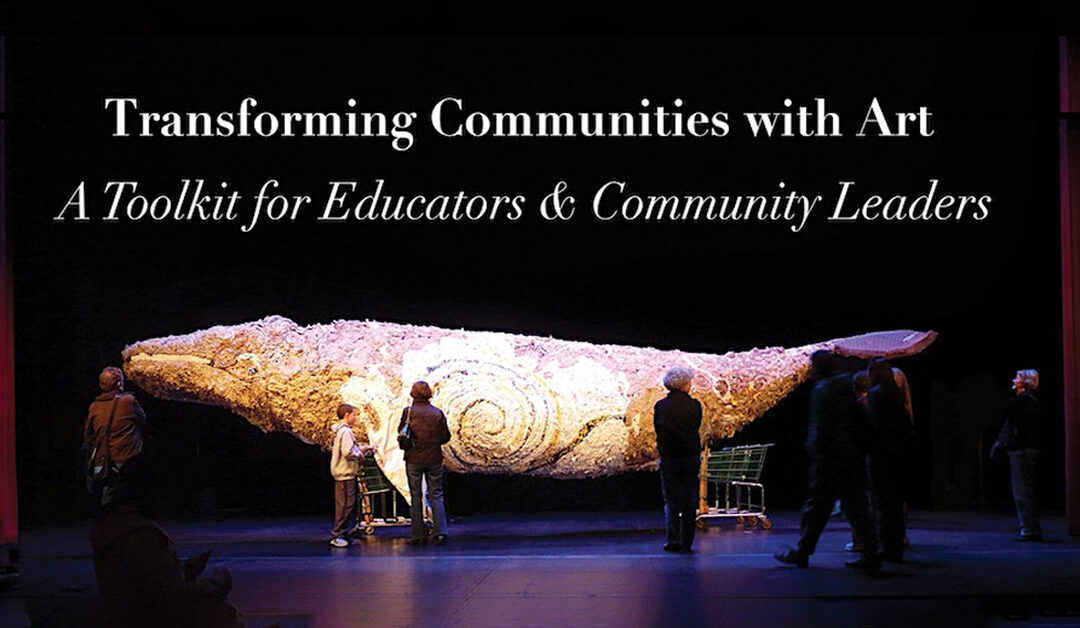
This Masterclass explores the transformative power of art and how it can create change in your school, community, city, and beyond! Are you struggling to create real impact in the communities you serve? In this free 3-day virtual workshop we will give you the tools... Read more
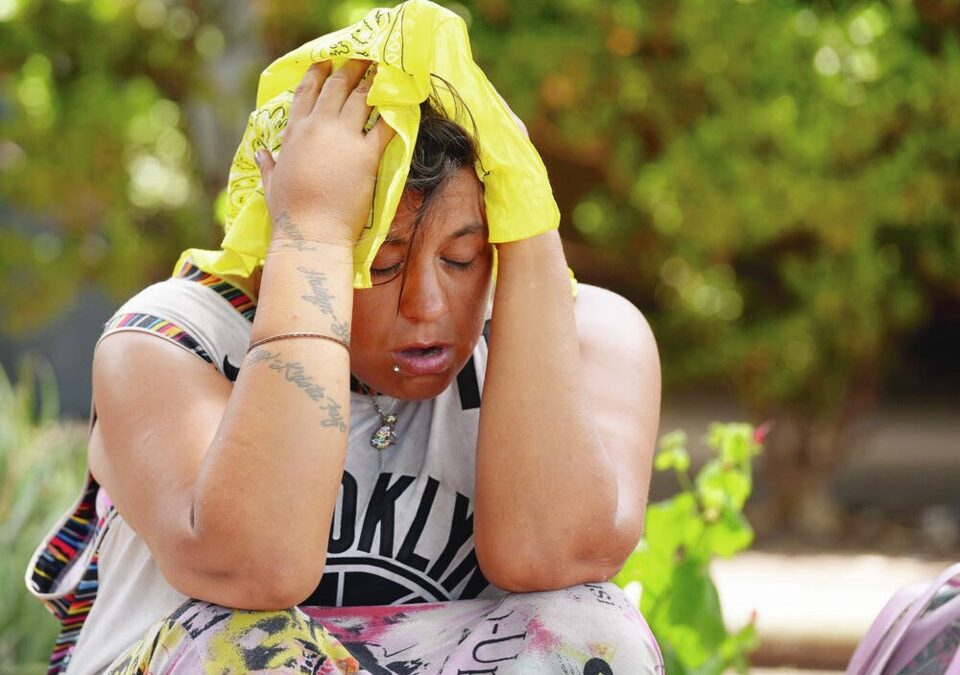
Residents throughout BC were recently asked to start conserving water. Bowinn Ma, our new minister of emergency management and climate readiness, said water supply is already extremely low in much of the province. All of Vancouver Island is now at Drought Level 5, the... Read more
My recent columns have emphasised that we urgently need a rapid transformation of the major systems that make up society and underpin today’s dominant culture. Not only will this transformation protect the Earth systems we depend upon for our wellbeing, indeed our very survival, it will lead to improved wellbeing and quality of life.
What does it mean? What can you do about it? What does it mean? Earth overshoot day is the calculated (world bio capacity divided by world’s ecological footprint) calendar date representing the point in a given year when we’ve used up all of the natural resources that... Read more
The polycrisis, according to the UN and Cascade Institute, includes the climate crisis, war, extreme economic inequality, financial system instability, ideological extremism, pernicious social impacts of digitalization, cyber attacks, mounting social and political unrest, large-scale forced migrations and an escalating danger of nuclear war…
A 2009 publication by Johan Rockstrom and his colleagues at the Stockholm Resilience Centre identified a number of key Earth systems fundamental to natural processes and human wellbeing, and “thresholds which, if crossed, could generate unacceptable environmental change” were identified.
More than a decade ago, a group of Earth system scientists developed the concept of planetary boundaries. They identified a set of a dozen or so Earth systems and proposed thresholds for each system beyond which it was likely that the system’s stability and resilience would be compromised.